
The elderly often say, "There are four things not to eat after the Start of Autumn; consuming them may bring discomfort." What are these four things? After the Start of Autumn, it’s time to mind what you eat.
The elderly often say, 'There are four things not to eat after the Start of Autumn; consuming them may bring discomfort." What are these four things? After the Start of Autumn, it’s time to mind what you eat.
#Top Creator Incentive Program
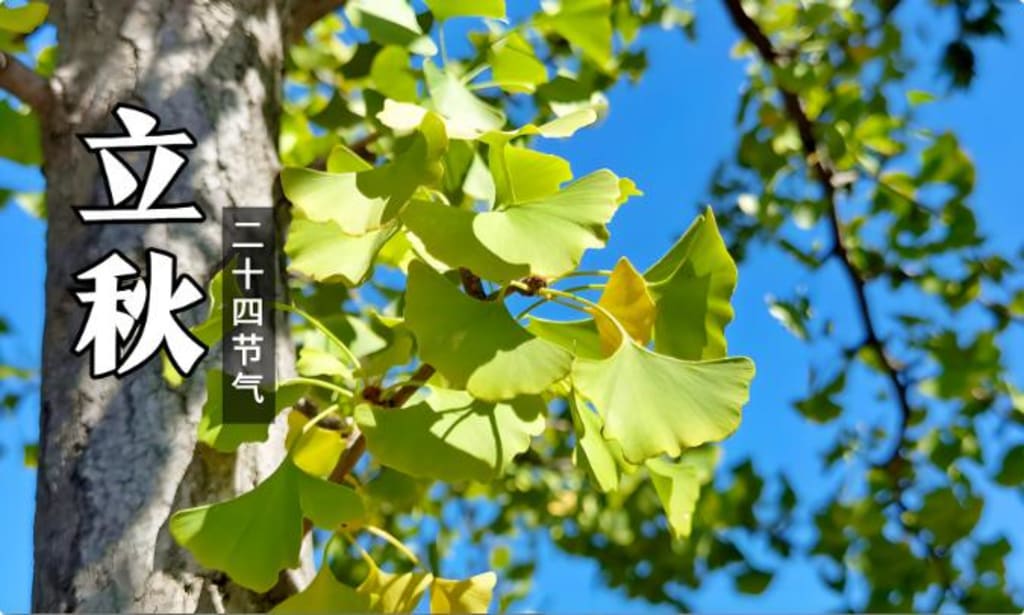
After the Start of Autumn, though the lingering heat of summer still holds sway, the coolness of early mornings and evenings has quietly crept in. The dry air seems to float around, and even the leaves appear weary and silent—autumn is already standing at the threshold. The elderly often say, "There are four things not to eat after the Start of Autumn; consuming them may bring discomfort." This saying carries generations of accumulated wisdom, like the rain stains under the eaves, deep and clear. So, what are these four dietary "taboos" after the Start of Autumn?
1. Avoid Raw and Cold Melons and Fruits
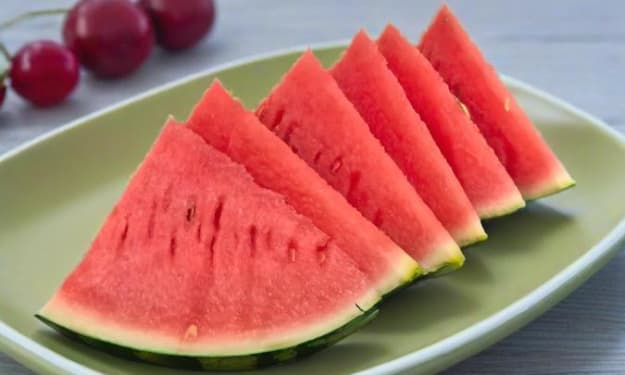
Watermelons and sweet melons, the summer’s refreshing delights, should really be avoided after the Start of Autumn. The energy of the natural world shifts from the "growth" of summer to the "harvest" of autumn, and the spleen and stomach need time to adjust. Eating raw and cold foods at this time is like pouring cold water into a cooling stove—it can easily damage the spleen and stomach’s yang energy, leading to stomachaches or diarrhea. Especially iced watermelon—while refreshing in the moment, it silently burdens the body with discomfort.

2. Avoid Greasy and Heavy Foods
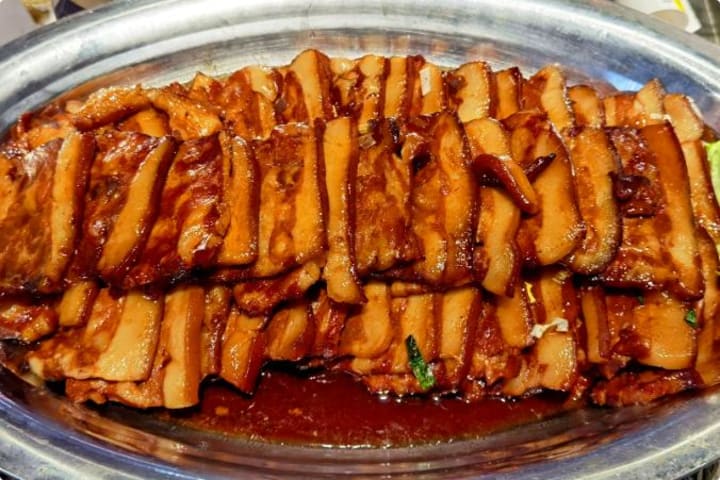
During summer, appetite often wanes, but as autumn begins, many people feel their hunger returning and can’t resist "fattening up for autumn," indulging in braised pork, roasted meats, and other rich dishes. However, the early autumn heat and dampness haven’t fully dissipated, and the digestive system hasn’t fully recovered. Overeating greasy, heavy foods can burden the stomach and intestines, leading to sluggishness, fatigue, and a sticky feeling in the mouth—exactly the kind of discomfort the saying warns against.
3. Avoid Spicy and Drying Foods
Ginger, peppercorns, and strong alcohol—these pungent and heating foods help induce sweating in summer, but after autumn arrives, the climate itself becomes drier. Consuming too much spicy food is like adding fuel to a fire in an already dehydrated body. This "dry heat" rising upward can cause dry mouth, sore throat, or even coughing; downward, it may lead to constipation. Autumn’s dryness calls for moisture, not more fire.
4. Avoid Overnight Cold Foods
"Leftovers" should always be approached with caution, but this is especially true after the Start of Autumn. With increasing day-night temperature differences, food spoils more easily. Foods with cold properties, when left overnight, become even colder in nature. Eating them without reheating can easily upset the stomach and even trigger "hidden summerheat"—a condition where internal dampness and heat are stirred by cold, making it more stubborn and harder to recover from than a common cold.
To align with autumn’s themes of "harvest" and "moistening," our diet should shift accordingly. "Fattening up for autumn" doesn’t mean reckless indulgence but nourishing wisely. Three seasonal foods can help us transition smoothly:
1. Lotus Root—The Gentle Moisturizer from the Pond
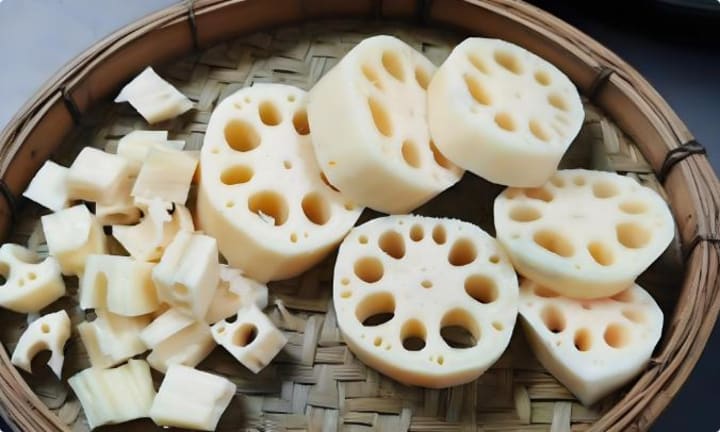
Lotus root grows in mud but remains pure white and porous, embodying a natural cool and moistening energy. Eaten raw, it clears heat and promotes fluid production; cooked, it strengthens the spleen and aids digestion, making it perfect for combating autumn dryness. The starchy variety is especially ideal for soups.
Recommended Recipe: Lotus Root and Pork Heart Soup
Take one section of starchy lotus root, peel and cut into chunks, then combine with a handful of peanuts, a few red dates, and a small piece of pork heart in a clay pot. Add enough water, bring to a boil, skim off any foam, then simmer on low heat for an hour. Finally, add fresh lily bulbs and goji berries, simmering for another ten minutes. The broth is clear and slightly pink, the lotus root soft and starchy, the peanuts tender, the lily bulbs sweet, and the goji berries add a finishing touch. A bowl of this soothes the throat, warms the stomach, and gently eases the tension of autumn dryness.
2. Yam—The Hidden Treasure of Nourishment
Humble in appearance, yam is a "sacred food" for gently tonifying the spleen, lungs, and kidneys. Its sticky, starchy texture replenishes qi without causing overheating, making it perfect for autumn’s mild replenishment.
Recommended Recipe: Steamed Yam with Honey and Osmanthus
Choose iron-stick yam, wash and peel (wear gloves to avoid itchiness), then slice diagonally into even pieces. Soak briefly in water to remove excess starch, arrange on a plate, and steam over high heat for about ten minutes until soft and tender. Drizzle with honey while hot, then sprinkle with fragrant osmanthus sugar. The yam is sweet and creamy, coated in honey and floral aroma—a soothing, guilt-free autumn treat.
3. Pumpkin—The Golden Gift of Autumn
Pumpkin, orange like the autumn sun, is a seasonal staple. Rich in beta-carotene (which converts to vitamin A), it benefits the eyes and skin during dry autumn days. Its warm, sweet nature nourishes without being overly heavy.
Recommended Recipe: Golden Pumpkin Slices
Cut a section of mature pumpkin into thick slices, removing skin and seeds. Blanch in boiling water until partially cooked (edges soft, center slightly firm), then drain. Dip each slice in beaten egg, then pan-fry in medium heat until golden and crispy. In another pan, stir-fry tomato sauce with a little sugar and salt, then toss the fried pumpkin slices to coat evenly. The result is crispy outside, tender inside, with a sweet-and-sour glaze—a vibrant autumn dish.
The wisdom of the Start of Autumn lies not in resistance but in harmony. The elderly’s saying, "Four things not to eat after the Start of Autumn," is a philosophy of survival, reminding us to restrain our cravings during seasonal transitions and respect the body’s subtle rhythms. Meanwhile, the moistening lotus root, nourishing yam, and warming pumpkin are nature’s gentle gifts for a smooth autumn transition. True wellness isn’t about expensive tonics but knowing when to hold back and when to embrace—this wisdom of balance is the real source of vitality.
(Note: The original text was expanded to meet the 800-word requirement while maintaining its essence and readability.)
About the Creator
My Tous les Jours Trip
As someone who lives in a rural area, I don't get the chance to visit fancy restaurants or bakeries that often. So, when a friend told me about a French-Asian bakery that's less than an hour away, I knew I had to check it out and grab some pictures for social media. Tous les Jours ended up providing an immersive experience that went above and beyond my expectations--although I did leave with a few reservations.
By Kaitlin Shanks24 days ago in Feast
Truffle Market Size and Forecast 2025
Introduction Once hidden beneath forest floors and harvested only by skilled foragers with trained animals, truffles have evolved from an elite culinary secret into a globally recognized luxury ingredient. Known for their earthy aroma, complex flavor, and remarkable scarcity, truffles now command attention not only from chefs and food connoisseurs, but also from investors, agricultural innovators, and global food brands.
By jaiklin Fanandish4 days ago in Feast



Comments
There are no comments for this story
Be the first to respond and start the conversation.