
The Clover Club Recipe
A Classic Cocktail with a Rich History and Timeless Appeal

Ingredients:
2 oz gin
1 oz fresh lemon juice
1/2 oz raspberry syrup (or fresh raspberries and simple syrup)
1/4 oz grenadine (optional, for extra color and sweetness)
1 egg white (for foam)
Ice
Fresh raspberries (for garnish)
Lemon twist (for garnish)
>>FULL DIRECTIONS FOR PREPARATION<<
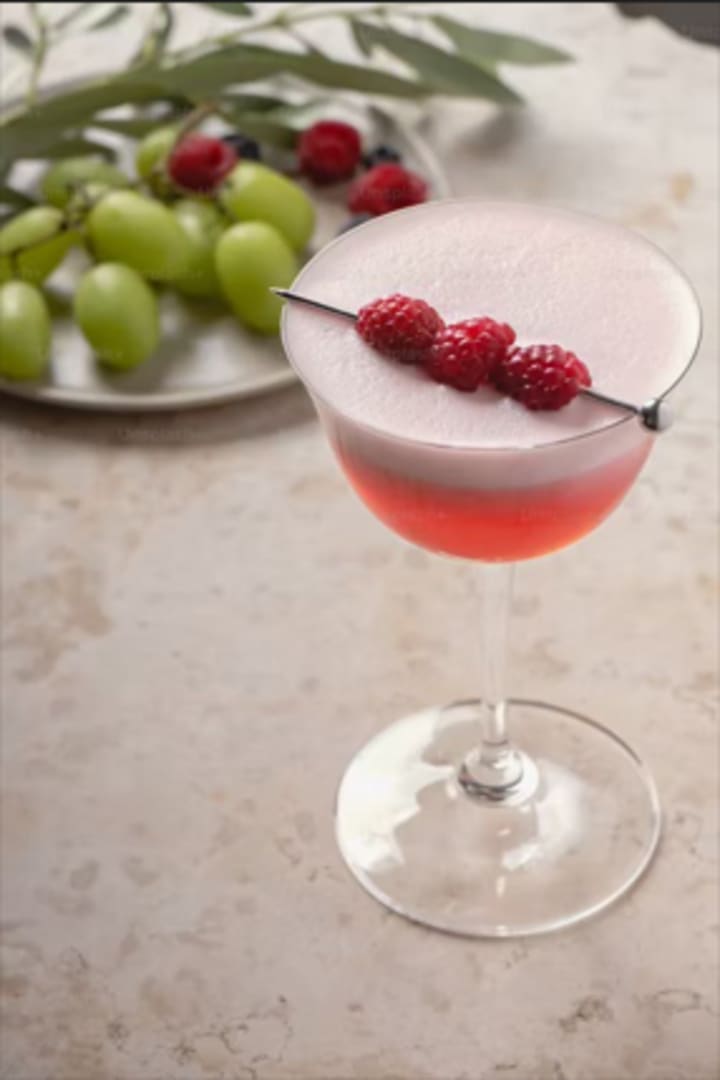
The world of cocktails is rich with history and tradition, but few drinks carry as much allure and sophistication as the Clover Club. This iconic cocktail has roots that stretch back to the late 19th century, originating in Philadelphia before rising to prominence in the early 20th century. Known for its refreshing combination of gin, lemon juice, raspberry syrup, and egg white, the Clover Club has earned its place in the pantheon of classic drinks. This article will explore the origins, ingredients, preparation, and cultural significance of the Clover Club, highlighting why it remains a beloved choice for cocktail enthusiasts.
The Origins of the Clover Club Cocktail
The Clover Club cocktail was born in Philadelphia around 1882. It is named after a gentlemen’s club in the city, the Clover Club, which was known for its exclusive membership and refined social gatherings. The club was a place where Philadelphia’s elite could meet, drink, and discuss various matters, and it is from this institution that the cocktail gets its name.
Initially, the Clover Club cocktail wasn’t as well-known as it is today. It was a drink reserved for the club’s members, often enjoyed during their social events. However, as with many classic cocktails, the Clover Club eventually found its way out of the club’s exclusive walls and into public bars. Its rise to prominence can be traced to the early 20th century when it began appearing in cocktail books and on drink menus in bars across the United States.
The drink’s revival came during the craft cocktail movement in the 21st century, a time when bartenders and cocktail enthusiasts sought to rediscover and revive the cocktails of the past. Today, the Clover Club is celebrated as a timeless classic, beloved by both cocktail connoisseurs and casual drinkers alike.
The Ingredients of the Clover Club
The Clover Club is a relatively simple cocktail in terms of ingredients, but the balance between them is crucial to achieving the perfect drink. It combines gin, fresh lemon juice, raspberry syrup, and egg white. Let’s take a closer look at each of these components.
Gin: The Base Spirit
Gin is the backbone of the Clover Club cocktail, providing the herbal and botanical flavors that define the drink. The gin used in the Clover Club is typically a London Dry Gin, a style known for its juniper-forward flavor profile. However, some bartenders may choose other styles of gin, such as Plymouth or Old Tom, depending on the flavor profile they’re aiming for.
London Dry Gin is characterized by its clean, dry taste, which is achieved through the distillation of juniper berries along with various botanicals like coriander, angelica root, and citrus peels. The gin’s herbal notes create a crisp base that complements the tartness of the lemon juice and the sweetness of the raspberry syrup.
Fresh Lemon Juice: A Tangy Contrast
Lemon juice is the perfect counterpoint to the gin’s botanicals, providing a tart and zesty flavor that balances the drink’s sweetness. Freshly squeezed lemon juice is essential in the Clover Club, as it adds brightness and freshness to the cocktail. While bottled lemon juice may be convenient, it lacks the vibrant flavor and acidity that fresh juice brings to the table.
The acidity of lemon juice cuts through the richness of the egg white and works in harmony with the gin, creating a well-rounded, refreshing drink. The juice also helps to accentuate the raspberry syrup’s sweetness, preventing the Clover Club from becoming overly sugary.
Raspberry Syrup: Sweet and Fruity Notes
Raspberry syrup is one of the key ingredients that sets the Clover Club apart from other gin cocktails. It adds a layer of sweetness and fruitiness that perfectly complements the drink’s acidity. The raspberry flavor can be achieved either through commercial raspberry syrup or by making a homemade version using fresh raspberries and sugar.
The bright red hue of the raspberry syrup gives the Clover Club its signature color, making it as visually striking as it is flavorful. The syrup’s sweetness balances the tart lemon juice, and the fruity notes enhance the botanical qualities of the gin. The raspberry element also brings a touch of nostalgia, harkening back to the days of classic cocktails and elegant soirées.
Egg White: Creating a Silky Texture
One of the defining characteristics of the Clover Club is its frothy texture, which is achieved by using egg white. When shaken with the other ingredients, the egg white emulsifies and creates a soft, silky foam that sits atop the drink. This frothy layer adds a luxurious mouthfeel to the cocktail and elevates the overall drinking experience.
The use of egg white in cocktails was quite common during the late 19th and early 20th centuries, particularly in drinks like the Clover Club and the Ramos Gin Fizz. The egg white doesn’t impart much flavor, but it adds a smooth, creamy texture that makes the Clover Club feel more indulgent and refined.
Optional Garnishes: Raspberries and Lemon Twist
To complete the cocktail, the Clover Club is traditionally garnished with a fresh raspberry and a twist of lemon peel. The raspberry acts as a visual cue, highlighting the drink’s fruity notes, while the lemon twist adds a touch of citrus aroma that enhances the overall sensory experience.
While garnishes are optional, they play an important role in elevating the presentation of the cocktail. A well-executed garnish adds a final touch of elegance and can make the Clover Club feel like a special occasion drink.
#Clover Club
#Cocktail
#Recipe
#Party
#Gin
About the Creator
HEAVENLY_FOODIES
All your favorite recipes in one place. Preparation time, cook time, servings, yield, ingredients, direction to prepare and chef's secrets included...
Keep reading
More stories from HEAVENLY_FOODIES and writers in Feast and other communities.
The All-You-Can-Eat Buffet That Became France’s Favorite Restaurant
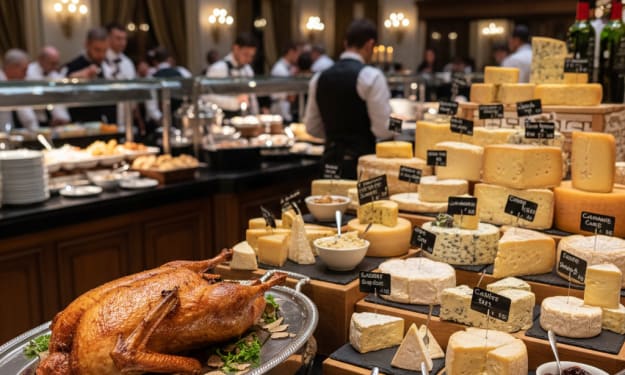
France's highest-grossing restaurant is not a storied Parisian bistro with three Michelin stars. It is not a Riviera hotspot with celebrity clientele. It is Les Grands Buffets, an all-you-can-eat temple of gastronomy on the outskirts of Narbonne, a modest city of 56,000 near the Spanish border.
By Kenneth Ethan Carl4 days ago in Feast
From Ocean to Plate: How Farmed Salmon Is Redefining Seafood
You are currently located in the seafood aisle because you are looking at a properly packaged salmon fillet. The product appears to have reached its ultimate state of excellence. The product appears to be exceptionally flawless. The product appears to be exceptionally flawless. The product appears to be exceptionally flawless. Your mind begins to question the actual source of this item.
By Sonpal Singhabout 7 hours ago in Feast



Comments
There are no comments for this story
Be the first to respond and start the conversation.