
The Biggest Mistakes When Stir-Frying Green Beans: Blanching or Frying Directly. Here’s the Right Way to Keep Them Crisp, Tender, and Vibrant Green
The Biggest Mistakes When Stir-Frying Green Beans: Blanching or Frying Directly. Here’s the Right Way to Keep Them Crisp, Tender, and Vibrant Green
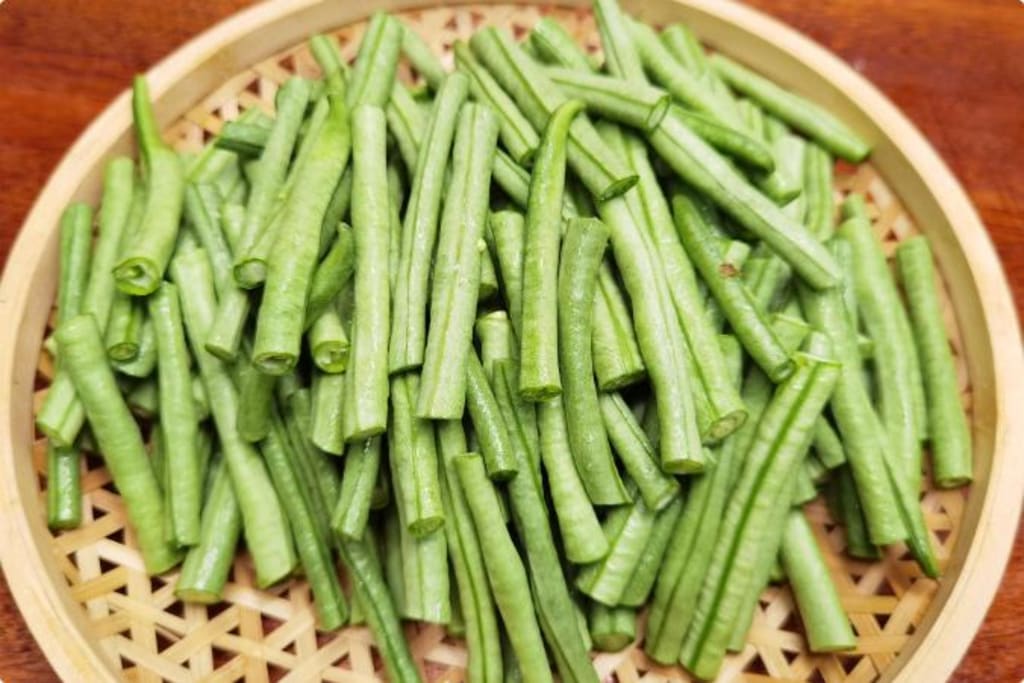
The scorching heat of July, the relentless chirping of cicadas—nothing livens up a summer garden quite like the cascading vines of green beans. Their slender, emerald-green pods peek through dense foliage like nature’s brightest brushstrokes against the summer canvas. When I spent summers at my grandmother’s house as a child, she’d point at the abundant bean vines and cheerfully say, "Heaven’s ‘long-life vegetables’ are here—better catch ’em right!" Only now do I understand the hidden treasures in these humble "long-life vegetables"—protein, dietary fiber, vitamin C, potassium, magnesium… Their unassuming green forms quietly nourish our bodies, from stomach to bones.
When green beans make it to the dinner table, their most homely and satisfying destiny is a fiery wok rendezvous with slices of pork. Yet this seemingly simple stir-fry trips up many home cooks—beans turn out either stubbornly undercooked and tough, or mushy, yellowed, and lifeless, while the pork ends up dry and chewy. Where does it all go wrong? The key lies in the step before the beans even hit the pan!
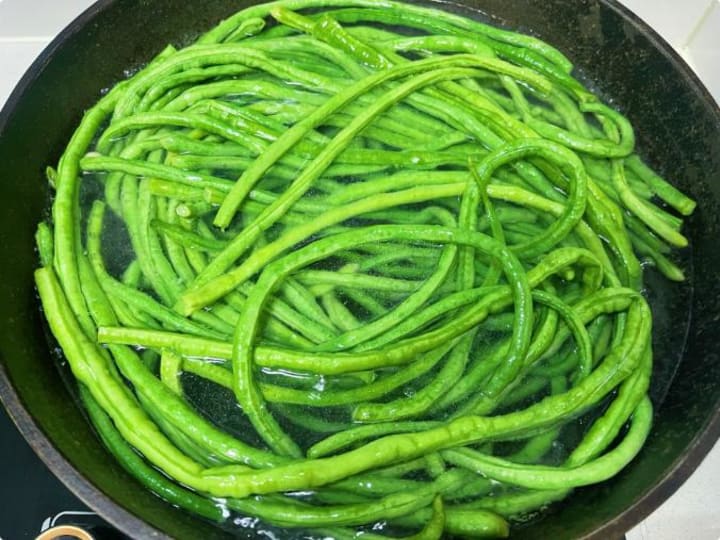
Many cooks blanch green beans—plunging them into boiling water before stir-frying. While this removes their raw edge, the scalding water also strips away delicate vitamin C and chlorophyll, turning crisp beans limp and dulling their vibrant green. Then there’s the reckless "toss-’em-straight-into-the-wok" camp. Green beans are stubborn; they demand prolonged cooking to soften, by which time the pork has turned into jerky and the pan is a scorched mess. A double tragedy for good ingredients!
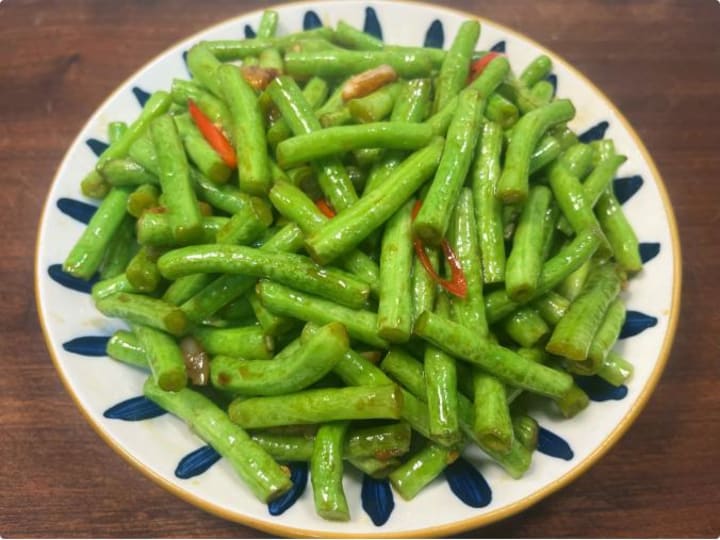
The secret? After washing and trimming the beans, cut them into inch-long sections—then steam them for just 5 minutes before stir-frying. No blanching, no direct frying. Spread the beans evenly in a steamer basket over boiling water. Through the rising steam, you’ll see their green intensify, locked in by the gentle heat. The moment the timer rings, remove them: the beans are now pliant yet still upright, their crisp-tender texture and bright hue perfectly preserved. This brief steam bath is the soul of a flawless stir-fry.
With properly steamed beans, you’re already 90% of the way to a dazzling dish. Here’s how to nail it:
1. Prep: Slice pork tenderloin into strips, then marinate with a splash of Shaoxing wine, light soy sauce, a dash of dark soy for color, a teaspoon of cornstarch (for tenderness), and a drizzle of oil to seal in moisture. Let sit for 10 minutes. Keep the steamed beans ready, along with minced garlic, ginger strips, and dried chilies (optional for heat).
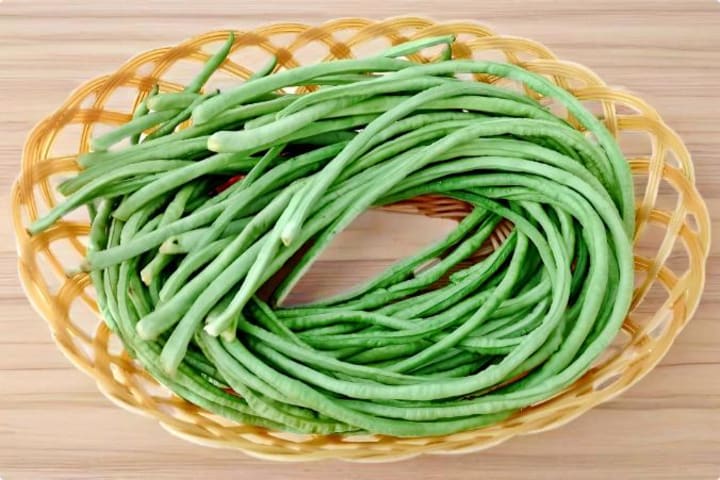
2. Sear the pork: Heat a wok until smoking, add slightly more oil than usual (to prevent sticking), then stir-fry the pork over medium-high heat just until it loses its pinkness—remove immediately. The pork’s succulence hinges on this speed.
3. Aromatics & beans: In the same wok, sauté garlic, ginger, and chilies in the remaining oil until fragrant. Crank up the heat, add the steamed beans, and toss vigorously for ~1 minute to coat them in the infused oil.
4. Reunite: Return the pork to the wok. Drizzle with light soy sauce, oyster sauce, a pinch of salt, and a whisper of sugar (to balance any astringency). Stir-fry another minute—the beans are already tender, and the pork cooks fast. Efficiency is key!
5. Finishing touches: Just before plating, splash a teaspoon of vinegar down the wok’s hot sides (the heat burns off acidity, leaving only aroma). Toss in a final handful of minced garlic, give it one fierce stir to unleash a fragrant explosion, then serve immediately.
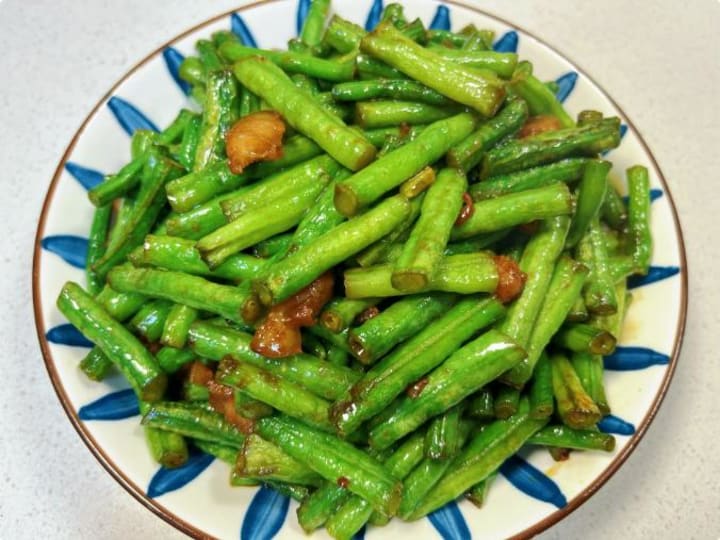
Behold: each bean glistens, greener than a fresh-picked pod. Bite into one—lightly charred outside, sweet and juicy within. The pork, infused with bean fragrance and savory sauce, stays silky without a hint of dryness. Together, they create summer’s most irresistible harmony: rich umami wrapped around vegetal sweetness, garlic and wok breath rising in an irresistible cloud. No wonder my dad always says, "These beans taste better than the meat!" Pair this dish with rice, and you’ll crave three bowls—it’s the ultimate cure for summer appetite slumps.
Bonus Tips:
• Choosing beans: Opt for firm, unblemished pods with a audible "snap" when bent. Older beans with visible bulging seeds need longer cooking.
• Why steam? Unlike boiling, steaming preserves water-soluble nutrients (like vitamin C) and antioxidants that leach out in water.
• Vinegar trick: A splash of acidity (rice vinegar or black vinegar) brightens flavors and helps the body absorb iron from the beans.
• Leftovers? Refrigerate for up to 2 days—the beans’ texture holds up remarkably well thanks to the steaming step.
Science bit: Green beans contain lectins (natural toxins) that break down only when fully cooked. Steaming ensures safety without sacrificing texture—unlike boiling, which risks uneven doneness. The Maillard reaction during stir-frying then builds complex flavors while retaining that coveted crunch.
Now, armed with this method, you’ll never dread limp, sad beans again—just crisp, restaurant-worthy stir-fries that’ll make even the meat jealous.
About the Creator
My Tous les Jours Trip
As someone who lives in a rural area, I don't get the chance to visit fancy restaurants or bakeries that often. So, when a friend told me about a French-Asian bakery that's less than an hour away, I knew I had to check it out and grab some pictures for social media. Tous les Jours ended up providing an immersive experience that went above and beyond my expectations--although I did leave with a few reservations.
By Kaitlin Shanks24 days ago in Feast
Guide to Choosing the Best Essential Kitchen Knives
Have you ever stood at the counter, staring at a pile of vegetables, wondering which knife would actually make the job easier? Many people assume they need a massive knife block filled with matching blades to cook well, but that’s rarely true.
By Chris Jones7 days ago in Feast



Comments
There are no comments for this story
Be the first to respond and start the conversation.