
The best wines to pair with dinner
Experimenting with different combinations, being open to new experiences, and trusting your own palate are key to finding the best wine pairings for your meals


Wine pairing is an art that can elevate a good meal to a great one. The right wine can complement and enhance the flavors of food, creating a harmonious dining experience. While personal preference always plays a role, there are some general guidelines that can help you choose the best wines to pair with your dinner.
One of the most classic wine pairings is red wine with red meat. Full-bodied reds like Cabernet Sauvignon, Malbec, or Syrah work well with hearty beef dishes. The tannins in these wines help cut through the richness of the meat, while their robust flavors stand up to the strong flavors of beef.
When it comes to poultry, white wines are often the go-to choice. A crisp Chardonnay can be excellent with roasted chicken, while a Sauvignon Blanc pairs well with lighter poultry dishes or those with herb-based sauces. The acidity in these whites helps to balance the flavors of the poultry without overpowering them.
Seafood generally calls for white wines, but the specific choice can depend on the preparation. Light, flaky fish like sole or tilapia pair well with crisp whites like Pinot Grigio or Albariño. For richer fish like salmon or tuna, you might opt for a fuller-bodied white like an oaked Chardonnay or even a light red like Pinot Noir.
Pasta dishes can pair with a variety of wines depending on their sauces. Tomato-based sauces often work well with medium-bodied reds like Chianti or Sangiovese. Cream-based pasta dishes, on the other hand, can be beautifully complemented by a buttery Chardonnay or a light, crisp Pinot Grigio.
When it comes to vegetarian meals, the wine pairing often depends on the dominant flavors and textures of the dish. Grilled vegetables might pair well with a light red like Beaujolais, while a creamy vegetable risotto could be nicely complemented by a Sauvignon Blanc or unoaked Chardonnay.
Spicy foods present a unique challenge for wine pairing. Generally, it's best to avoid high-alcohol wines as they can intensify the heat. Instead, opt for slightly sweet wines like Riesling or Gewürztraminer, which can help balance the spiciness and cool the palate.
Cheese plates offer an opportunity to explore a range of wine pairings. As a general rule, white wines pair well with soft, creamy cheeses, while red wines complement harder, aged cheeses. A versatile option for cheese plates is sparkling wine, which can pair with a variety of cheese types.
Dessert wines are specifically designed to accompany sweet dishes. Port pairs beautifully with chocolate desserts, while Sauternes can be exquisite with fruit-based desserts or foie gras. The key is to ensure that the wine is at least as sweet as the dessert to avoid the wine tasting bitter in comparison.
Rosé wines are incredibly versatile and can pair well with a wide range of foods. They're particularly good with light summer dishes, salads, and Mediterranean cuisine. A dry rosé can be an excellent choice for a meal that includes a variety of different flavors.
When serving multiple courses, consider the progression of wines. Generally, you'll want to move from lighter, crisper wines to fuller-bodied ones throughout the meal. This helps ensure that earlier wines don't overpower later ones.
Sparkling wines aren't just for celebrations. They can be excellent dinner companions, particularly for appetizers or light main courses. The bubbles and acidity in sparkling wines can cleanse the palate between bites, making them great for foods with rich or creamy sauces.
Regional pairings often work well – think about pairing wines with cuisines from the same area. For example, a Chianti with Italian food or a Rioja with Spanish tapas. These pairings have often evolved together over time and can create harmonious flavor combinations.
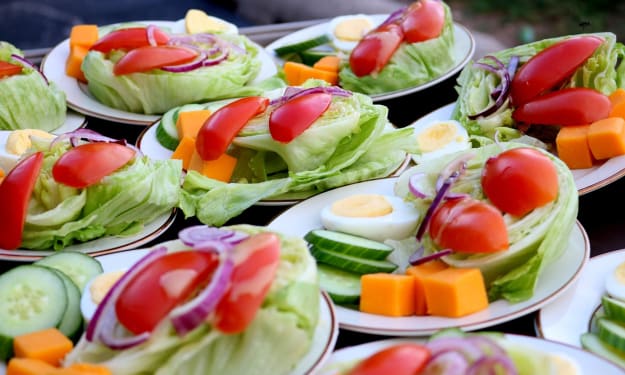
When pairing wine with salads, consider the dressing more than the greens. A vinaigrette-dressed salad might pair well with a high-acid white like Sauvignon Blanc, while a creamy dressing could call for a buttery Chardonnay.
For barbecue and grilled foods, look for wines with a bit of smokiness or oak influence. Zinfandel can be excellent with barbecue sauce, while a lightly oaked Chardonnay might complement grilled fish or chicken.
Asian cuisines can be tricky to pair with wine due to their complex flavors and often spicy profiles. Off-dry whites like Riesling or Gewürztraminer often work well, as can light reds like Pinot Noir for dishes like Peking duck.
When serving a crowd with varied tastes, consider wines that are crowd-pleasers and pair well with a variety of foods. Pinot Noir is often a good choice for red, while Sauvignon Blanc can be versatile for white.
Don't forget about fortified wines like sherry and Madeira. These can be excellent with appetizers, particularly nuts and olives. They also pair well with soups, making them a good choice for the start of a meal.
Temperature can play a crucial role in wine pairing. Generally, white wines should be served chilled and red wines at slightly below room temperature. Serving wines at the right temperature can significantly impact how they pair with food.
When in doubt about pairing, sparkling wine is often a safe bet. Its acidity and bubbles make it versatile enough to pair with a wide range of foods, from appetizers to main courses.
Consider the weight of both the food and the wine when pairing. Heavier foods generally pair better with fuller-bodied wines, while lighter dishes work well with more delicate wines. This balance helps ensure that neither the food nor the wine overpowers the other.
Don't be afraid to break traditional rules. While guidelines can be helpful, personal taste should always be the final arbiter. If you enjoy a particular combination, that's what matters most.
When pairing wine with sauces, try to match the wine's characteristics with those of the sauce. A rich, creamy sauce might pair well with a buttery Chardonnay, while a tangy tomato sauce could work nicely with a high-acid red like Sangiovese.
For holiday meals with a variety of dishes, consider wines that can complement multiple flavors. Pinot Noir can work well with both turkey and ham, while a dry Riesling can pair nicely with a range of side dishes.
When serving food with high umami flavors, like mushrooms or aged cheeses, consider wines with earthy notes. Pinot Noir or aged red Burgundy can work well here, as can certain white wines like aged Chardonnay.
Don't overlook the potential of non-alcoholic wine alternatives for those who don't drink alcohol. Many high-quality non-alcoholic wines are now available that can provide similar pairing experiences without the alcohol content.
Remember that the best wine pairing is often simply the wine you enjoy drinking. While guidelines can be helpful, they should never override personal preference. Experimenting with different combinations can be a fun way to discover new favorite pairings.
Lastly, consider the occasion and setting when choosing wines to pair with dinner. A casual weeknight meal might call for a different wine choice than a formal dinner party. The right wine can not only complement the food but also enhance the overall dining experience.
About the Creator
Keep reading
More stories from Kenneth Ethan Carl and writers in Feast and other communities.
The role of appetizers in a dinner menu
Appetizers play a crucial role in setting the tone for a meal and preparing diners for the courses to come. These small, flavorful bites serve multiple purposes beyond simply satisfying initial hunger. Understanding the importance of appetizers can help both home cooks and professional chefs create more balanced and enjoyable dining experiences.
By Kenneth Ethan Carl2 years ago in Feast
Astragalus: An Ornamental, Supportive, and Culinary Herb
Astragalus Root/Milkvetch Astragalus is a popular remedy for various ailments today. Commonly found in health food stores and herbal shops in the form of tinctures, grounded encapsulated powders, or as part of an herbal infusion, or sometimes added to teas, astragalus usually makes the list for its purported immune-system and energy-supporting benefits.
By J. Chauncey7 days ago in Feast



Comments
There are no comments for this story
Be the first to respond and start the conversation.