
The role of appetizers in a dinner menu
Appetizers are far more than just pre-dinner snacks


Appetizers play a crucial role in setting the tone for a meal and preparing diners for the courses to come. These small, flavorful bites serve multiple purposes beyond simply satisfying initial hunger. Understanding the importance of appetizers can help both home cooks and professional chefs create more balanced and enjoyable dining experiences.
One of the primary functions of appetizers is to stimulate the appetite. The term "appetizer" itself comes from the Latin word "appetere," meaning "to desire." These small dishes are designed to awaken the taste buds and create anticipation for the main course, making diners eager to continue their culinary journey.
Appetizers also serve as a social lubricant, especially at gatherings or formal dinners. They provide a focal point for conversation as guests mingle and settle in. Finger foods or small plates encourage sharing and interaction, helping to break the ice and create a convivial atmosphere before everyone sits down for the main meal.
In restaurant settings, appetizers play a strategic role in pacing the dining experience. They give the kitchen time to prepare main courses while keeping diners engaged and satisfied. This is particularly important in busy establishments where timing and flow are crucial to maintaining a smooth service.
From a culinary perspective, appetizers offer chefs an opportunity to showcase their creativity and skill. These small dishes allow for experimentation with flavors, textures, and presentations that might be too intense or complex for a larger main course. They can serve as a preview of the chef's style and the restaurant's culinary philosophy.
Nutritionally, appetizers can contribute to a more balanced meal. When chosen wisely, they can add variety to the overall nutrient profile of the dinner. For example, a vegetable-based appetizer can increase the fiber and vitamin content of a meal centered around a protein-heavy main course.
In many cultures, appetizers are an integral part of traditional dining customs. For instance, in Spanish cuisine, tapas are not just pre-dinner snacks but can form an entire meal of small, varied dishes. Understanding these cultural contexts can enhance appreciation for the role of appetizers in different culinary traditions.
Appetizers can also serve as a way to introduce diners to new flavors or ingredients. Chefs often use these small plates to feature unusual or exotic components that diners might be hesitant to commit to in a larger dish. This can broaden culinary horizons and encourage adventurous eating.
From a business perspective, appetizers are often high-profit items for restaurants. They typically have lower food costs compared to main courses but can significantly increase the overall bill. This makes them an important component of a restaurant's financial strategy.
The presentation of appetizers is crucial in setting expectations for the rest of the meal. Beautifully plated starters can create excitement and anticipation, elevating the entire dining experience. They provide the first visual impression of the meal, often influencing diners' perceptions of quality and value.
Temperature contrast is another important role that appetizers can play. Serving a chilled appetizer before a hot main course can awaken the palate and create an interesting sensory experience. This temperature variation adds another layer of complexity to the meal.
Appetizers can also serve as a buffer, helping to moderate alcohol consumption at the beginning of a meal. Light, savory bites can slow the absorption of alcohol, allowing diners to enjoy their drinks responsibly without becoming overly intoxicated before the main course arrives.
In multi-course tasting menus, appetizers set the stage for the culinary narrative. They introduce themes or ingredients that may be revisited or contrasted in later courses, creating a cohesive story throughout the meal. This thoughtful progression can elevate a dinner from a simple act of eating to a curated gastronomic experience.
For health-conscious diners, appetizers can be a strategy for portion control. Starting with a small, satisfying dish can help prevent overeating during the main course. This approach aligns with the principle of eating smaller, more frequent meals throughout the day.
Seasonal ingredients often shine in appetizers. Chefs can highlight fleeting, peak-season produce in these small dishes, ensuring that diners get to experience these flavors even if they're not featured in the main course. This emphasis on seasonality can enhance the overall freshness and quality of the meal.
Appetizers provide an opportunity for wine pairing education. Sommeliers can introduce diners to new wines or unexpected pairings with these small plates, expanding their palates and wine knowledge. This can enhance the overall dining experience and potentially increase wine sales.
In catering and event planning, appetizers play a logistical role. Passed hors d'oeuvres can keep guests satisfied during cocktail hours or delays, ensuring that everyone remains in good spirits while waiting for the main event to begin.
The texture of appetizers is another important consideration. Crispy or crunchy starters can contrast with softer main courses, providing a pleasant variety of mouthfeels throughout the meal. This textural diversity keeps the dining experience interesting and engaging.
Appetizers can also serve as a canvas for showcasing local or artisanal products. Small plates featuring locally sourced cheeses, cured meats, or produce can highlight a restaurant's commitment to supporting local producers and provide a taste of the region's culinary identity.
In some cases, appetizers function as palate cleansers. Light, refreshing bites between heavier courses can reset the taste buds and prepare diners for new flavors. This is particularly important in elaborate multi-course meals where flavor fatigue can become an issue.
For diners with dietary restrictions, appetizers offer a way to participate in the shared dining experience even if they can't eat the main course. Thoughtfully designed appetizers can cater to various dietary needs without drawing attention to these differences.
The size and portioning of appetizers play a crucial role in the overall meal structure. Too large, and they risk overshadowing the main course; too small, and they may not satisfy initial hunger. Striking the right balance is key to creating a well-paced, satisfying meal.
In family-style dining, appetizers can help manage the chaos of serving multiple dishes. By providing something for diners to nibble on immediately, they reduce the pressure to have all dishes ready simultaneously, allowing for a more relaxed and enjoyable shared meal.
Appetizers can also serve an educational purpose. Informative menu descriptions or tableside explanations of unique ingredients or preparation methods can enhance diners' culinary knowledge and appreciation for the food they're eating.
For restaurants looking to reduce food waste, appetizers can be a creative outlet for using trim or excess ingredients. Skilled chefs can repurpose components from other dishes into delicious small plates, improving sustainability and profitability.
The timing of appetizer service is crucial in maintaining the rhythm of a meal. Properly paced, they bridge the gap between being seated and receiving the main course, ensuring that diners remain engaged and satisfied throughout their time at the table.
In some dining traditions, appetizers serve as a separate course entirely. Known as the "antipasto" in Italian cuisine or "zakuski" in Russian, these elaborate spreads of small dishes are meant to be lingered over, often accompanied by drinks and conversation before the meal proper begins.
Appetizers can also reflect a restaurant's commitment to certain culinary techniques or philosophies. For example, a restaurant focused on fermentation might showcase house-made pickles or cured items as starters, giving diners a clear sense of the establishment's culinary approach.
Finally, the humble appetizer can often become a signature dish that defines a restaurant or chef. Many establishments become known for a particular starter that diners specifically seek out, turning it into a marketing tool and a draw for new customers.
About the Creator
Keep reading
More stories from Kenneth Ethan Carl and writers in Feast and other communities.
Romantic dinner ideas for couples
Romantic dinners are a wonderful way for couples to reconnect and create special memories together. Whether you're celebrating an anniversary, planning a special date night, or simply want to show your appreciation for your partner, a thoughtfully prepared meal can speak volumes. This article will explore various romantic dinner ideas to inspire couples looking to create intimate and memorable dining experiences.
By Kenneth Ethan Carl2 years ago in Feast
Widow invests $800,000 to start hawker culture experience centre in honour of late husband
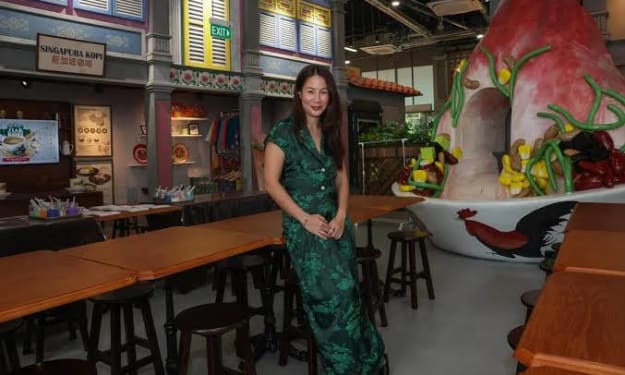
In a touching tribute to love, memory, and cultural heritage, a Singaporean widow has invested nearly $800,000 to establish a hawker culture experience centre dedicated to preserving and celebrating the vibrant food traditions that her late husband cherished throughout his life. The centre, which opened recently in Singapore, aims to provide visitors with an immersive journey into the country’s beloved hawker culture while honouring the legacy of a man who spent decades supporting local food vendors. The project was initiated by Lim Mei Hua, whose husband, Tan Wei Chong, passed away three years ago after a long illness. Tan was widely known among friends and family as a passionate supporter of traditional hawker stalls and frequently spent his weekends exploring different food centres across Singapore. According to Lim, the idea of creating a space dedicated to hawker heritage had long been one of her husband’s dreams. “He always believed that hawker culture was the heart of Singapore,” Lim said during the centre’s opening ceremony. “After he passed away, I wanted to do something meaningful that would keep his passion alive and allow future generations to understand why these traditions matter.” Singapore’s hawker culture is a cornerstone of the nation’s identity. The bustling open-air food centres, filled with vendors serving affordable and diverse dishes, reflect the multicultural roots of the country. In recognition of its cultural importance, UNESCO added Singapore’s hawker culture to its Representative List of the Intangible Cultural Heritage of Humanity in 2020. Lim’s experience centre is designed to showcase this heritage through interactive exhibits, live cooking demonstrations, and storytelling sessions led by veteran hawkers. Visitors can learn about the origins of iconic dishes such as Hainanese chicken rice, Laksa, and Char kway teow, while also exploring the personal journeys of the hawkers who prepare them. The centre includes a small exhibition gallery featuring photographs, kitchen tools, and handwritten recipes collected from hawker families across the city. Many of these items date back decades, offering a glimpse into how culinary traditions have been passed down through generations. One section of the centre recreates a traditional hawker stall environment, allowing visitors to experience what it feels like to work behind the counter during a busy lunch rush. Young participants can try their hand at simple cooking techniques while learning about the discipline and dedication required to master hawker cuisine. Local hawkers have warmly welcomed the initiative. Many worry that younger generations may be less interested in taking over family stalls, which often involve long hours and physically demanding work. By highlighting the cultural significance of these businesses, Lim hopes the centre will inspire renewed appreciation among the public. “Hawker food is not just about eating,” said veteran vendor Ong Kee, who participated in one of the centre’s demonstration sessions. “It’s about history, family, and community. Places like this help remind people why our traditions should continue.” Beyond cultural preservation, the experience centre also aims to support hawkers economically. A portion of ticket sales will be directed toward training programs for aspiring food vendors, helping them learn both traditional recipes and modern business skills. Lim believes this approach can help sustain the industry while adapting to changing times. Tourism officials in Singapore have also expressed optimism about the centre’s potential to attract international visitors interested in culinary experiences. Food tourism has become an increasingly important part of the country’s travel industry, with visitors eager to explore authentic local cuisine. For Lim, however, the centre’s true purpose goes far beyond tourism or business success. Every corner of the space reflects memories of her husband—his favorite dishes, the stalls he frequently visited, and the stories he loved to share. “Whenever I see people enjoying the exhibits or learning about hawker culture, I feel like his spirit is still here,” she said quietly. “This place is not just about the past. It’s about keeping something precious alive.” Through her remarkable gesture, Lim has transformed personal grief into a lasting tribute that celebrates love, heritage, and the enduring power of food to bring communities together. Her $800,000 investment ensures that the spirit of Singapore’s hawker culture—and the memory of the man who cherished it—will continue inspiring generations to come.
By Fiaz Ahmed 4 days ago in Feast



Comments
There are no comments for this story
Be the first to respond and start the conversation.