
The Art of Cooking Zongzi: Avoid Plain Water and Master These Tips for Sticky, Fragrant, Perfectly Cooked Rice Dumplings
The Art of Cooking Zongzi: Avoid Plain Water and Master These Tips for Sticky, Fragrant, Perfectly Cooked Rice Dumplings
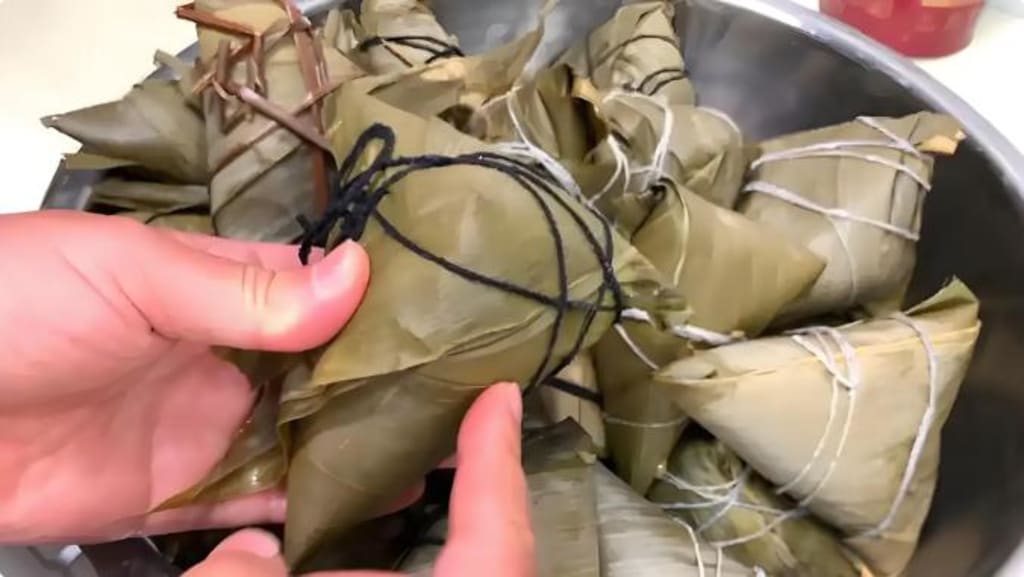
As the Dragon Boat Festival approaches, the aroma of zongzi (sticky rice dumplings) fills kitchens across the country. Last year, I confidently wrapped dozens of zongzi, only to end up with half of them splitting open during cooking, revealing undercooked rice cores that left my family grimacing. It wasn’t until I learned a critical tip from my neighbor Auntie Wang that I realized cooking zongzi is an art—starting with something as simple as using cold water. Today, I’ll guide you through every step, from wrapping to cooking, ensuring your zongzi this year are plump, fragrant, and flawlessly tender!
The Golden Rule of Cooking Zongzi: Never Use "Naked" Water
Many beginners make the mistake of boiling zongzi in plain water—a surefire path to disaster. Just as steaming buns requires a cloth liner, cooking zongzi demands "enhanced" water. My failed batch last year taught me this lesson: plain water causes rapid expansion of the glutinous rice, tearing the bamboo leaves and leaving the rice undercooked.
Here’s the fix: After submerging the zongzi in cold water, add 1 tablespoon of salt and ½ tablespoon of baking soda. Salt strengthens the rice’s texture, acting like a protective layer for even cooking, while baking soda unlocks the aromatic compounds in the bamboo leaves. Always keep the water level above the zongzi, replenishing with hot water (never cold) if needed. Sudden temperature changes cause "explosions" as the rice contracts and expands.
Step-by-Step Guide to Wrapping Perfect Zongzi
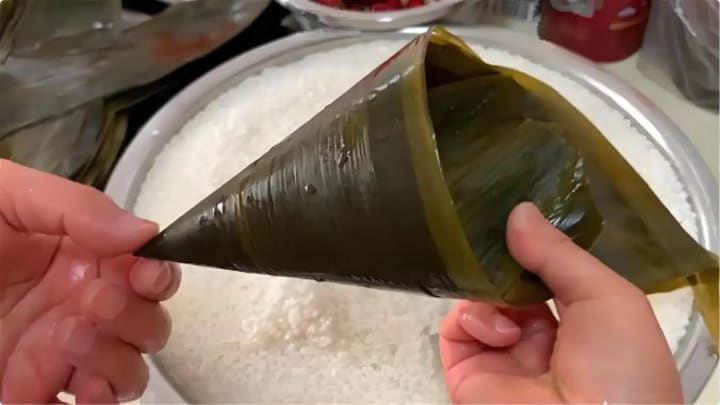
1. Preparing the Bamboo Leaves
Fresh bamboo leaves should be rinsed and soaked in boiling water for 3 minutes to sterilize and soften them. This turns the leaves silky and crack-resistant. For dried leaves, soak them in water for 8 hours, changing the water twice to restore flexibility.
2. Soaking the Glutinous Rice
Soak the rice for 4 hours (refrigerate in summer to prevent souring). Pro tip: Add ½ teaspoon of sesame oil to the soaking water for glossy, non-sticky rice. After draining, toss the rice with 2 tablespoons of peanut oil to ensure it stays translucent and doesn’t cling to the leaves.
3. Mastering the Four-Corner Fold
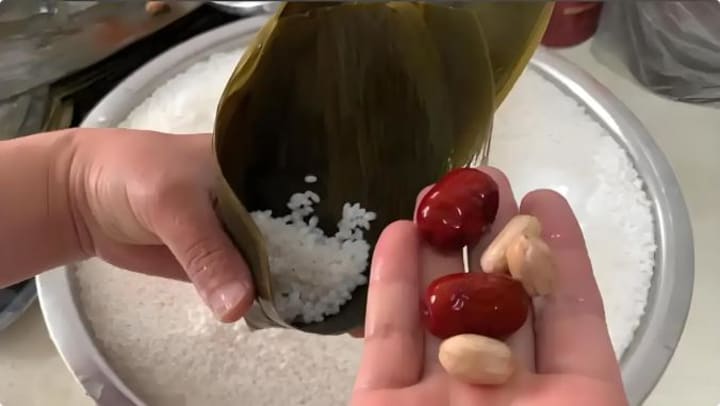
Overlap two bamboo leaves into a funnel shape. Use your left hand to secure the tip, then layer:
• 1 scoop of rice
• Marinated pork belly and salted egg yolk
• Another layer of rice
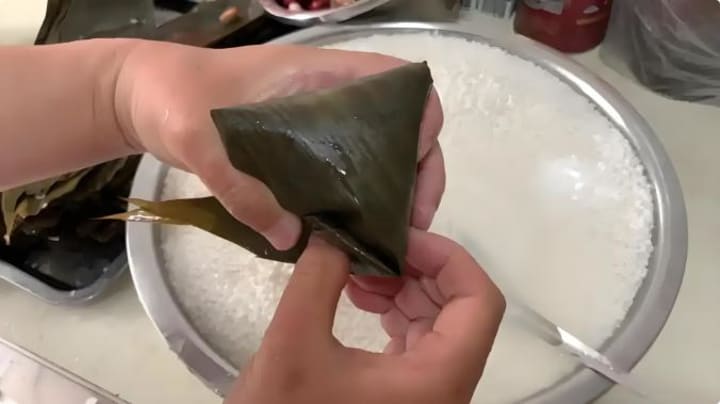
The key move: Fold the leaves downward to seal the rice, tucking the sides inward. Secure with kitchen twine around the "waist" of the zongzi. Remember: "Fill 80%, pack tightly"—this leaves room for expansion during cooking.
Low and Slow: The Secret to Locking in Flavor
Place the wrapped zongzi in a pot of cold water. Bring to a boil, then reduce to a gentle simmer (small bubbles only). Cook for 3 hours in a regular pot or 40 minutes in a pressure cooker. To test doneness, insert a chopstick—if it pierces smoothly without resistance, they’re ready. Never skip the post-cooking rest: Let the zongzi steep in the hot water for 2 hours off the heat. This allows the rice to fully absorb the bamboo leaf fragrance.
A Story of Triumph (and Life Advice)
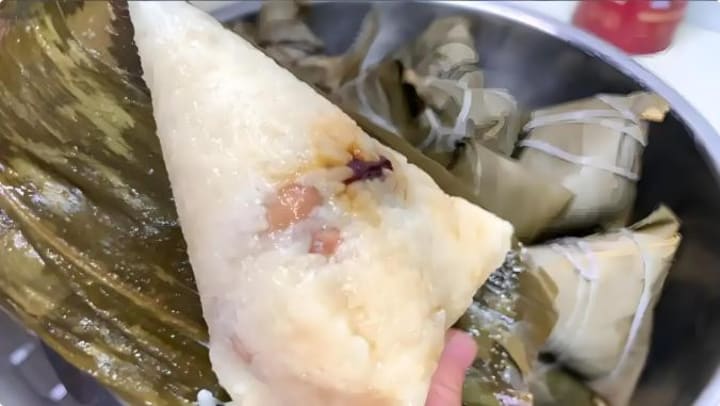
Last year, when I lifted the lid to find emerald-green, perfectly plump zongzi, I nearly dropped the lid in excitement. The first bite revealed tender rice embracing rich egg yolk, all infused with herbal notes from the leaves—even my picky niece devoured two. Auntie Wang’s wisdom rings true: "Cooking zongzi is like life: rushing leads to chaos; patience yields flavor."
Bonus Tips for Zongzi Mastery
• Ingredient Upgrades: For extra aroma, add star anise or dried shrimp to the cooking water.
• Storage: Freeze uncooked zongzi for up to 3 months. Reheat by steaming for 20 minutes.
• Troubleshooting: If leaves split during cooking, wrap the zongzi in cheesecloth next time to contain the rice.
The Cultural Heart of Zongzi
Beyond technique, zongzi carry centuries of tradition. Originating as offerings to river deities, they now symbolize familial bonds and cultural continuity. Each region boasts variations: sweet red bean paste in the north, savory pork in the south, and even innovative matcha or chocolate fillings. Yet all share that magical alchemy of simple ingredients transformed by care and time.
This Dragon Boat Festival, let your kitchen become a bridge between generations. With these secrets, you’re not just cooking zongzi—you’re stewarding a legacy, one fragrant, sticky bundle at a time.
About the Creator
My Tous les Jours Trip
As someone who lives in a rural area, I don't get the chance to visit fancy restaurants or bakeries that often. So, when a friend told me about a French-Asian bakery that's less than an hour away, I knew I had to check it out and grab some pictures for social media. Tous les Jours ended up providing an immersive experience that went above and beyond my expectations--although I did leave with a few reservations.
By Kaitlin Shanks25 days ago in Feast
Orange Market Size and Forecast 2025–2033
Orange Market at a Glance (Renub Research) The Global Orange Market is expected to reach US$ 53.74 billion by 2033, up from US$ 38.45 billion in 2024, expanding at a CAGR of 3.79% from 2025 to 2033. Rising consumer demand for vitamin C–rich foods, the rapid growth of juice and beverage categories, health-conscious lifestyles, and the expanding use of oranges in cosmetics, pharmaceuticals, and functional foods are the primary growth engines. Export opportunities and favorable cultivation conditions across major producing regions further reinforce long-term market expansion.
By Aaina Oberoi6 days ago in Feast




Comments
There are no comments for this story
Be the first to respond and start the conversation.