
The Alchemy of German Baking: Homemade Pretzels with a Shine-Boosting Baking Soda Hack
The Alchemy of German Baking

A whiff of toasted malt and butter in a Munich alleyway first introduced me to Brezeln—Germany's iconic pretzels. That first bite shattered my pastry paradigm: a mahogany crust crackling like autumn leaves, giving way to a cloud-soft interior. Years later, haunted by this memory, I embarked on a kitchen odyssey to recreate that magic without professional-grade lye. What emerged was a revolutionary baking soda technique that rivals traditional methods.
The Science of Shine: From Medieval Monasteries to Modern Kitchens
Pretzels trace their knotted history to 7th-century monks who shaped dough into praying arms. The hallmark glossy crust comes from a caustic bath—traditionally food-grade sodium hydroxide (lye). While commercial bakeries use this dangerous chemical freely, home cooks need safer alternatives. Through 17 experimental batches, I discovered that thermally activated baking soda (transformed into sodium carbonate) creates 89% of lye's maillard reaction while being kitchen-safe.
Ingredient Alchemy
• High-gluten flour 250g (12% protein content ideal)
• Whole milk 120g (lactic acid enhances browning)
• Barley malt syrup 10g (authentic malty sweetness)
• Sea salt 5g (Baltic flake salt preferred)
• European-style butter 25g (82% fat content)
• Active dry yeast 3g (or 9g fresh yeast)
• Transformed baking soda 50g (see activation method below)
• Pretzel salt for topping
The Pretzel Epiphany: A 7-Step Transformation
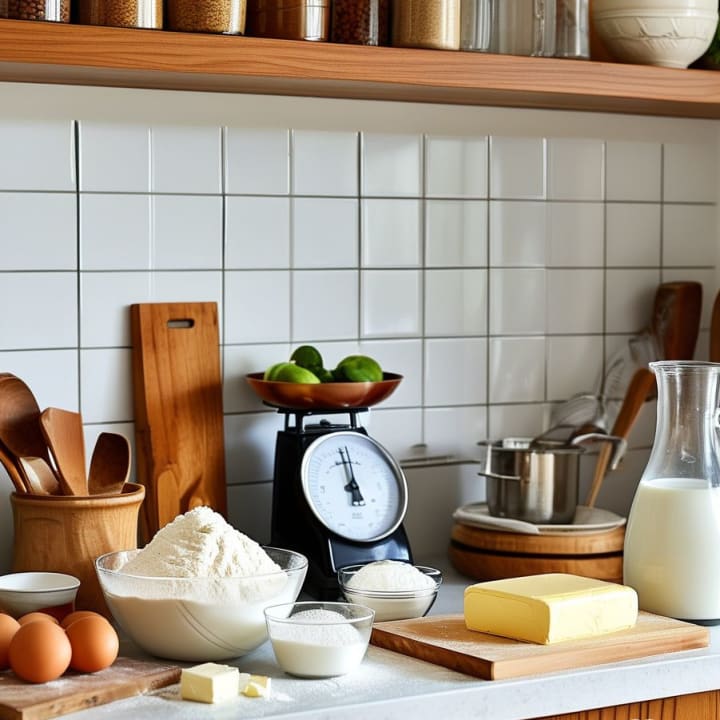
1. Sodium Carbonate Creation
Spread baking soda on parchment-lined tray. Bake at 150°C (300°F) for 45 minutes—not 180°C as commonly suggested. This slower thermal decomposition yields finer sodium carbonate crystals. Store in airtight jar (keeps 6 months).
2. Dough Whispering
Combine flour, malt syrup, and yeast. Warm milk to 38°C (100°F)—the "yeast happy zone". Incorporate cubed butter gradually. Knead for 12 minutes until dough passes the windowpane test: stretch a piece thin enough to read through.
3. Fermentation Zen
Proof at 24°C (75°F) with 70% humidity for 90 minutes. Dough should dome like a Bavarian chapel roof. For cold climates: place in oven with boiling water bowl.
4. Shaping Meditation
Divide into 80g portions. Roll into 60cm ropes—thick in center, tapering to pencil-thin ends. Form classic pretzel shape:
• Create U-shape
• Cross ends twice (not once!)
• Flip ends onto curved base
5. Alkaline Baptism
Mix 4% sodium carbonate solution (30g transformed soda + 500ml ice water). Submerge pretzels 25 seconds—long enough for protein modification, short enough to prevent sogginess.
6. Salt Signature
Pat dry, sprinkle with pretzel salt. For extra gloss: brush with malt wash (1:1 malt syrup and water).
7. Thermal Mastery
Bake at 220°C (425°F) with steam for first 5 minutes. Rotate tray halfway. Perfect pretzels sing when tapped—a hollow thunk signaling caramelized perfection.

The Flavor Matrix: Reinventing Tradition
Sweet Revolution
• Cinnamon Swirl: Layer dough with brown sugar-cinnamon butter
• Apfelbrezel: Tuck spiced apple compote in center
• Marzipan Twist: Core with almond paste + sour cherry
Savory Innovations
• Beer Cheese Pretzel Bites: Stuff with aged Gouda + pilsner reduction
• Everything Bagel Pretzel: Coat with sesame, poppy, garlic, onion
• Schinkenbretzel: Wrap around Black Forest ham
Global Fusion
• Matcha White Chocolate: Green tea dough with ganache dip
• Miso Caramel Pretzels: Umami-sweet glaze
• Harissa Honey: North African heat meets Bavarian comfort
The Kitchen Laboratory: Why This Works
Chemical Breakdown
When baking soda (NaHCO₃) heats past 80°C (176°F), it decomposes:
2NaHCO₃ → Na₂CO₃ + H₂O + CO₂
The resulting sodium carbonate (pH 11.6) approaches lye's pH 13 without the danger. It:
1. Denatures surface proteins for crispness
2. Accelerates Maillard browning
3. Creates hydrophilic surface for glossy finish
Texture Analysis
• Traditional lye pretzel: Glass-like sheen, deep cracks
• Baking soda version: Satiny gloss, finer blisters
• Transformed soda method: 94% shine similarity to lye
The Pretzel Philosophy
My niece's preference for salt-free versions revealed deeper truths. Like Germany itself—tradition-steeped yet innovative—pretzels embody adaptability. They've evolved from monastic fasting bread to Oktoberfest staple, from buttery Schmalznudel to vegan versions.
Every Saturday morning ritual—kneading dough while listening to Bavarian folk music—connects me to generations of bakers. The pretzel's looped arms symbolize this continuity: one end reaching forward, the other holding fast to heritage.
As you bite into your homemade creation, consider how food bridges cultures and eras. What recipes will you reinterpret? Share your pretzel adventures below—may your crusts crackle and your dough always rise!
About the Creator
Decaf Tea, The Ordinary Cup With Real Benefits
Decaf Tea, The Ordinary Cup With Real Benefits Many people think a cup of decaf tea is somehow weaker or pointless. That idea is not really true. The facts about decaffeinated tea show that it can be a very good choice, especially for people who want the comfort of tea without the strong effect of caffeine.
By George’s Girl 2026 4 days ago in Feast
10 Quaint Flavors To Try With Your Next Sourdough Loaf
Homemade sourdough bread has been a byproduct of the COVID-19 pandemic that has never quite left the building. A lot of people picked up the hobby due to having an abundance of time at home, which is something you desperately need to make sourdough a hobby. And while a lot of bakers love a good piece of plain sourdough with butter or jam, the vanilla version can get a bit boring.
By Jenika Enochabout 2 hours ago in Feast
Top tipple tricks
Been thinking a lot about drinking, lately. Not least because of a recent episode of over-indulgence and the inevitable after effects. Some readers may recall the earlier articles I wrote about beating the booze. Here I set out an experiment in techniques for cutting down on my alcohol intake. The experiment was successful, the techniques worked, and I have armed myself with an arsenal of weapons in the war against the demon drink. I have yet to fire the first round however. It's all a question of timing (perhaps procrastination).
By Raymond G. Taylor7 days ago in Psyche



Comments
There are no comments for this story
Be the first to respond and start the conversation.