healthy
Living a healthy lifestyle with your food choices. Healthy living is a Feast Media must!
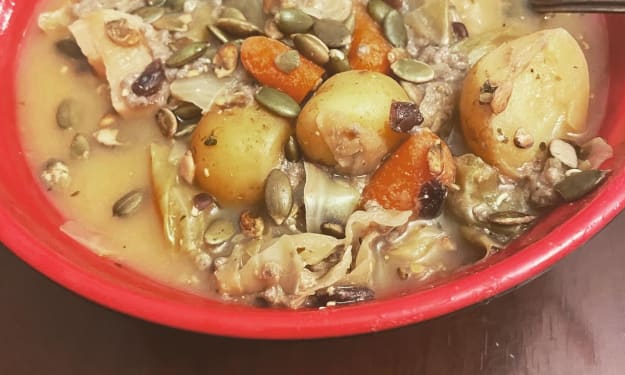
Hearty Cabbage and Black Bean Soup
Warm up with this delicious and nutritious Cabbage and Black Bean Soup. Packed with the wholesome goodness of fresh vegetables, black beans, and a blend of seasonings, this soup offers a comforting meal that’s both filling and satisfying. Enhanced with chia and hemp seeds for added protein, it’s perfect for those looking for a hearty vegetarian option.
By Dan-O Vizzini2 years ago in Feast
Fetal Echo Test: Ensuring Healthy Hearts for Little Ones
Pregnancy is a beautiful journey filled with excitement and anticipation. Expectant parents eagerly await the arrival of their little one, hoping for a healthy and happy baby. Prenatal care plays a vital role in ensuring the well-being of both the mother and the baby. Among the various tests performed during pregnancy, the Fetal Echo Test stands out as a crucial examination for assessing the heart health of the unborn child. In this blog post, we will explore the importance of the Fetal Echo Test and how it contributes to the early detection and management of potential cardiac abnormalities in the womb.
By Dr Tushar Semwal2 years ago in Feast
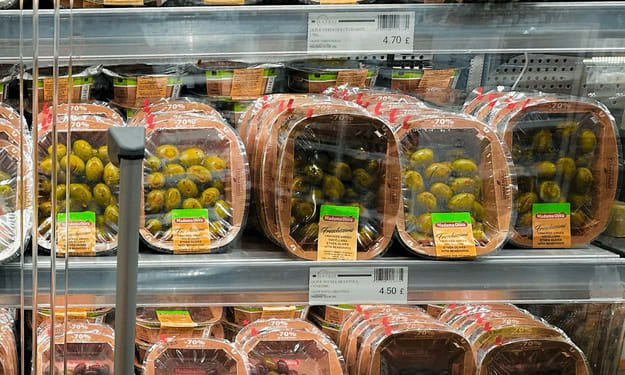
Olives and Chips; The Only True Pairing. Top Story - August 2023.
Potato and an offshoot of a shrub. You cannot get more humble, or basic. And yet. Odes have ben written in their honour; paint to their pleasing Still Life credentials - they feature on every menu. But truly. When was the last time you stopped to revel in the joy that is the simple chip and olive? Fear no longer, cos here comes a little essay with my two cents to my most beloved of evening starters.
By Jessica Bailey2 years ago in Feast
Global Veganism Dilemma
What would happen if, one day, the entire global population collectively abandoned their steak-filled plates to embrace a vegan lifestyle? Whether driven by a pursuit of better health, the desire to alleviate suffering, or the urgency of combating climate change, everyone found their own motivation to reject juicy burgers, fluffy omelettes, cheesy pizzas, and even ice cream. Imagine a world where a vegan diet emerges as the hero, saving the planet from the clutches of climate change while potentially enhancing personal well-being. But what consequences would such a shift hold?
By Pourus Anklesaria2 years ago in Feast
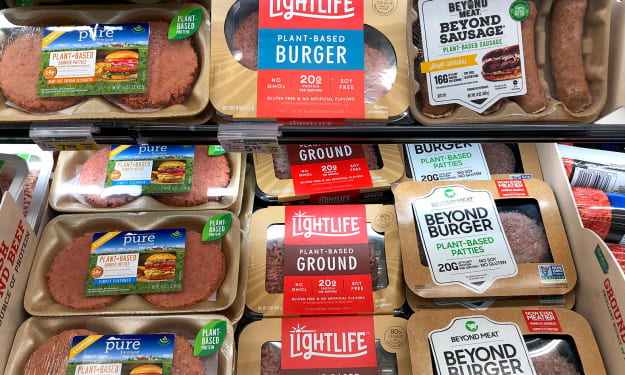
Is Vegan Meat Really Better for You?
In 2021, a survey involving more than 1,000 individuals from the United States revealed that nearly two-thirds had consumed alternatives to meat derived from plants within the preceding year. A significant number of participants cited potential benefits for health and the environment as their primary motivation. However, it's important to question whether these substitute meat products truly offer advantages for both our well-being and the environment. So to do so, we must look at a few different points.
By Orion Wilde2 years ago in Feast
The Mysterious Barbados Cherry
Since I was a little girl, I always wondered what kind of fruits our backyard bushes blossomed. My protective dad used to tell me to not eat them because he didn't know if they were poisonous or if there would be a cold-blooded barrier protector eager to strike.
By Ashley Terrell2 years ago in Feast
"Real" meat or "fake" meat?
A survey conducted in 2021 revealed that nearly two-thirds of Americans had consumed plant-based meat alternatives within the past year. The main reasons cited were the potential health benefits and positive environmental impact. However, it is essential to determine whether these alternative meats are truly advantageous for both our well-being and the planet. First, let's introduce the contenders. Farmed meat, which comes from butchered animals, is a complex composition of muscle fibers, connective tissues, and fat. It has played a significant role in the human diet throughout history. On the other hand, plant-based meat alternatives may resemble and taste like meat, but they are made up of proteins, carbohydrates, fats, and other components derived from plants. The process of transforming plant molecules into meat-like structures requires considerable effort. For instance, the fibrous texture of meat is achieved by using long rod-like proteins. To replicate this structure, ball-shaped plant proteins can be pushed through an extruder device, forcing them to unwind and form long filaments. Companies also add fats and oils extracted from plants to mimic animal fat. Some brands even incorporate beet juice pigment or an iron-containing molecule called heme to enhance the appearance and flavor of their products. Plant-based meat alternatives are available in various forms. Additionally, there is lab-grown meat, also known as cell-based meat or cultured meat. These products begin with animal stem cells that researchers cultivate and shape into muscle tissue. It is important to note that lab-grown meats are still in the development stage, and the exact production process may change when they are commercially available on a larger scale. When considering the health aspect, farmed meat is a valuable source of protein and nutrients. However, studies have shown links between diets high in red and processed meats and health concerns such as type 2 diabetes and heart disease. One study from 2012 suggested that replacing red meat with alternatives like chicken, nuts, or legumes for one meal a day could potentially reduce mortality risk by 7 to 19%. The impact of replacing red meat with plant-based patties or lab-grown meat requires further research, as there is insufficient data available. Plant-based meat alternatives offer similar amounts of protein, calories, and iron as farmed meat, but they are highly processed and tend to be high in sodium. Many of these alternatives also contain coconut oil, which is high in saturated fat and may increase the risk of heart disease, similar to red meat. Lab-grown meat has the potential to offer comparable nutritional qualities and health risks as farmed meat, but more research is needed. In terms of environmental impact, animal agriculture is responsible for approximately 14.5% of human-caused greenhouse gas emissions. Researchers estimate that producing plant-based meat substitutes results in around 90% fewer greenhouse gas emissions compared to beef, 63% less than pork, and 51% less than poultry, per equivalent amount. Plant-based alternatives also require significantly less land and water compared to farmed meat. Additionally, their production results in lower levels of pollutants entering waterways, which helps protect the environment and public health. However, it is uncertain how lab-grown meat will impact the environment once production is scaled up. Currently, the industry primarily obtains stem cells from livestock muscle tissue, raising questions about the number of animals required for biopsies. It is also unclear to what extent alternative meats will reduce the overall environmental impact of the farmed meat industry. If people continue to consume the same amount of farmed meat while incorporating alternative options, the potential benefits might be limited. While the nutritional superiority of different meat options is still debated, those concerned about animal welfare, public health, and the environment often choose plant-based meat alternatives. It is important to note that transitioning to meat alternatives does not have to be an all-or-nothing decision
By Maliki Gomez2 years ago in Feast
Raw vs. Cooked Veggies:
Let's explore the benefits of consuming vegetables in their raw or cooked form. To do this, it's important to understand the nutritional content of vegetables. Vegetables contain essential nutrients such as folate, vitamin C, and beta-carotene, which is a precursor to vitamin A. However, animal-based vitamins such as iron found in red meat are more easily absorbed by the body compared to plant-based vitamins.
By Jshaun Jacobs2 years ago in Feast
Do You Really Need to Peel Ginger?
Introduction: Cooking is an ever-evolving skill, and as we refine our culinary techniques, we often discover that some traditional practices may not be necessary. One such practice is peeling ginger. While many old-school cooks insist on peeling ginger before using it in recipes, it turns out that peeling ginger may not be essential after all. In this article, we will explore the reasons behind this claim and examine whether peeling ginger should be reconsidered. We will delve into time-saving hacks, the origins of the peeling tradition, flavor and texture considerations, health aspects, exceptions to the rule, and tips for selecting quality ginger.
By Nature Music2 years ago in Feast
Lau Dalma: A Sneaky Way To Incorporate Greens Into Your Kid's Diet
We found you an amazing way to incorporate vegetables in your kid's diet, without any fuss! Highlights We all share a love-hate relationship with lauki. However, it holds a fixed position in our kitchens due to its nutrients. Here's a delicious recipe to sneak in lauki, without affecting the taste.
By GV Krithvik Ram2 years ago in Feast