feature
Feast featured post, a Feast Media foodie favorite.
Top 10 Visual Effects Services companies in the world
Remember watching Jurassic Park for the first time? Those dinosaurs that made your jaw drop only appeared for about 15 minutes of screen time, yet they took an entire year to create. That's the mind-blowing reality of Visual Effects Services – months of painstaking work for moments that leave us speechless.
By Jan Muhammad11 months ago in Feast
"The Ultimate 7-Day Weight Loss Challenge Shed Pounds Quickly & Safely!"
Losing weight in just seven days is a challenging but achievable goal if you follow a disciplined approach. While long-term weight loss requires sustainable lifestyle changes, short-term strategies can help you shed a few pounds quickly, whether for an event, vacation, or a jumpstart to a healthier routine.
By SOSTI RANI11 months ago in Feast
Brazilian Style Stuffed Potatoes with Cheese
Cheesy Stuffed Potatoes That Melt in Your Soul (Not Just in Your Mouth) Sometimes, all you need is a warm, cheesy dish that feels like a hug from the inside. And let’s be honest, nothing does that better than a good stuffed potato. Not the frozen, sad kind from the supermarket — we’re talking real potatoes, real cheese, real love. This recipe is everything you want in comfort food: creamy, crispy, hearty, and surprisingly simple. Even better? You only need one pan and about 20 minutes. Your kitchen stays clean, and your stomach stays happy.
By Giulianno Dalla Vecchia11 months ago in Feast
Chocolate Easter Gifts: Sweet Surprises for a Joyful Celebration
Introduction Easter is a time for joy, celebration, and—most importantly—chocolate! From beautifully wrapped eggs to intricately crafted bunnies, chocolate Easter gifts are a timeless way to show love and appreciation during the holiday season. Whether you're shopping for children, adults, or someone with specific dietary needs, chocolate remains the ultimate crowd-pleaser.
By Kron Chocolatier11 months ago in Feast
Last Meal On Earth - Death Row Dinner Letter
Author's Notes: For this week in my ongoing slog through making my name and writing appear all over Vocal via my self-imposed ABCommunities Challenge, I have arrived on the Feast Community. I figured I'd just write about some of my favourite food. Wow, holy hot dogs, Batman! I know, I know... hold onto your excitement, folks! Also, I've taken a slightly different approach to a Feast piece. Cos, I'm Paul. Also, also, we have one more week before I reach Filthy, next week, from Wednesday 16th onwards! Woo?
By Paul Stewart11 months ago in Feast
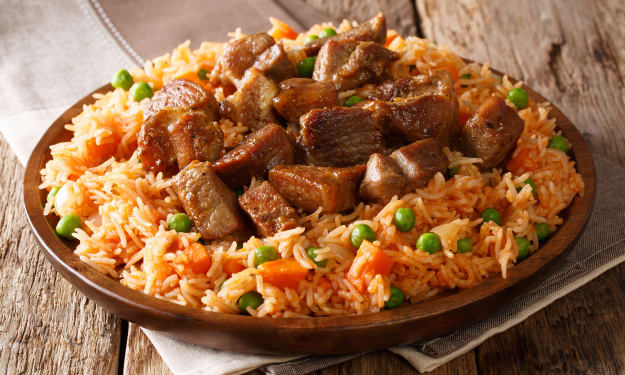
Family Favorite One-Pan Spanish Rice and Pork Recipe
When the kids were little, one dish always made it to the table on busy weeknights: Spanish Rice and Pork. Simple, hearty, and all done in one pan, it was a meal that filled the kitchen with the warm, savory aroma of stewed tomatoes and tender pork.
By Xine Segalas11 months ago in Feast
No. 1 Chicken Favorite Homemade Chicken Strips
When my kids were little, I used to make them homemade chicken strips that we referred to as “No.1 Chicken.” It wasn’t just their favorite — they loved that the long strips of chicken, sliced from whole breasts, looked like the number one. So when I would say, "We are having No.1 Chicken," they knew exactly what I was referring to. What can I say, we are a very literal family.
By Xine Segalas11 months ago in Feast