

"Sugar: the sweet poison" is an apt phrase that describes the impact of excessive sugar consumption on our health. In recent years, sugar has emerged as a major contributor to a range of chronic health issues, including obesity, diabetes, heart disease, and dental problems. As our world grapples with an epidemic of lifestyle-related diseases, understanding the detrimental effects of sugar has become a critical aspect of public health. In this ENDEVR documentary, we will delve into the far-reaching consequences of sugar consumption on our bodies and society, shedding light on the hidden dangers of this ubiquitous ingredient.
To comprehend how sugar affects our health, we must first understand its composition and how our bodies process it. Sugar primarily comes in two forms: glucose and fructose. While glucose is essential for providing energy to our cells, excessive fructose intake can lead to significant metabolic issues.
When we consume sugary foods and beverages, the body breaks down these carbohydrates into glucose and fructose. While glucose is utilized by the body for energy or stored in the liver and muscles as glycogen, excessive fructose is converted into fat in the liver, leading to non-alcoholic fatty liver disease (NAFLD). Moreover, this excess fat contributes to insulin resistance, a precursor to type 2 diabetes.
Historically, sugar was a rare commodity, used sparingly for special occasions or medicinal purposes. However, with the advent of the sugar industry and the widespread use of high-fructose corn syrup, sugar consumption skyrocketed. This chapter explores the evolution of sugar consumption over the decades and its pervasive presence in modern diets.
Sugar-sweetened beverages, processed foods, and confectionery have become staples in many people's diets, especially in developed nations. Coupled with aggressive marketing by the food industry, these sugary products have become an integral part of our daily lives, contributing to the obesity epidemic and a host of health problems.
The link between excessive sugar consumption and obesity cannot be ignored. In this chapter, we delve into how sugar disrupts our body's natural appetite regulation mechanisms, leading to overeating and weight gain. High sugar intake causes a spike in insulin levels, which prompts the body to store more fat, resulting in weight gain and increased fat deposition around vital organs.
Moreover, sugar-laden foods are often calorie-dense and nutritionally poor, leading to a condition known as "empty calories." These foods provide little satiety, leaving individuals hungry and more likely to consume even more calories. The vicious cycle of sugar consumption, overeating, and weight gain perpetuates the obesity epidemic.
As sugar consumption has risen, so has the prevalence of type 2 diabetes, a metabolic disorder characterized by elevated blood glucose levels. This chapter examines how excessive sugar intake contributes to insulin resistance, the hallmark of type 2 diabetes.
Research shows that high sugar intake leads to chronic inflammation, which can damage insulin-producing cells in the pancreas. Furthermore, sugary beverages have been particularly linked to an increased risk of diabetes, as they lead to rapid spikes in blood sugar levels.
The impact of sugar consumption extends beyond obesity and diabetes. Excessive sugar intake has been linked to an increased risk of heart disease and related cardiovascular issues. This chapter explores how high sugar intake contributes to high blood pressure, triglyceride levels, and inflammatory markers that damage the arteries and increase the risk of heart attacks and strokes.
In this chapter, we focus on the devastating impact of sugar on our oral health. Sugar provides a breeding ground for harmful bacteria in the mouth, leading to tooth decay and gum disease. Dental caries affect millions worldwide, and excessive sugar consumption is a primary cause of this preventable condition.
As we understand the gravity of sugar's impact on our health, it becomes imperative to find solutions. In this final chapter, we explore strategies for reducing sugar consumption on both individual and societal levels.
Educating the public about the dangers of excessive sugar consumption and implementing policies to regulate sugar in food products are essential steps toward promoting healthier choices. Additionally, encouraging the consumption of whole, unprocessed foods and promoting sugar alternatives can help curb the sugar epidemic.
"Sweet Death: How Sugar Is Making Us Sick" exposes the detrimental effects of excessive sugar consumption on our bodies and society as a whole. From obesity and diabetes to heart disease and dental problems, sugar is a major player in the global health crisis. Understanding the science behind sugar, the rise of sugar consumption, and its connection to various chronic illnesses is essential to make informed choices about our diets and improve public health. By acknowledging the dangers of sugar and taking collective action, we can strive towards a healthier and more sustainable future for ourselves and future generations.
About the Creator
Keep reading
More stories from Bhavani Balakrishnan and writers in Feast and other communities.
Superfoods
In recent years, the term "superfoods" has taken the health and nutrition world by storm. These nutrient-rich foods are touted as having extraordinary health benefits, often capable of curing ailments and promoting longevity. But is healthy eating just hype, or do superfoods genuinely deserve the praise they receive? In this essay, we will explore the concept of superfoods, discuss their potential benefits, and critically examine whether healthy eating is indeed nothing more than a marketing buzz.
By Bhavani Balakrishnan3 years ago in Feast
Frozen Blueberries Recalled: What Families Need to Know
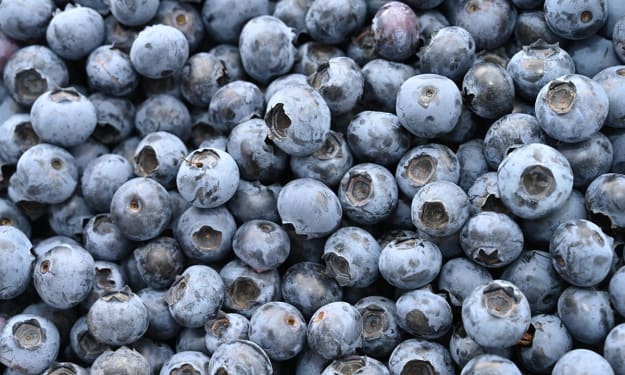
You open your freezer to grab a handful of blueberries for a smoothie. It is part of your routine. Maybe you add them to oatmeal for your child before school. Maybe you bake them into weekend muffins. Frozen fruit feels safe. It feels simple. But then you see the headline: frozen blueberries recalled. Suddenly, that bag in your freezer does not feel harmless anymore. Questions rush in. Are they safe to eat? What brands are involved? What should you do next? Food recalls can be unsettling, especially when they involve everyday items. This article explains why frozen blueberries recalled announcements happen, what risks are involved, and how to protect yourself and your family without panic.
By Muqadas khan6 days ago in Feast
Rich People's Palates: Burgers That Cost More Than Rent
Who doesn’t love a good hamburger? It’s one of my favorite foods, whether I prepare one at home or hit up the nearest drive-thru. Now and again, I splurge and treat myself to one of the fancy $20 burgers from Five Guys, like I have Lil’ Wayne money and am not checking my balance before merging into the line.
By Criminal Matters7 days ago in Feast
Flower Bloom 369
FLOWER Bloom 2/25/26 Wednesday By Mariann Carroll Karen had been with Tony for 7 years. Tony started acting strangely after her surgery. He would mow the lawn in the rain and be on his cellphone. He started pushing Karen away. Tony came clean about seeing someone. Karen moved out two months later. Karen moved in with a friend. She felt betrayed.
By Mariann Carroll7 days ago in Fiction



Comments
There are no comments for this story
Be the first to respond and start the conversation.