
Stir-Fried Water Bamboo Shoots: Skip the Direct Toss – One Extra Step for Tender, Sweet, and Irresistibly Delicious Results
Stir-Fried Water Bamboo Shoots: Skip the Direct Toss – One Extra Step for Tender, Sweet, and Irresistibly Delicious Results

That seemingly simple dish of stir-fried water bamboo shoots (茭白, jiaobai) was once my personal kitchen Waterloo. Full of enthusiasm, I’d imitate my mother: slicing the pale, tender shoots into thin strips or pieces, heating the wok, adding cool oil, sizzling minced garlic, then stir-frying everything over a roaring flame… The finished dish might look acceptable, boasting a decent color. But the first bite? An elusive, persistent bitterness, coupled with an unpleasant hint of raw toughness, instantly dashed all my eager anticipation. The promising meal plummeted into disappointment.
The turning point came from a neighbor, an auntie deeply versed in culinary arts. She revealed the secret with a knowing smile: “Silly girl! You absolutely cannot chop water bamboo shoots and just throw them straight into the wok! Skip that one crucial step, and of course, it’s going to reward you with bitterness!” That step, she emphasized, was paramount. And below, I’ll share exactly what that critical step entails.
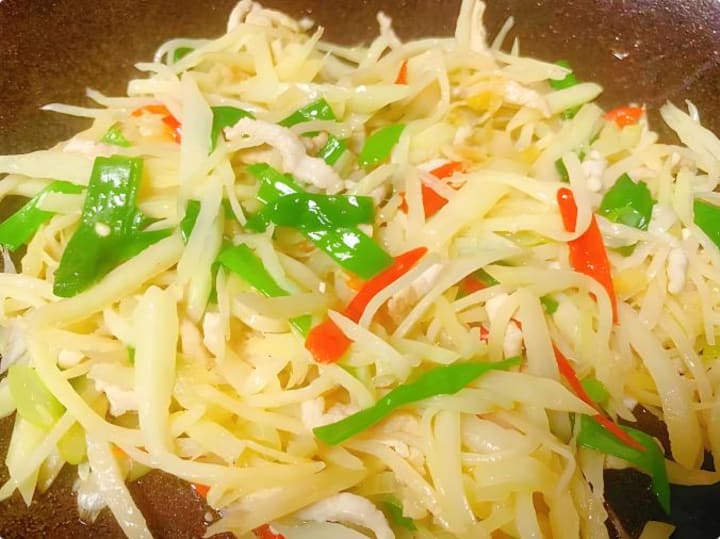
The solution is remarkably simple: blanching in boiling water. This single technique banishes the bitterness and ensures perfect tenderness:
The Essential Blanching Step:
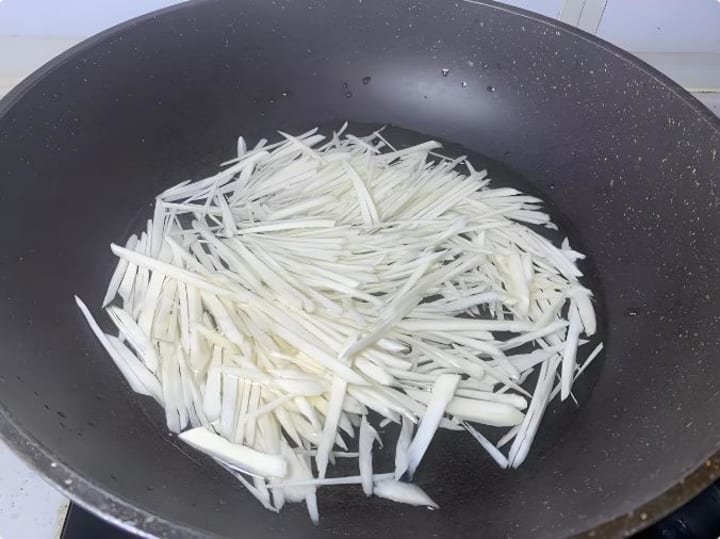
1. Boil Ample Water: Fill a pot with enough water to generously submerge all your prepared water bamboo shoots. Bring it to a vigorous boil over high heat.
2. Season the Water (Optional but Recommended): Once boiling, add a small teaspoon of salt and a few drops of neutral cooking oil (like vegetable or canola oil). The salt provides a subtle base seasoning, while the oil coats the shoots, forming a thin protective layer. This helps prevent oxidation, keeping blanched white varieties brilliantly pale and green-tipped varieties a vibrant green, rather than allowing them to turn dull or yellowish.
3. Blanch Swiftly: Carefully add the sliced or julienned water bamboo shoots to the furious boil. Timing is everything! Typically, only 30 seconds to 1 minute is needed. Watch closely: the shoots will turn slightly more translucent and their texture will soften just perceptibly. Do not overcook! Prolonged boiling leaches out their natural sweetness and leaves them mushy and flavorless. The moment they reach this state, immediately remove them using a slotted spoon or strainer. Drain thoroughly. This blanching step effectively removes the oxalic acid compounds responsible for the astringent taste and pre-cooks them slightly for even stir-frying.
Mastering Stir-Fried Pork with Water Bamboo Shoots:
With your perfectly blanched shoots ready, proceed to create this classic, satisfying dish:
1. Prepare the Pork: Slice lean pork (like pork tenderloin or shoulder/梅花肉) into thin matchsticks. Place in a bowl. Add a splash of Shaoxing wine (or dry sherry), a small drizzle of light soy sauce, a pinch of white pepper, and about 1 teaspoon of cornstarch or potato starch. Mix well, massaging the seasonings into the meat until it feels slightly sticky. Finally, drizzle in about 1 teaspoon of oil and mix again. This “velveting” marinade, sealed with oil, traps moisture and guarantees tender, non-rubbery pork after cooking. Let it marinate for at least 10-15 minutes.
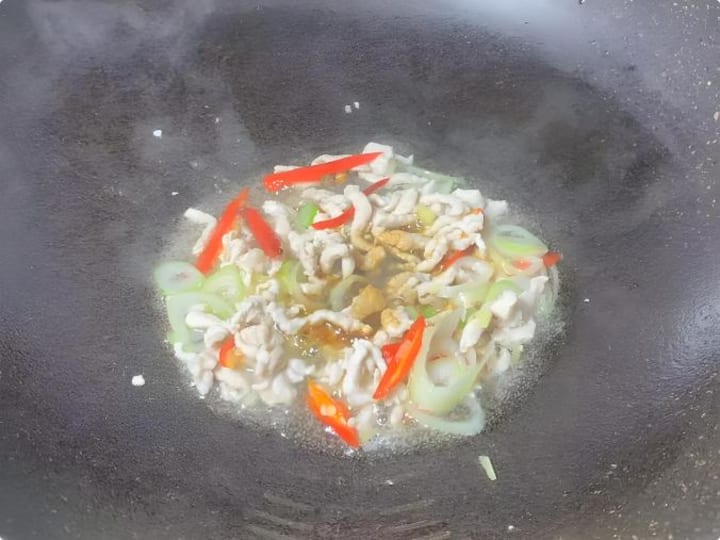
2. Stir-Fry the Pork: Heat your wok or large skillet over high heat until very hot. Add a slightly generous amount of cooking oil (starting with cool oil in a hot wok helps prevent sticking). Once the oil is shimmering and hot (but not smoking excessively), add the marinated pork strips. Spread them out quickly and stir-fry vigorously just until they lose their pink color and turn opaque white – this happens in under a minute. Do not overcook them now! Immediately remove the pork and set it aside on a clean plate.
3. Build the Aroma Base: In the same wok, you should have some residual oil. Add a little more if needed. Add minced garlic and minced ginger (and if you like heat, add some sliced fresh red chili peppers like bird's eye chilies or Thai chilies at this stage too). Stir-fry rapidly for about 20-30 seconds until incredibly fragrant, but be careful not to let the garlic burn.
4. Combine Shoots and Pork: Add the well-drained, blanched water bamboo shoots to the wok. Increase the heat back to medium-high if needed. Stir-fry quickly for about 1 minute, tossing constantly to coat the shoots evenly in the fragrant oil and reheat them thoroughly. Remember, they are already mostly cooked from blanching. Return the par-cooked pork strips to the wok, mixing everything together.
5. Seasoning Symphony: Now, add the final seasonings:
• Drizzle light soy sauce (about 1-2 tablespoons) around the perimeter of the hot wok (this technique, called "long chui," creates instant caramelization and maximizes aroma). Be cautious with quantity as the pork marinade and soy sauce both contribute saltiness.
• Add a pinch of sugar (about 1/2 teaspoon). This isn't for sweetness per se, but to perfectly round out the flavors, neutralize any last hint of potential bitterness, and actually enhance the natural sweetness of the water bamboo shoots.
• Taste first! Only then, if absolutely necessary, add a tiny sprinkle of salt. The goal is balanced savoriness, not saltiness.
Stir-fry everything rapidly for another 30-60 seconds, ensuring the sauce coats every strand and the flavors meld beautifully.
6. The Fragrant Finish: Scatter a generous handful of finely sliced green onions (scallions) over the dish. Give it just two or three more quick tosses to wilt the greens slightly and release their fresh aroma. Immediately transfer everything to a serving platter!
The result? A glistening, aromatic masterpiece: tender, savory pork ribbons intertwined with crisp-yet-tender, sweet water bamboo shoots, all enveloped in a light, savory glaze. It’s the epitome of comforting, delicious home cooking, guaranteed to have everyone reaching for extra rice.
Key Tips for Success:
• Selecting Superior Shoots: Choose water bamboo shoots with smooth, unblemished skin, a plump and firm feel indicating juiciness, very white bases, and bright green, fresh-looking tips on the husks. These are the freshest and sweetest.
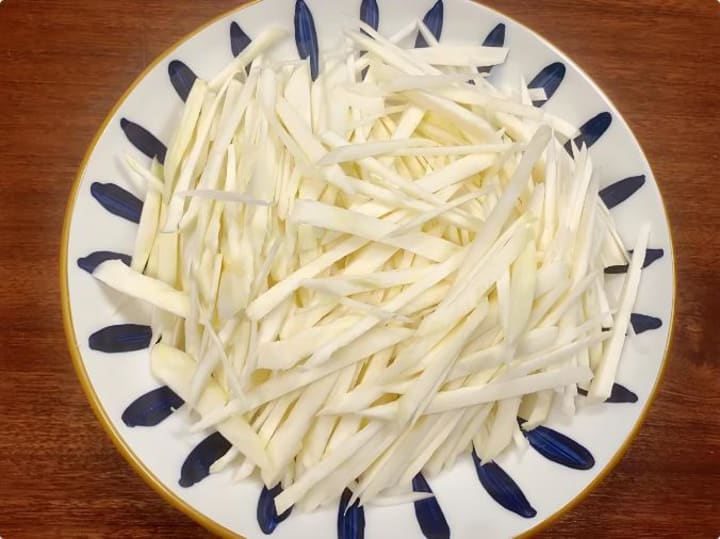
• Blanching is Non-Negotiable, but Brief: This step is essential for removing bitterness and achieving the right texture. Its goal is par-cooking – just enough to denature the enzymes causing astringency and slightly soften the fibers. It is NOT meant to fully cook them. Vigilance with the 30-60 second window is critical.
• High Heat & Speed are Crucial: Both the initial pork stir-fry ("滑炒," hua chao – sliding stir-fry) and the final combining stage demand high heat and quick, decisive movements. This seals in juices, prevents overcooking, and maintains the desirable crisp-tender texture of the shoots and the succulent tenderness of the pork. Hesitation leads to soggy results.
• Mise en Place is Essential: Have all your ingredients prepped, measured, and within arm's reach next to the stove before you start heating the wok. Stir-frying happens fast!
The Transformative Power of One Step:
Mastering this single, simple technique – the quick blanch – has completely transformed this dish on my table. No more culinary disappointments. Now, the water bamboo shoots emerge from the wok like slender jade strips, possessing a captivating crisp-tenderness and pure, unadulterated sweetness, utterly devoid of any unpleasant bitterness. They intertwine seamlessly with the velvety, savory pork, all glistening with a light, flavorful sheen. It’s a dish that consistently, reliably, disappears faster than any other, leaving empty rice bowls piled high beside the serving platter. This experience underscores a profound culinary truth: the most extraordinary flavors often hinge on the humblest, most easily overlooked techniques. Blanching – that brief baptism in boiling water – is truly the magic key to unlocking the sublime, sweet soul of the water bamboo shoot. It elevates a potentially troublesome vegetable into a star ingredient worthy of the cleanest plate award, meal after satisfying meal. Understanding the science – that blanching breaks down oxalates causing bitterness and gently jump-starts the cooking for even texture – makes this step not just tradition, but kitchen wisdom. It’s the bridge between ordinary and exceptional in the realm of simple home cooking.
About the Creator
My Tous les Jours Trip
As someone who lives in a rural area, I don't get the chance to visit fancy restaurants or bakeries that often. So, when a friend told me about a French-Asian bakery that's less than an hour away, I knew I had to check it out and grab some pictures for social media. Tous les Jours ended up providing an immersive experience that went above and beyond my expectations--although I did leave with a few reservations.
By Kaitlin Shanks24 days ago in Feast
Global Beer Market Size & Forecast 2025–2033: A Decade of Transformation, Premiumization, and Global Expansion
Global Beer Market Outlook: Tradition Meets Transformation Beer remains one of the world’s most consumed alcoholic beverages, deeply embedded in social, cultural, and economic traditions across continents. Brewed from simple ingredients—water, malted grains, hops, and yeast—beer has evolved over centuries into a global industry that blends heritage with innovation.
By Aaina Oberoiabout 16 hours ago in Feast



Comments
There are no comments for this story
Be the first to respond and start the conversation.