

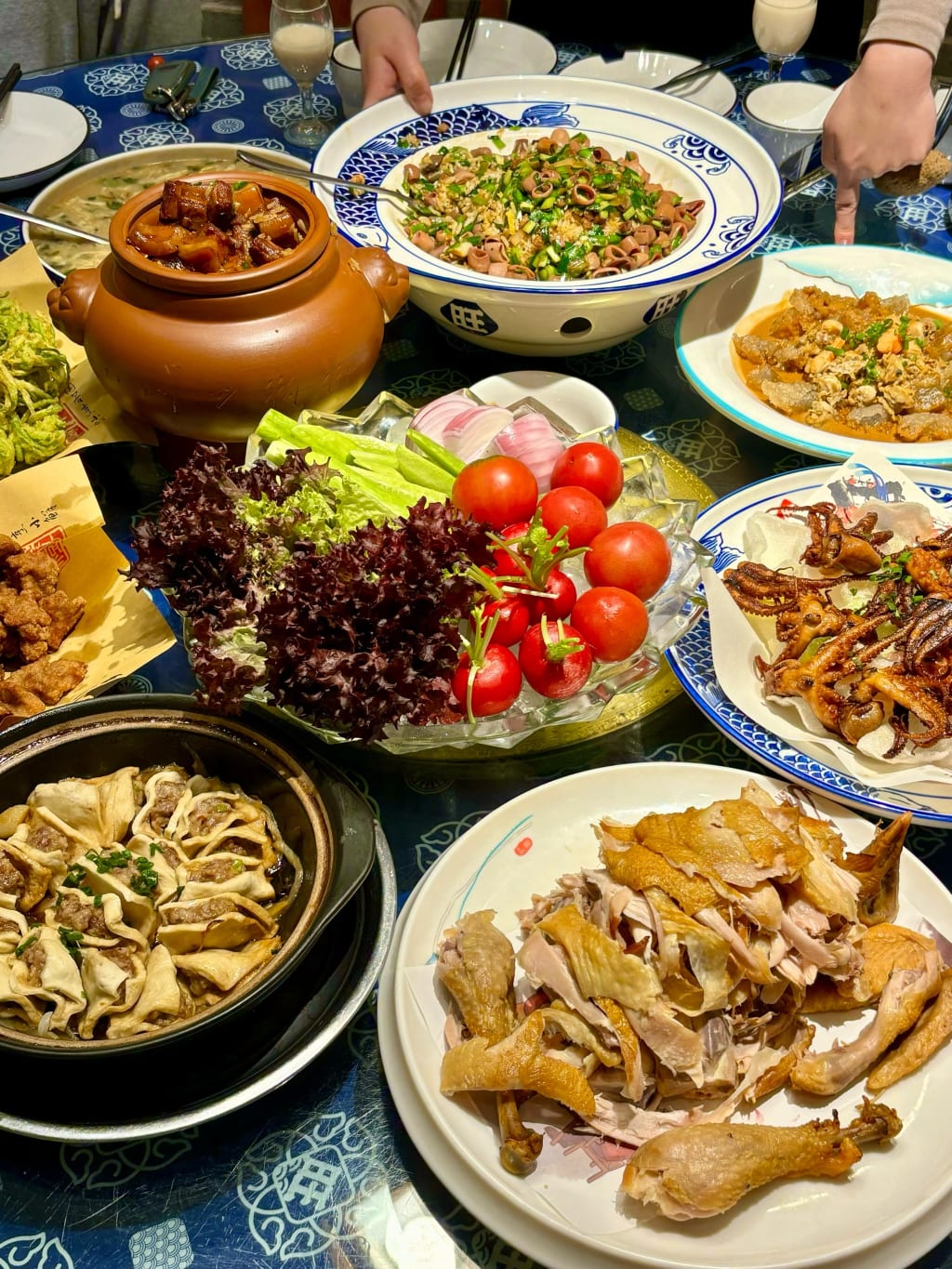
In the tapestry of Chinese cuisine, Shandong cuisine, also known as Lu cuisine, holds a place of honor as one of the most influential and time - honored culinary traditions. Originating from the Shandong province in northern China, it encapsulates the essence of the region, reflecting its rich history, geographical diversity, and cultural heritage.
A Storied Past Rooted in History
The history of Shandong cuisine can be traced back over 2,500 years to the Spring and Autumn Period. During this time, Shandong was a prosperous region with a flourishing economy, which provided the foundation for the development of its cuisine. As one of the birthplaces of Chinese civilization, the area was steeped in cultural traditions, and its cuisine was influenced by the teachings of Confucius, who emphasized the importance of proper food preparation and dining etiquette.
Over the centuries, Shandong cuisine has evolved and adapted. It became a favorite in the imperial courts during the Ming and Qing dynasties, which further elevated its status and refined its techniques. The cuisine's influence spread far and wide, serving as a model for many other northern Chinese cooking styles and even influencing the development of dishes in Beijing, the capital city.
The Bounty of Ingredients from Land and Sea
Shandong's geographical location endows it with an abundant supply of diverse ingredients. The province has a long coastline, making seafood a staple in Shandong cuisine. Fresh fish, crabs, shrimp, scallops, and clams are commonly used in dishes, with their natural flavors being carefully preserved and enhanced.
Inland, the fertile plains and mountainous regions yield a rich variety of agricultural products. Wheat, corn, and millet are staple grains, while vegetables such as Chinese cabbage, scallions, garlic, and ginger are widely used. The local livestock, including beef, mutton, and pork, also contribute to the rich and hearty nature of Shandong dishes. Additionally, Shandong is famous for its high - quality condiments, such as the well - known Jiaodong soy sauce, which adds a unique umami flavor to the cuisine.
Masterful Cooking Techniques
1.raising: Braising is a prominent technique in Shandong cuisine. Slow - cooked over low heat in a flavorful broth, meats and vegetables become tender and absorb the rich flavors of the seasonings. Dishes like Braised Sea Cucumber with Spring Onion are prime examples. The sea cucumber, a delicacy, is braised to a perfect texture and infused with the pungent and sweet flavor of the spring onion, creating a harmonious blend.
2.Frying: Frying is another important method. Whether it's the crispy exterior of Deep - Fried Prawns or the golden - brown crust of Fried Dumplings, frying in Shandong cuisine is carefully controlled to achieve the right balance of texture. The oil used is often of high quality, and the frying time and temperature are precisely adjusted to ensure that the food inside remains moist and flavorful.
3.Steaming: Steaming is a technique that preserves the natural nutrients and flavors of ingredients. In Shandong, steamed buns, known as mantou, are a staple food. Steamed fish is also popular, where the fish is seasoned simply and steamed to perfection, allowing the fresh taste of the fish to shine through.
4.Stir - Frying: Stir - frying is used to quickly cook a combination of ingredients, often with a medley of seasonings. This technique requires skill and speed to ensure that each ingredient is cooked evenly. Stir - fried dishes in Shandong cuisine often feature a harmonious blend of colors, textures, and flavors.
Signature Dishes that Define the Cuisine
1.Sweet and Sour Carp: This is a classic Shandong dish. The carp is carefully scored and deep - fried until the skin is crispy and the meat is tender. It is then topped with a tangy and sweet sauce made from sugar, vinegar, ketchup, and other seasonings. The dish is not only delicious but also a visual delight, with the fish's shape maintained and the sauce glistening on top.
2.Dezhou Braised Chicken: Hailing from Dezhou city in Shandong, this dish is famous for its tender and flavorful meat. The chicken is braised with a secret blend of spices, resulting in a dish that is so tender that the meat easily falls off the bones. The rich aroma and deep flavor of the braised chicken make it a favorite among locals and visitors alike.
3.Eight - Treasure Congee: A nourishing and flavorful porridge, it is made with a combination of eight different ingredients, which can include glutinous rice, red beans, mung beans, peanuts, dates, and lotus seeds. The congee is slow - cooked to a thick and creamy consistency, offering a warm and comforting meal, especially in the colder months.
Shandong Cuisine's Influence and Legacy
Shandong cuisine has had a profound impact on Chinese cuisine as a whole. Its techniques and flavor profiles have influenced the development of other northern Chinese cuisines, and its influence can also be seen in the cooking styles of Beijing and Tianjin. In modern times, Shandong restaurants can be found not only throughout China but also in many parts of the world, introducing the unique flavors of northern China to a global audience. Whether it's the hearty nature of its dishes, the masterful use of ingredients, or the refined cooking techniques, Shandong cuisine continues to be a testament to the rich culinary heritage of northern China.
About the Creator
hello-word
As a Chinese person, love for the culture of my own country. Nowadays, the global exchange of information is becoming increasingly rapid. I also hope that more people can gain a deeper and more detailed understanding of Chinese culture.
Keep reading
More stories from hello-word and writers in Feast and other communities.
Cantonese Cuisine
In the vast and diverse world of Chinese cuisine, Cantonese cuisine stands out as a beacon of freshness, innovation, and refined flavors. Hailing from the Guangdong province in southern China, Cantonese cuisine has a long and storied history that has been shaped by the region's geography, culture, and trade connections. At its core, Cantonese cuisine is a celebration of the natural flavors of ingredients, with a focus on freshness, balance, and harmony.
By hello-wordabout a year ago in Feast
Australia Fish and Seafood Market 2026: Sustainable Consumption, Aquaculture Growth & Premium Seafood Demand
Australia Fish and Seafood Market Australia’s fish and seafood market is expanding steadily as consumers increasingly prioritize high-quality protein sources and sustainable food options. Fish and seafood products—including salmon, tuna, shrimp, shellfish and other marine species—play a vital role in the Australian diet due to their nutritional value and culinary versatility. Growing awareness of seafood’s health benefits, particularly its omega-3 fatty acids, vitamins and minerals, is driving consumption across households, restaurants and foodservice channels.
By Amyra Singh2 days ago in Feast


Comments
There are no comments for this story
Be the first to respond and start the conversation.