

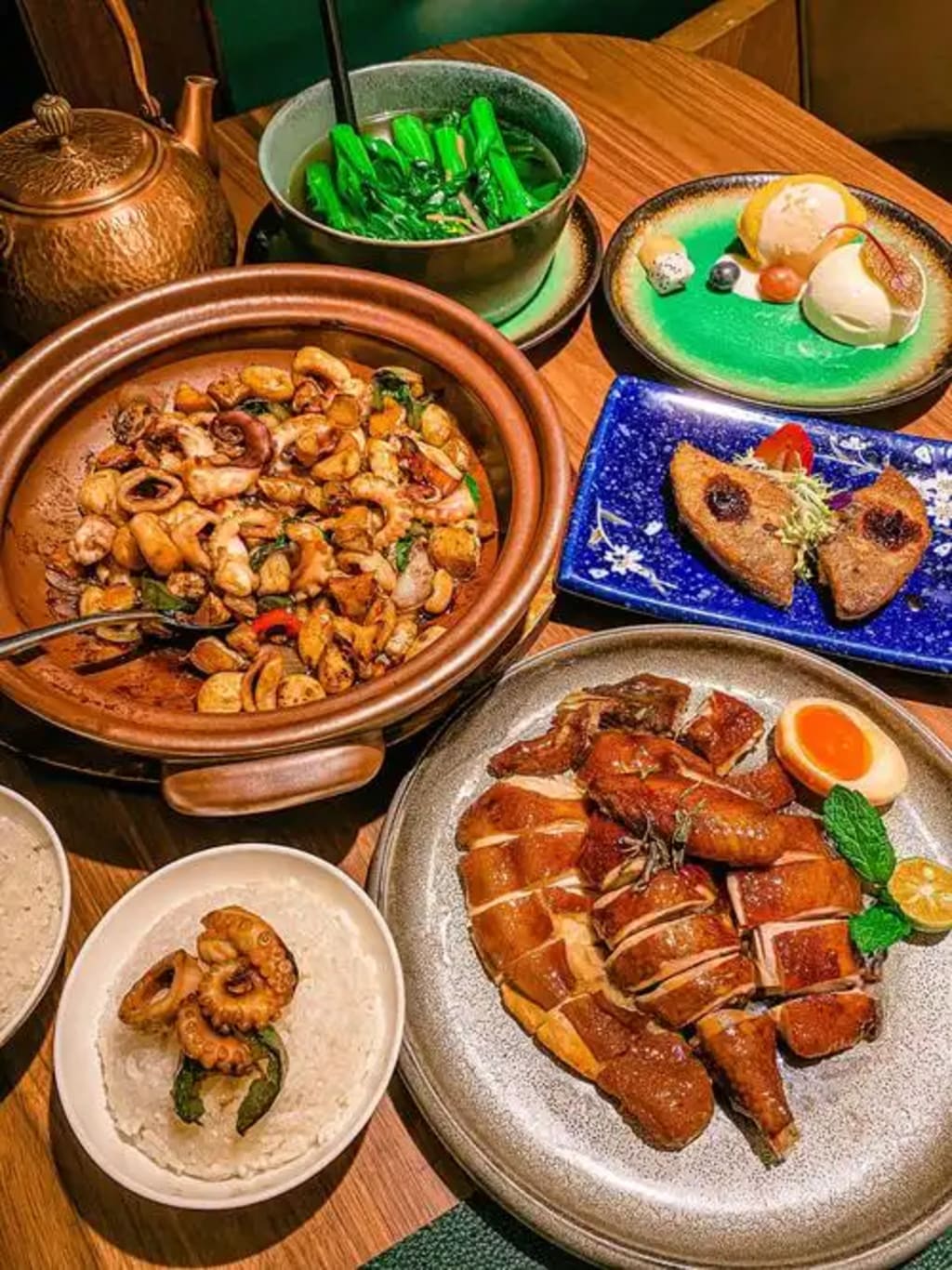
In the vast and diverse world of Chinese cuisine, Cantonese cuisine stands out as a beacon of freshness, innovation, and refined flavors. Hailing from the Guangdong province in southern China, Cantonese cuisine has a long and storied history that has been shaped by the region's geography, culture, and trade connections. At its core, Cantonese cuisine is a celebration of the natural flavors of ingredients, with a focus on freshness, balance, and harmony.
A Rich History and Cultural Heritage
The roots of Cantonese cuisine can be traced back over 2,000 years to the Qin Dynasty. Over the centuries, the region's strategic location along the southern coast of China has made it a hub of trade and cultural exchange, with influences from other parts of China, as well as from Southeast Asia, the Middle East, and Europe. These diverse influences have contributed to the development of a unique culinary style that is both traditional and modern, with a focus on using the freshest ingredients and the most innovative cooking techniques.
One of the defining characteristics of Cantonese cuisine is its emphasis on freshness. Cantonese chefs believe that the key to creating great-tasting food is to use the freshest ingredients possible, and they go to great lengths to ensure that their ingredients are of the highest quality. This means sourcing ingredients locally whenever possible, and using them as soon as they are harvested or caught. In addition, Cantonese cuisine places a strong emphasis on seasonality, with dishes being designed to showcase the best ingredients of each season.
The Art of Ingredient Selection
In Cantonese cuisine, the quality of the ingredients is of utmost importance. Cantonese chefs are known for their meticulous attention to detail when it comes to selecting ingredients, and they have a deep understanding of the different flavors, textures, and cooking properties of each ingredient. They also have a keen eye for freshness, and they can often tell just by looking at an ingredient whether it is of the highest quality.
One of the hallmarks of Cantonese cuisine is its use of a wide variety of ingredients. From fresh seafood and meats to vegetables, fruits, and herbs, Cantonese cuisine incorporates a diverse range of ingredients into its dishes. This allows for a great deal of creativity and flexibility in the kitchen, as chefs can combine different ingredients to create unique and delicious flavor combinations.
Another important aspect of ingredient selection in Cantonese cuisine is the use of local and seasonal ingredients. Cantonese chefs believe that using local and seasonal ingredients not only ensures the freshness and quality of the ingredients, but it also helps to support the local economy and reduce the carbon footprint of the food industry. In addition, using seasonal ingredients allows for a greater variety of flavors and textures in the dishes, as different ingredients are available at different times of the year.
Cooking Techniques: Steaming, Stir-Frying, and More
Cantonese cuisine is known for its diverse range of cooking techniques, each of which is designed to bring out the best in the ingredients. Some of the most common cooking techniques used in Cantonese cuisine include steaming, stir-frying, roasting, braising, and deep-frying.
Steaming is one of the most popular cooking techniques in Cantonese cuisine, as it is a gentle and healthy way to cook food that preserves the natural flavors and nutrients of the ingredients. Steamed dishes are often served as appetizers or main courses, and they can include a variety of ingredients, such as fish, seafood, dumplings, and vegetables.
Stir-frying is another important cooking technique in Cantonese cuisine, as it allows for quick and efficient cooking of ingredients over high heat. Stir-fried dishes are typically made with a combination of meat, seafood, vegetables, and noodles or rice, and they are often seasoned with a variety of sauces and spices.
Roasting is a popular cooking technique in Cantonese cuisine, especially for meats such as pork, duck, and chicken. Roasted meats are often served as main courses, and they are known for their crispy skin and tender, juicy meat.
Braising is a slow-cooking technique that is used to tenderize tough cuts of meat and vegetables. Braised dishes are typically made with a combination of meat, vegetables, and a flavorful sauce, and they are often served as main courses.
Deep-frying is a cooking technique that is used to cook food quickly and evenly in hot oil. Deep-fried dishes are often served as appetizers or snacks, and they can include a variety of ingredients, such as chicken wings, spring rolls, and dumplings.
Signature Dishes: A Feast for the Senses
Cantonese cuisine is home to a wide variety of signature dishes that are beloved by food lovers around the world. Some of the most famous Cantonese dishes include:
Dim Sum: A variety of small, bite-sized dishes that are typically served for breakfast or brunch. Dim sum dishes can include a variety of ingredients, such as dumplings, buns, rolls, and pastries.
Roast Duck: A classic Cantonese dish that is made by roasting a duck until the skin is crispy and the meat is tender and juicy. Roast duck is often served with a variety of dipping sauces, such as hoisin sauce and plum sauce.
Sweet and Sour Pork: A popular Cantonese dish that is made by frying chunks of pork and then coating them in a sweet and sour sauce. Sweet and sour pork is often served with rice or noodles.
Steamed Fish: A healthy and delicious Cantonese dish that is made by steaming a whole fish and then seasoning it with a variety of sauces and spices. Steamed fish is often served as a main course.
Congee: A type of rice porridge that is typically served for breakfast or as a light meal. Congee can be made with a variety of ingredients, such as meat, seafood, vegetables, and herbs.
The Global Influence of Cantonese Cuisine
Over the years, Cantonese cuisine has become increasingly popular around the world, thanks in part to the large number of Cantonese immigrants who have settled in other countries. Today, Cantonese restaurants can be found in cities all over the world, and Cantonese cuisine has had a significant influence on the development of other cuisines, such as American Chinese cuisine and British Chinese cuisine.
In addition to its popularity as a dining option, Cantonese cuisine has also had a significant impact on the food industry as a whole. The use of fresh ingredients, innovative cooking techniques, and bold flavors that are characteristic of Cantonese cuisine have inspired chefs and food lovers around the world to experiment with new flavors and ingredients, and to create new and exciting dishes.
Conclusion
Cantonese cuisine is a rich and diverse culinary tradition that is celebrated around the world for its freshness, innovation, and refined flavors. From its humble beginnings in the Guangdong province of southern China, Cantonese cuisine has evolved into a global phenomenon that has had a significant impact on the development of other cuisines. Whether you are a fan of dim sum, roast duck, or sweet and sour pork, there is no denying the deliciousness and appeal of Cantonese cuisine. So the next time you have the opportunity to try some Cantonese food, be sure to savor the experience and appreciate the artistry and craftsmanship that goes into creating each and every dish.
About the Creator
hello-word
As a Chinese person, love for the culture of my own country. Nowadays, the global exchange of information is becoming increasingly rapid. I also hope that more people can gain a deeper and more detailed understanding of Chinese culture.
Keep reading
More stories from hello-word and writers in Feast and other communities.
Exploring the Rich Tapestry of Chinese Cuisine: A Guide to the Major Cuisines
Chinese cuisine is a culinary treasure trove, celebrated worldwide for its diverse flavors, techniques, and cultural significance. With a history spanning thousands of years, it has evolved into a complex system of regional cuisines, each with its own unique characteristics. Among these, the eight major cuisines stand out as the pillars of Chinese gastronomy, representing the rich tapestry of Chinese culture and geography.
By hello-wordabout a year ago in Feast
Crispy, Buttery Tarts with the Aromatic Sweetness of Fresh Fruits
Tarts are a type of baked good with European origins that have gained worldwide popularity. Their unique characteristic is a crisp, buttery pastry shell filled with a variety of flavors, whether it's smooth custard, luscious fresh cream, or sweet and tangy fresh fruits. Taking a bite of a tart offers a combination of crunch, creamy richness, and the refreshing taste of the filling all at once. For those who enjoy baking, making tarts at home is not as difficult as it might seem. Simply understanding the basic components and steps allows you to create these delightful little bites of deliciousness.
By Kenneth Ethan Carl4 days ago in Feast
Guard Your Battery
Why are some people so attractive just by standing there? It’s not because they are "likable," but because they don’t need everyone to like them. I realized later that truly charismatic people allow themselves to be criticized, but they never criticize themselves. They never try to please the world; instead, the world stops to watch them.
By Emily Chan - Life and love sharing5 days ago in Poets


Comments
There are no comments for this story
Be the first to respond and start the conversation.