
Rice Without Borders
International Dishes to Try at Home

The kitchen is a place where borders blur; it has always been. Ingredients travel, techniques adapt, and dishes evolve as they move from one culture to another. Rice, in particular, has a way of absorbing the flavors and traditions of the places it touches.
This simple grain easily transforms into a canvas for local spices, regional produce, and different cooking methods. The result is a collection of dishes that tell stories of migration, trade, and creativity, all centered around a single staple.
The Language of Rice
Rice speaks in different languages depending on where it is being prepared. In some places, it is steamed to perfection, each grain distinct and fragrant. In others, it is simmered slowly, absorbing the essence of broths and spices until it becomes something rich and complex. The methods may vary, but the principle remains the same: rice has a unique ability to reflect the character of a cuisine.
It is exactly this adaptability that makes rice dishes so compelling. They carry the imprint of their origins, offering the taste of a place without the need for explanation. The scent of saffron in a pot of rice evokes the markets of the Middle East, while the smoky heat of a spiced rice dish can transport someone to the streets of Southeast Asia. The grain itself does not change, but the way it is treated reveals the priorities and preferences of the people who cook it.
There is also the matter of ritual. The preparation of rice is often tied to tradition, a process passed down through generations. The way it is being washed, the ratio of water to grain, the choice of pot… all these details contribute to the final dish. Even the most straightforward recipes carry the weight of history, a reminder that cooking is never just about sustenance.
The Slow Simmer of Comfort
Some of the most beloved rice dishes are those that take time. The gradual cooking process allows flavors to meld, turning simple ingredients into something greater than the sum of their parts. A pot of rice simmered with tomatoes, peppers, and spices is more than a side dish; it is the heart of the meal.
In Italy, the process of making Italian risotto is a study in patience. The rice is toasted gently in butter, then coaxed into creaminess with slow additions of warm broth. The stirring is constant, almost meditative, ensuring that each grain releases its starch and absorbs the liquid evenly. The result is a dish that is both luxurious and comforting.
The beauty of such dishes lies in their simplicity. There are no shortcuts, no substitutions that can replicate the depth of flavor achieved through time and attention. The rice, in this case, is not merely a base but the main event, its creamy consistency and rich taste the result of a method perfected over centuries.
The Heat of Celebration
Not all rice dishes are about subtlety. Some are bold, designed to make an impression with their intensity and complexity. These are the dishes that appear at gatherings, the ones that fill a room with their aroma and leave a lasting memory.
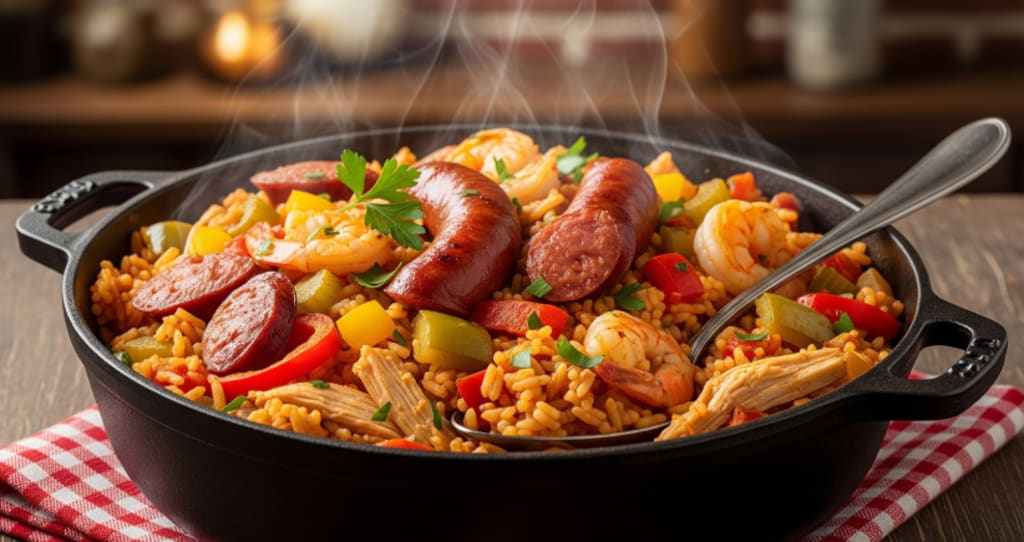
New Orleans jambalaya exemplifies this spirit. It is a dish that embraces excess, combining rice with an array of meats, vegetables, and spices. The flavors are layered, each ingredient contributing to a final product that is as vibrant as the city it comes from. The rice, cooked in a deeply seasoned broth, soaks up the essence of smoked sausage, chicken, and seafood, becoming a vehicle for the bold, spicy notes that define Creole cuisine.
What makes jambalaya remarkable is its ability to bring people together. It is a dish meant to be shared, served in large portions, and eaten with enthusiasm. The combination of textures and flavors creates an experience that is as much about the meal as it is about the moment.
The Fragrance of Memory
Certain rice dishes are inextricably linked to the senses. The scent of jasmine rice steaming in a pot can evoke the tropics, its floral aroma lingering in the air long after the meal is finished. The addition of coconut milk or pandan leaves enhances this effect, turning a simple bowl of rice into something remarkable.
In other parts of the world, rice is cooked with spices that fill the kitchen with warmth. Cardamom, cloves, and cinnamon infuse the grain, their fragrance signaling the start of a meal. The rice itself may be secondary to the accompanying curries or stews, but its role is essential. It provides a neutral counterpoint, allowing the other flavors to shine while adding its own subtle complexity.
The Unexpected Twist
Some of the most interesting rice dishes are those that defy expectations. They take a familiar ingredient and use it in ways that feel fresh and surprising. A dish that combines rice with unexpected flavors — perhaps citrus and herbs, or nuts and dried fruit — can challenge preconceptions about what rice can be.
The appeal of these dishes lies in their versatility. Rice can be sweet or savory, spicy or mild, hearty or light. It can be the star of the plate or a supporting player, depending on how it is prepared. This flexibility is what allows it to appear in so many different forms, from the delicate sushi of Japan to the hearty paella of Spain.
The willingness to experiment with rice, to treat it as more than just a side, opens up a world of possibilities. It encourages a deeper engagement with cooking, a curiosity about the ways in which a single ingredient can be transformed. The kitchen becomes a laboratory, a place where tradition and innovation coexist.
A Meal as a Map
Cooking rice dishes from around the world is a way of tracing connections. It reveals the shared threads that run through different cuisines, the common techniques and flavors that appear in unexpected places. A dish that begins in one country may find a new expression in another, adapted to local tastes and ingredients but still recognizable at its core.
This culinary cartography is all about exploration. It is an acknowledgment that food is always evolving, shaped by the people who cook it and the places they call home. The act of preparing these dishes becomes a way of honoring those connections, of recognizing how food brings people together.
The final result is more than just a meal. It is a reminder that the kitchen is a place of endless discovery, where even the most familiar ingredients can lead to something new. The borders that separate cuisines are not barriers, but invitations to explore further.
About the Creator
Angela Ash
Angela Ash is an expert writer with a unique voice and fresh ideas. She focuses on topics related to business, mental health, travel and music.
Keep reading
More stories from Angela Ash and writers in Feast and other communities.
The Silent Shuffle
If you’ve noticed the office getting quieter… it’s not your imagination. Employees aren’t storming out dramatically. They’re quietly quitting. Slowly disengaging. Doing just enough to get by. And while managers scramble to order pizza or host town halls… millions of workers are already eyeing gig work, freelancing, contracting… calling themselves “independent operators” and updating LinkedIn like it’s a runway.
By Angela Ash3 months ago in Motivation


Comments
There are no comments for this story
Be the first to respond and start the conversation.