
Rice: Unveiling the Grains of Fascination
Staple food
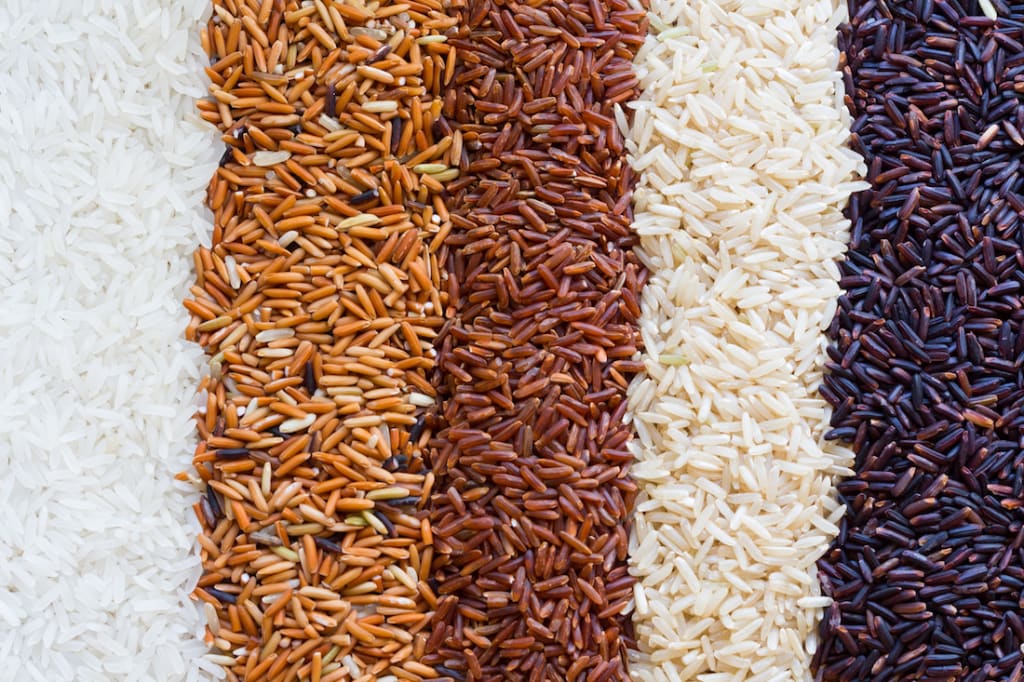
Rice, the staple food of billions of people around the world, has an incredible history and an abundance of interesting facts that make it a truly fascinating grain. From its rich cultural significance to its diverse varieties and nutritional value, rice holds a special place in the hearts and plates of countless individuals. In this blog, we will dive into the captivating world of rice, unraveling intriguing facts that shed light on its global importance and make us appreciate this humble grain even more.
Origins and Global Importance:
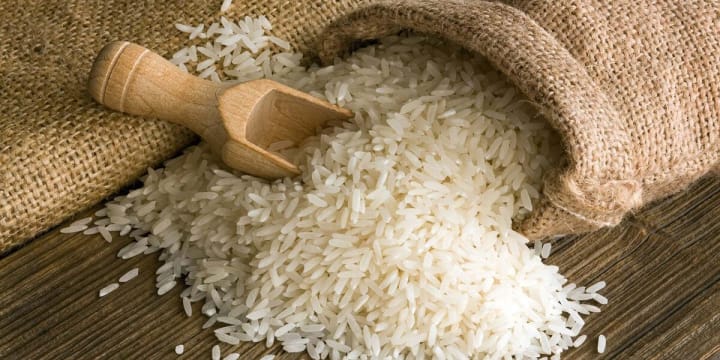
Rice cultivation dates back thousands of years, with evidence of its cultivation found in China as early as 5000 BC. Today, rice is the most widely consumed staple food for a significant portion of the world's population, particularly in Asia, Africa, and Latin America. It plays a vital role in food security and economic stability in many countries.
Rice in Ancient Civilizations:
Rice played a significant role in the development of ancient civilizations. In ancient Egypt, rice was considered a luxury item and was even used as a form of currency. The Indus Valley Civilization, one of the world's earliest urban civilizations, cultivated rice as a staple crop. These historical connections highlight the enduring importance of rice as a cultural and economic force throughout human history.
Variety and Versatility:
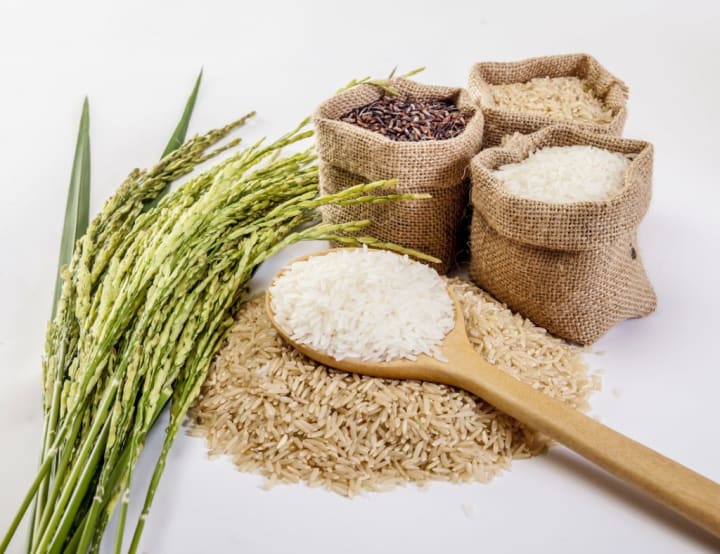
Rice comes in an astonishing array of varieties, each with its unique characteristics and culinary applications. From long-grain basmati rice to sticky glutinous rice, and from fragrant jasmine rice to nutty brown rice, the diversity is astounding. Different rice varieties have varying textures, flavors, and cooking properties, making them suitable for a wide range of dishes, including risottos, biryanis, sushi, paella, and more.
Cultural Significance:
Rice holds immense cultural significance in various societies around the world. In many Asian cultures, rice symbolizes fertility, prosperity, and sustenance. It is often a part of religious rituals, festivals, and traditional ceremonies. In Japan, the act of cultivating and preparing rice is considered an art form and is deeply ingrained in the country's heritage.
Nutritional Powerhouse:
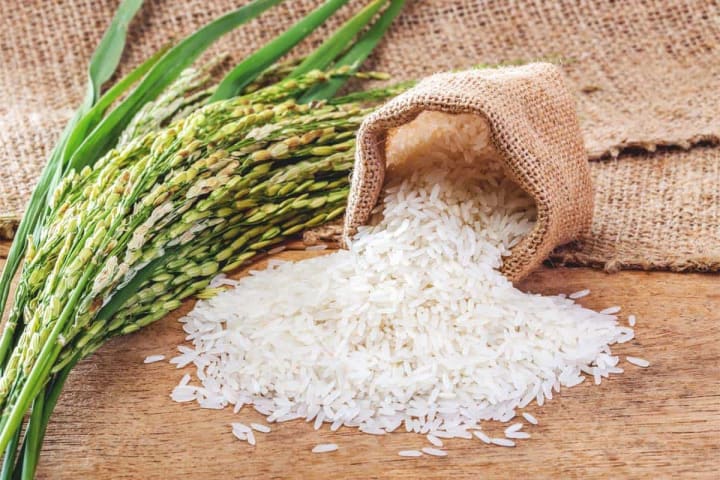
Rice is not only a filling and versatile grain, but it also boasts several nutritional benefits. While different types of rice may vary in nutrient content, rice is generally a good source of carbohydrates, providing energy and fuel for the body. Brown rice, in particular, retains its bran and germ layers, making it a rich source of fiber, vitamins, and minerals. Additionally, rice is naturally gluten-free, making it suitable for those with gluten sensitivities or celiac disease.
Water Wisdom:
Rice cultivation requires substantial water resources, accounting for a significant portion of global water consumption. Interestingly, traditional rice-growing regions often employ ingenious irrigation systems that have been in use for centuries. Examples include the terraced rice fields in Bali, Indonesia, and the paddy fields of the Mekong Delta in Vietnam. These innovative methods not only conserve water but also enhance agricultural productivity.
Environmental Impact:
While rice is a vital food source, its cultivation can have environmental implications. The anaerobic conditions created in flooded rice paddies release methane, a potent greenhouse gas. However, ongoing research aims to develop more sustainable rice cultivation practices, including alternate wetting and drying techniques and the use of rice varieties with lower methane emissions.
Rice is a grain that transcends borders and cultures, offering sustenance, cultural significance, and a source of livelihood for millions. From its diverse varieties to its impact on agriculture and environment, the story of rice is one of fascination and continuous evolution. As we savor a plate of rice, let us appreciate the rich history and unique traits of this remarkable grain, acknowledging the invaluable role it plays in our lives and the global food landscape.
About the Creator
Keep reading
More stories from Karthiga Elangovan and writers in Feast and other communities.
Authentic Tamil Nadu Fish Curry
Tamil Nadu, a state in southern India, boasts a rich culinary heritage that includes a myriad of vibrant flavors and aromatic spices. Among the diverse range of traditional dishes, Tamil Nadu fish curry holds a special place in the hearts of seafood lovers. This lip-smacking delicacy, prepared with fresh fish and a tantalizing blend of spices, is a true reflection of the state's culinary prowess. In this blog, we will take you on a gastronomic journey, unraveling the secrets of the authentic Tamil Nadu fish curry recipe that will leave your taste buds craving for more.
By Karthiga Elangovan 3 years ago in Feast
I Discovered A Better Way To Cook Cabbage
I recently posted this question on Facebook: I was surprised by some of the answers, especially about cabbage. Chicken: 40% Cabbage: 30% Salmon: 20% Others: 10% (including steak, crab cakes, fish, chili dogs, chicken salad, mac and cheese, cold cuts, potatoes, and ham)
By Margaret Minnicksa day ago in Feast
Grilled Salmon on Himalayan Pink Salt Bricks: Extraordinary Taste
That smoky piece of grilled salmon? People love how it tastes, full and hearty, yet light on the body thanks to good fats. Still, nailing the taste at home trips up plenty - too much salt shows up fast, or worse, the flesh turns stiff and parched before it's done.
By Hendra Edwardabout 9 hours ago in Feast




Comments