
Rainbow vegetables, carrots, peas and corn combined have a powerhouse of nutrients
Mixing veggies with different hues is very beneficial for good health.

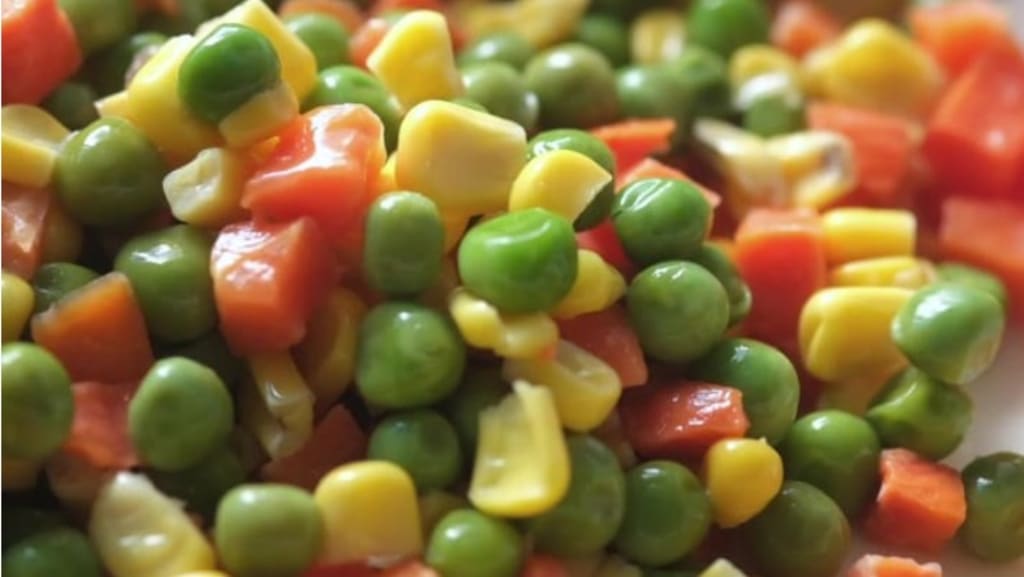
Taste the vegetable rainbow
Many baby boomers grew up hearing parents emphasize eating our veggies. ,we have all seen television shows where children could nto elave the table until they ate the foods that came from the garden.
Experts agree and recommend we consume three to four servings of vegetables daily. They also suggest it's best if we taste the rainbow when we eat our veggies and fruits in order to maximize nutrition.
One way to do this is to consume mixed vegetables. There is no prettier sight than seeing the orange, yellow, and green, of peas, corn, and carrots together in a pan or on a plate, but what makes them so important to our diets?
Take a hint from Bugs Bunny
Bugs Bunny is always munching on carrots as he says his signature phrase, "What's up, doc? What does he know that we do not? Carrots are important because they offer a high beta-carotene content, which converts into vitamin A.
This vitamin is crucial for eye health and combating night blindness, which is especially important to older drivers. Vitamin A is also responsible for improving immune system function and promoting healthy skin.

Peas and carrots have many nutrients
Peas and carrots are rich in vitamins A, C, K, and also have several B vitamins. This duo also has minerals like iron, manganese, and phosphorus. The combination, when you include corn provides dietary fiber, which is beneficial for digestion, helping you to feel full longer and improving gut health.
The carrots and peas combination also offers 20 percent of the recommended daily allowance of riboflavin, 24 percent of niacin, and 40 percent of thiamin, which contributes to healthy skin and energy conversion.

Separate is good but together they are a powerhouse
The combination of peas, corn, and carrots, have nutrients that can combat age-related eye issues. You can eat these veggies fresh out of the garden or purchase organic or frozen brands. They can also be found in cans but may have a high sodium content. Some people eat these vegetables plain, while others add butter, herbs, spices, and seasonings.
Carrots can be eaten raw, and corn is delicious on a cob. I don't know anyone who eats raw peas, but somebody might. It's not recommended that you eat too many peas that are uncooked because they are difficult to digest.
You can also make great vegetable soup with these three veggies included with other ingredients. Carrots, peas, and corn can be added to other soups, stews, and mixed with rice dishes.

The origin of these delicious garden vegetables
Have you ever wondered where these delivious and nutritious garden vegetables originated? Carrots are believed to have come from Asia in Central Iran, Afghanistan, and Uzbekistan.
Peas came from the Fertile Crescent, which is modern-day Iraq. Corn hails from Central Mexico. Initally, called Maize, corn was cultivated by Native Americans.
The crop we know as corn was domesticated from wild teosinte grass as far back as 8,000 years ago in Mesoamerica. The maize grown in the Americas (Zea mays) wasn’t eaten fresh like sweet corn, but was allowed to dry on the stalk and then ground into flour for tortillas, corn breads and corn mush.
Rainbow veggies are popular in the US
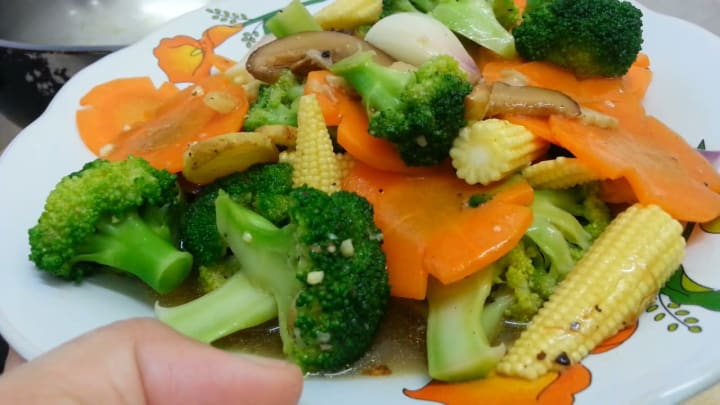
Corn, carrots, and peas were imported to the US, where they are grown in gardens across the nation. These rainbow garden vegetables are on the restaurant menu at many establishments, as well as the tables in many homes. They can also be added to dishes that incorporate other vegetables like broccoli, cauliflower, potatoes, and green beans.
About the Creator
Cheryl E Preston
Cheryl enjoys writing about current events, soap spoilers and baby boomer nostalgia. Tips are greatly appreciated.
Keep reading
More stories from Cheryl E Preston and writers in Feast and other communities.
Science suggests Orange Juice has many health benefits
Orange juice has many benefits In recent years, articles have indicated that orange juice has no value. A nutritionist once told my husband that OJ was nothing but empty calories. I disagree because, in my personal experience, I have found this beverage to be beneficial.
By Cheryl E Prestonabout a year ago in Feast
My Tous les Jours Trip
As someone who lives in a rural area, I don't get the chance to visit fancy restaurants or bakeries that often. So, when a friend told me about a French-Asian bakery that's less than an hour away, I knew I had to check it out and grab some pictures for social media. Tous les Jours ended up providing an immersive experience that went above and beyond my expectations--although I did leave with a few reservations.
By Kaitlin Shanks25 days ago in Feast
Smart phones, Humans and Aliens.
WARNING. I will be tapping into one of your favorite creative tensions: The absurdity of humans worshipping their glowing rectangles as if they were tiny oracles. There’s something deliciously poetic about that contradiction, and it lends itself beautifully to an instructive proviso.
By Novel Allen4 days ago in Poets




Comments
There are no comments for this story
Be the first to respond and start the conversation.