
Pour-Over Brewing for Personalized Coffee Flavor
Tailoring Coffee Taste through Advanced Brewing Methods


Pour-over coffee has become an increasingly popular brewing method among coffee enthusiasts. This manual approach gives the brewer precise control over each step of the process, from grind size and water temperature to pour rate and technique. The result is a customizable cup of coffee tailored to your personal preferences. But achieving coffee perfection through pour-over requires practice and experimentation with advanced brewing skills. This article will dive deep into pour-over techniques for extracting the optimal flavors from coffee beans. Let's begin the journey toward your new favorite cup of joe!
First, what exactly is pour-over coffee? Simply put, it involves slowly pouring hot water over coffee grounds to produce a concentrated, flavorful coffee extract. Unlike batch brewing methods like drip machines, the pour-over allows for meticulous, hands-on control from start to finish. The basic components are simple - a cone-shaped dripper, filter, and your choice of grind size and coffee beans. But don't let its simplicity fool you; pour-over brewing is a science and an art.
The beauty of pour-over lies in its flexibility - it can be customized to bring out subtle flavor nuances based on your coffee bean selection, preferred strength, and taste profile. From fruity and floral to rich and chocolatey, pour-over can enhance the tasting experience. That's why coffee connoisseurs are increasingly turning to advanced pour-over techniques to make their perfect brew. This article will guide you through the factors that influence flavor - from grind size and water quality to pouring and agitation methods - and provide actionable tips for experimentation. Soon you'll be taste-testing new recipes and impressing your coffee klatch with your pour-over prowess!
The Science Behind Pour-Over Coffee
So why does pour-over produce such a markedly different cup compared to other manual brewing methods like the French press? It comes down to how the water extracts flavor compounds from the coffee grounds.
During pour-over, only the finer coffee particles at the bottom of the filter bed come into direct contact with the water. This slow, steady water movement extracts sweetness and aromatic compounds but leaves behind much of the bitterness and sediment. The end result is a clean, nuanced cup.
Proper extraction during pour-over depends on optimizing several variables:
- Grind size - Finer grinds lead to increased extraction but also risk over-extraction if too powdery. The right grind promotes even water flow.
- Water temperature - The ideal range is 195°F to 205°F. Too hot scorches the grounds, while too cold under-extracts.
- Pour rate and technique - A consistent, circular pour promotes even saturation and extraction.
- Brew time - Between 2-4 minutes is ideal for proper extraction without over-extraction.
Mastering these variables unlocks the full flavor potential and allows you to zero in on your perfect pour-over.
Exploring Variations in Pour-Over Equipment
The components you choose for your pour-over setup can significantly impact the final product. Let's look at the key differences between various drippers and filters:
Drippers:
- V60 - Cone-shaped with spiraling ridges. Produces bright, crisp cups perfect for fruity coffees.
- Chemex - Hourglass shape with thick paper filter. Mutes acids and oils for a cleaner brew.
- Kalita Wave - Flat-bottomed with three small holes. Flow restrictors enhance extraction control.
- Bee House - Cone with straight sides. Highlight sweetness and complexity in lighter roasts.
Filter Materials:
- Paper - Absorbs oils and sediments. Different porosities are available.
- Metal - Reusable; allows oils and sediments through.
- Cloth - Also reusable; produces rich, full-bodied coffee.
Test out a few different drippers and filters to see what best brings out the tasting notes you prefer. For example, the Chemex may excel at toning down the bitterness in dark roasts. Don't be afraid to geek out on the equipment details!
Customizing Grind Size and Consistency
Dialing in the ideal grind size is a crucial step in tailoring pour-over taste. The grind directly impacts the rate of water flow and extraction. Generally, the finer the grind, the more surface area is exposed to the water, leading to increased extraction. Findings The optimal range takes experimentation.
Too fine, and the water will flow through the filter too slowly. This risks over-extraction and a bitter, muddy cup. Too coarse, and the water will pass through too quickly. This can lead to sour, weak coffee. Target a grind with the consistency of Kosher or table salt for a good starting point.
Consistency also matters! An even grind maximizes extraction, while too many fines and boulders create an imbalanced brew. Investing in a high-quality burr grinder helps achieve uniformity. Change grinds incrementally - like 2-3 clicks at a time on a Baratza Encore - and pay attention to differences in taste. Keeping detailed tasting notes is key to dialing in your perfect grind profile.
Water Matters: Temperature, Quality, and Ratio
Water is the most crucial ingredient for pour-over excellence. Start with pure, filtered water to let the coffee's natural flavors shine. Hitting the optimal temperature - around 200°F - extracts the best balance of sweetness, acidity, and aromatics. Go much higher, and you risk burning the grounds.
Equally important is the coffee-to-water ratio. The Specialty Coffee Association recommends 60g of coffee per 1 liter of water. But you can adjust ratios based on preferred strength. Want a stronger concentrate? Use 70-80g of coffee per liter. Prefer a milder cup? Go with 55g per liter.
Don't be afraid to geek out and get precise with temperatures and ratios. Those subtleties make a big difference in your final brew. You can also invest in gooseneck kettles with built-in thermometers for temperature control. Dial in the factors that bring out the tasting notes you enjoy most.
Mastering Pouring Techniques
Your pouring technique directly impacts how efficiently the water extracts flavors from the coffee bed. The key is to aim for even saturation and extraction. Here are some tips:
- Maintain a consistent pour rate. Too fast will disturb the grounds, and too slow will cause uneven saturation.
- Pour in concentric circles moving from the center outward. This promotes uniform extraction.
- Try pulse pouring - alternating short bursts of pouring and pausing. Allows grounds to degas between pours.
- Experiment with "blooming" - pouring a bit of water to saturate the grounds, then waiting 45 secs before pouring the rest.
- Stir grounds after blooming with a chopstick or spoon handle to saturate evenly.
Observe how variations in your pour approach affect the taste. Keep adjusting your technique based on the coffee origin and your flavor preferences. A delicate floral Ethiopian bean may prefer a gentle center pour, while a chocolatey Brazilian can handle aggressive spiraling pours. Get creative!
Water Agitation Techniques for Enhanced Extraction
Another factor you can manipulate is the degree of agitation in the slurry. Introducing controlled water turbulence during the brewing process can enhance extraction for bolder coffee. Try swirling the dripper in a circular motion mid-pour or giving the grounds a vigorous stir with a chopstick.
Conversely, minimizing agitation can highlight fruity and floral tasting notes. For a lighter-bodied brew, pouring gently down the dripper sides is ideal. Pay attention to how agitation levels influence the taste balance between sweetness, acidity, and body. Again, taking detailed brewing notes is invaluable in honing your ideal agitation technique.
Unlocking Flavor Possibilities through Bean Selection
The coffee beans themselves offer a universe of flavor possibilities to explore through pour-over. Leaning into the unique qualities of single-origin beans or blending your own combinations allows for limitless creativity.
Lighter roasted beans from Africa and Latin America tend to shine bright with pour-over. Think juicy, berry-like Ethiopian coffees or creamy caramel Brazilians. Darker roasts, like full-bodied Sumatrans, can be balanced and smoothed out. For more intense chocolate and spice notes, try a natural or honey-processed coffee.
Don't be afraid to blend beans from multiple origins to create your own signature flavor profile. Try a mix of 70% floral Colombian and 30% earthy Indonesian. Dialing in pour-over variables to complement your bean selection is key to maximizing taste.
Case Studies: Creating Unique Pour-Over Recipes
To inspire your own pour-over experimentation, let's walk through two case studies of crafting personalized recipes:
Case 1 - Ethiopian Floral Enhancer
Bean: Ethiopian Yirgacheffe, light roast
Goal: Maximize delicate florals and tea-like qualities
Recipe:
- Mahlkönig EK43 grinder at 2.8.0 setting for fine grind with slight boulders
- 22g dose in V60 dripper
- 200°F filtered water, 60g/liter ratio
- 45-second bloom pour, gentle swirl with a spoon
- Gentle center pour in spirals at 2oz/30sec rate
3:15 total brew time
Outcome: Vibrant, complex floral notes of jasmine tea, lime zest, and melon. Silky body with balanced sweetness and acidity.
Case 2 - Sumatran Bold and Syrupy
Bean: Sumatran Mandheling, medium roast
Goal: Tame harshness and yield rich, full body
Recipe:
- Baratza Encore at 18 grind setting, moderately fine
- 30g dose in Kalita Wave 185 dripper
- 205°F filtered water, 70g/liter ratio
- No bloom, center pour in pulses with an occasional swirl
4:00 total brew time
Outcome: Deep chocolate and pipe tobacco flavor with lower acidity. A heavy, syrupy body with a smooth velvety finish.
Hopefully, these real-world examples provide inspiration for developing your own personalized recipes! Keep notes on what works and have fun with the process.
Incorporating Pre-Infusion for Optimal Extraction
Pre-infusion is a technique used by advanced baristas to enhance extraction potential. The concept involves soaking the coffee bed with a portion of water and allowing the grounds to degas before proceeding with the main pour.
This process gently saturates the grounds and prepares them for full immersion. To implement pre-infusion:
- Add about 50-75g of water (or half of the final volume)
- Gently stir or swirl to spread across the surface of the grounds
- Allow 30-90 seconds of dwell time
- Then proceed with the main pour
By allowing CO2 and small particles to escape before brewing, pre-infusing maximizes the extraction during the main pour. This promotes a more balanced and nuanced cup, enhancing sweetness and aromatics. The key is finding the ideal pre-infusion time for your roast level and bean type.
From Novice to Expert: Progressing in Personalized Pour-Over
Mastering pour-over brewing is a journey - expect to build expertise through continuous learning gradually. Here are some tips for progressing at any stage:
- Start with an accessible dripper like V60 and medium roast beans. Focus on dialing in the pour rate and grind size.
- Keep a coffee-tasting journal with grind settings, recipe variables, and flavor notes. Review periodically to connect cause and effect.
- Watch tutorial videos and take classes to learn from pour-over pros. Join online coffee communities to exchange ideas.
- Upgrade equipment incrementally. Add a gooseneck kettle and burr grinder before exploring new drippers or beans.
- Don't be intimidated! Allow yourself to enjoy the process and have fun experimenting. Taste, tweak, repeat.
With practice and an openness to learn, anyone can progress from a pour-over novice to an expert. Savor the incremental improvements, and let your taste preferences guide you - not coffee dogma. The journey itself toward your perfect cup is rewarding.
The Role of Brew Time and Extraction Yield
Brew time and extraction yield are two key variables to consider when seeking to manipulate flavor and body. While the Specialty Coffee Association suggests an ideal brew time of 2:30 - 4:00 minutes, you can adjust this target based on taste preferences.
Shorter brew times below 2:00 tend to yield lighter-bodied, tea-like cups with a subtle sweetness. You'll sacrifice some complexity in favor of delicacy. Extending brew times beyond 4:00 leads to increased extraction, resulting in a richer, fuller body with more intense roast flavors. But too long risks astringency.
Dialing in brew time depends on your bean selection and desired strength. Lighter roasts and fruity coffees often shine around 2:30, while deeper roasts can handle upwards of 4:00. Play with times in 15-second increments to pinpoint differences in taste.
As for extraction yield, aim for 18-22% - meaning 18-22% of the coffee's soluble mass gets extracted. Too low below 18% tastes weak and sour, while too high above 22% risks over-extraction. Weighing coffee grounds before and after brewing lets you calculate yield. Adjust grind size, brew time, and agitation to hit your target flavor strength.
Temperature Stability: Maintaining Consistent Heat
Fluctuations in water temperature mid-brew can throw off extraction and create imbalanced flavors. Ensure temperature stability with these tips:
- Preheat your dripper by rinsing with hot water while the kettle reboils
- Invest in a gooseneck kettle with adjustable temperature controls
- Try "temperature surfing" - pouring hot water into the kettle periodically during brewing
- If using a standard kettle, maintain a hot water source like an electric urn
- Brew in small batches that use 1-2 kettlefuls to minimize temperature drops
- Keep a thermometer handy to check water temp and recalibrate as needed
Consistent heat is crucial for sweetness and acidity balance. Note flavors produced at both optimal and sub-optimal temperatures - the contrast will highlight the temperature's impact.
Exploring Filter Options for Enhanced Flavors
Beyond standard paper filters, considering alternative filter materials can provide an additional flavor lever. Reusable metal filters allow fine coffee particles and oils to pass through for a fuller-bodied cup. Cloth filters tend to produce an immaculate sweetness. Even hybrid paper-metal filters offer uniquely clean flavors.
Before investing in a new kit, brew with your current filter setup to determine a baseline taste profile. Take detailed notes on the body, clarity, sweetness, and mouthfeel. Then sample cups were brewed with new filters to detect flavor differences. No need to overcomplicate - simply decide if the result aligns with your taste preferences.
The rabbit hole of pour-over gear and techniques certainly runs deep. But don't lose sight of the end goal - creating an enjoyable moment with a customized cup of coffee.
Pairing Coffee with Food: Creating Synergistic Flavors
A benefit of the pour-over's flavor nuance is the ability to complement various cuisines through intentional coffee pairing. The goal is to allow the coffee and food to harmonize and bring out their best qualities. Some examples:
- Ethiopian pour-over with berries - The fruity coffee notes will resonate with the natural sweetness of berries
- Chocolatey Brazilian coffee with brownies - Enhances chocolate intensity in both
- Tea-like Indonesian pour-over with matcha tea cake - Contrasts and balances the flavors
Taste pairings side-by-side to understand how flavors interact. Think about whether they complement or contrast. Take notes on your favorites to recreate that perfect coffee moment. Pay attention to textures as well - a chewy cookie may pair better with a syrupy, full-bodied pour-over.
Exploring Cultural Influences on Pour-Over Techniques
It's worth noting that pour-over coffee cultures and preferences vary widely across the globe. Many techniques are tied to long cultural traditions still being passed down through generations. For example:
- Japanese methods often focus on delicate aromas using light roasts. The Nel drip is a signature Japanese pour-over invented in the 1960s.
- Pour-over bloomed in Scandinavian countries like Norway and Sweden in the 1950s and remains popular today. Their strong coffee culture prefers medium-dark roasts.
- In the Netherlands, pour-over brewers often use cone-shaped Melitta drippers along with light-roasted Indonesian beans.
- South Korea boasts a vibrant pour-over scene focused on sweet, balanced cups. Unique Korean drippers like the Woodneck are catching on worldwide.
By learning from pour-over cultures around the world, we can enhance our own brewing repertoires. Try adopting techniques from other traditions or using local beans to make your morning ritual more globally inspired. The cross-cultural experience will further expand your capabilities.
Showcasing Artistic Presentation: Latte Art and Beyond
Let's not overlook aesthetics - a beautifully presented pour-over is a treat for the senses. Making latte art with steamed milk is one creative presentation technique. Try gently pouring milk atop a shot of espresso in the cup and experiment with designs:
- Heart shape - Pour milk into the center, then quickly pull the stream back
- Rosetta -Pour milk close to the surface in a tight swirl pattern
- Tulip - Pour fast for the dark center, then slow controlled stream for petals
- Beyond latte art, you can add visual appeal by:
- Serving on an elegant wooden tray with decorative accessories
- Using glassware like stemless wine glasses instead of mugs
- Accompanying with flowers, fruit slices, or cacao nibs on the saucer
- Letting natural coffee oils create hypnotizing "crema" patterns
A stunning presentation enhances the entire pour-over ritual. So don't just obsess over flavors - make it a feast for your eyes too!
Conclusion
We've only scratched the surface of the pour-over potential. There's always more to learn and taste. Hopefully, this guide empowers you to unleash your own pour-over creativity. Start experimenting with the variables that speak to you - grind size, water temperature, bean selection, brew time, pouring techniques, etc. Keep an open mind, pay attention to subtle tastes, and enjoy the process.
The beauty of pour-over lies in its versatility to produce a coffee experience tailored to your individual preferences. It rewards the curious, passionate coffee lover. Approach each cup as an opportunity to learn and refine your skills. Attend public cuppings, perfect your palate, and connect with fellow coffee devotees. Soon you'll be hosting your own pour-over tasting parties!
While automated machines promote convenience, nothing compares to the satisfaction of manually crafting your perfect personalized cup. Through pour-over, you control every aspect of the brewing choreography. When all those details come together harmoniously, the final product is more than just a coffee - it's your edible art form.
So get out there and start pouring! Allow your tastebuds to guide you towards ever-more delightful cups. The flavors are waiting to be unlocked. Here's to the joy of the journey. May your future hold countless delicious discoveries yet to be made. Happy brewing!
About the Creator
Michael Ricci
Writer and Coffee Consultant known for his coffee expertise and passion for writing. He's the driving force behind Coffee Craftery, leveraging his remarkable understanding of coffee preparation and passion for excellence.
Keep reading
More stories from Michael Ricci and writers in Feast and other communities.
Empowering Coffee Farmers Through Fair Trade
There’s no doubt that coffee is one of the world’s most beloved beverages. Many of us likely start our day with a hot cup of java, relying on its caffeinated boost to kickstart our mornings. But behind every cup of coffee is a complex supply chain that connects consumers to the lives and livelihoods of millions of farmers worldwide.
By Michael Ricci2 years ago in Feast
My Tous les Jours Trip
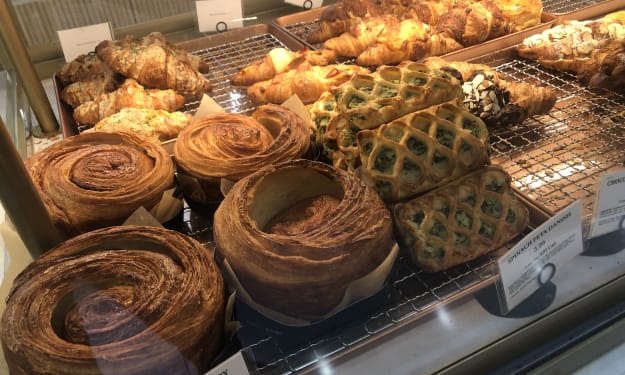
As someone who lives in a rural area, I don't get the chance to visit fancy restaurants or bakeries that often. So, when a friend told me about a French-Asian bakery that's less than an hour away, I knew I had to check it out and grab some pictures for social media. Tous les Jours ended up providing an immersive experience that went above and beyond my expectations--although I did leave with a few reservations.
By Kaitlin Shanks26 days ago in Feast
Bacon Ranch Scalloped Potatoes
There’s something undeniably comforting about a bubbling dish of scalloped potatoes—layers of tender spuds, creamy sauce, and melted cheese all baked to golden perfection. Add the smoky crunch of bacon and the tangy zip of ranch seasoning, and you’ve got a side dish that steals the show. Whether you’re feeding a crowd at a potluck or cozying up for a weeknight dinner, this Bacon Ranch Scalloped Potatoes recipe is a guaranteed crowd-pleaser.
By Kristen Barenthaler6 days ago in Feast
Smart phones, Humans and Aliens.
WARNING. I will be tapping into one of your favorite creative tensions: The absurdity of humans worshipping their glowing rectangles as if they were tiny oracles. There’s something deliciously poetic about that contradiction, and it lends itself beautifully to an instructive proviso.
By Novel Allen5 days ago in Poets



Comments
There are no comments for this story
Be the first to respond and start the conversation.