
Potatoes in the Past: A Culinary and Cultural Journey
Evolution of Potatoes in traditional and modern cuisine

1. Introduction
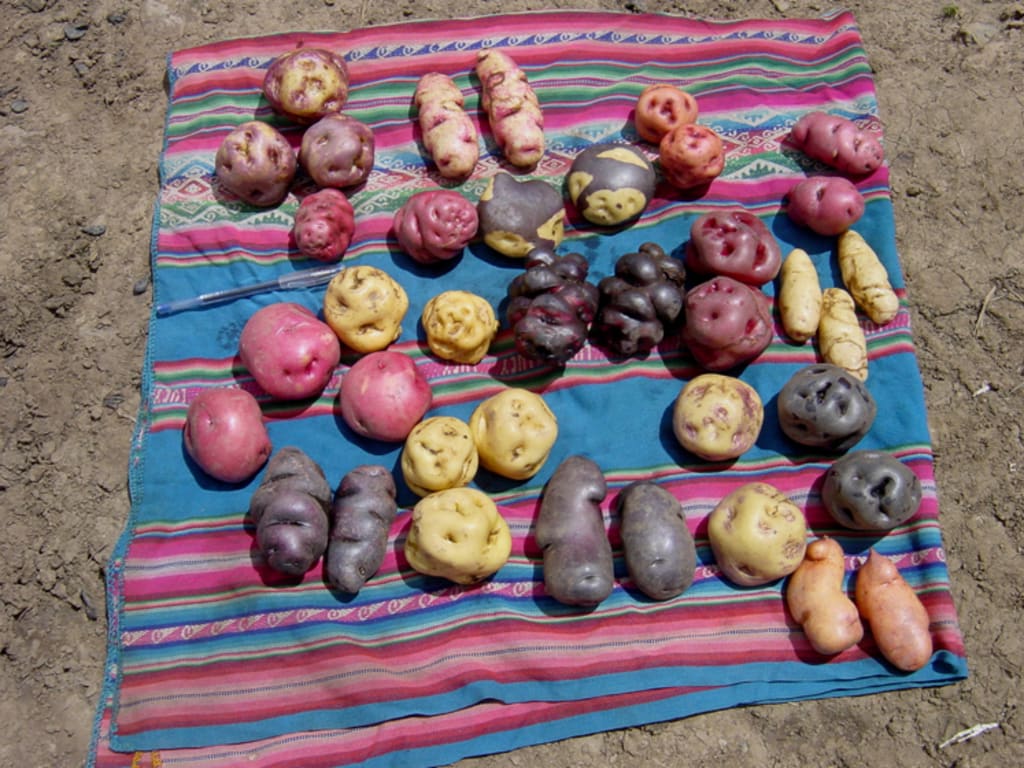
Potatoes are more than just a tasty side dish or a comfort food, they have played a significant role in history and culture. Originally cultivated by the indigenous people of the Andes, potatoes were spread around the world by explorers and traders and became a staple crop in many cultures. Today, potatoes are the fourth most important food crop in the world, behind rice, wheat, and corn.
The nutritional and economic importance of potatoes in history cannot be overstated. They helped to improve food security and reduce poverty in many regions. Potatoes are a highly productive crop that can grow in a wide range of climates, soil types and altitudes, which made them a reliable food source. Potatoes are also a nutritious food, they are rich in carbohydrates, Vitamin C, potassium and other vitamins and minerals.
Potatoes also had a profound impact on agriculture and food systems. The high yields and adaptability of potatoes allowed farmers to feed a growing population and also improved crop rotation practices. Potatoes were also a key factor in the industrial revolution, as they were an important source of food for factory workers.
In this blog post, we will take a deeper dive into the cultural and culinary significance of potatoes in different regions of the world. From traditional ways of preparation and consumption, to their evolution in dishes and recipes, and their role in modern cuisine. We will explore how potatoes have shaped history and culture and how they continue to be an important part of our daily life.
2. Potatoes in ancient cultures
Potatoes have been cultivated for thousands of years by the indigenous people of the Andes. The ancient Incas of Peru were among the first to domesticate the potato, and it quickly became a staple food in their society. They developed sophisticated methods of terrace farming and crop rotation that allowed them to grow potatoes in the harsh mountain environments of the Andes. The Incas believed that potatoes were a gift from the gods and held them in high esteem. They even had a specific god of potatoes, known as Apu Qun Tiqsi Wiraqocha, who was responsible for the fertility of the crop.
The Aztecs of Mexico also had a deep respect for potatoes. They called the potato "papa" and believed it had medicinal properties. They also used potatoes in religious ceremonies and as a form of currency. Potatoes were a valuable food source for the Aztecs and played an important role in their economy and society.
Potatoes were an important source of food for ancient cultures and played a vital role in their economy and society. They were also used in traditional methods of cultivation and preparation that have been passed down through generations. The traditional methods used by the Incas and Aztecs were passed down through generations and continue to be used in the Andean region today. Today, potatoes are still an important part of the diet of the Andean people, and traditional dishes such as "papa a la huancaína" and "papa rellena" continue to be enjoyed.
3. Potatoes during the colonial period
During the colonial period, potatoes were introduced to Europe and other parts of the world by explorers and traders. The Spanish were among the first to bring potatoes to Europe from the New World in the 16th century. At first, potatoes were not widely accepted and were considered to be a food for the poor. However, as the population of Europe grew and food shortages became a problem, potatoes were increasingly seen as a valuable food source.
Potatoes also played an important role in agriculture and food systems during this period. They were able to grow in a wide range of climates, soil types, and altitudes, which made them a reliable food source. Potatoes also allowed farmers to improve crop rotation practices, which helped to increase crop yields and feed a growing population.
Potatoes were also adopted and adapted in different regions and cultures during this period. They were quickly integrated into the traditional cuisines of many cultures, and new dishes and recipes were developed. For example, in Ireland, potatoes became a staple food and were used to make traditional dishes such as colcannon and boxty. In Germany, potatoes were often used to make dumplings and potato salad. In Italy, potatoes were used in dishes such as gnocchi and potato gnocchi.
During the colonial period, potatoes played an important role in agriculture, food systems, and cuisine. They were adopted and adapted in different regions and cultures, and continue to be an important part of traditional and modern cuisine around the world.
4. Potatoes in the industrial revolution
Potatoes played a critical role in the industrial revolution, which started in the 18th century in Britain and spread to other parts of Europe and North America. With the rise of factories and urbanization, there was a growing need to feed a large and growing population. Potatoes were an ideal food source for this population because they were cheap, nutritious and easy to grow. They could be stored for long periods of time and could be easily transported to urban areas.
Potatoes were also an important source of food for factory workers during this period. Many factories provided their workers with a daily ration of potatoes as part of their wages. Potatoes also helped to improve the health of factory workers, as they were a cheap source of nutrition.
The industrial revolution also led to the development of new technologies for potato cultivation and processing. This led to an increase in potato production and a decrease in the cost of potatoes. This made potatoes even more affordable for the working class, and further increased their popularity as a food source.
Potatoes played a vital role in the industrial revolution by providing a cheap, nutritious and reliable food source for the growing population. They also helped to improve the health of factory workers and played a critical role in the development of new technologies for potato cultivation and processing. Potatoes continue to be an important part of the diet of many people around the world and have become a staple in many cuisines.
5. Potatoes in traditional and modern cuisine
Potatoes have been used in traditional and modern cuisine around the world. They have been used in a wide variety of dishes and recipes, and are enjoyed by people of all ages.
In traditional cuisine, potatoes are often used in dishes that are hearty and comforting. For example, in Ireland, potatoes are used to make traditional dishes such as colcannon and boxty. In Germany, potatoes are often used to make dumplings and potato salad. In Italy, potatoes are used in dishes such as gnocchi and potato gnocchi. Many traditional dishes are passed down through generations and continue to be enjoyed today.
In modern cuisine, potatoes are used in a wide variety of dishes and are enjoyed by people of all ages. They are often used in dishes that are hearty and comforting, such as mashed potatoes, potato salad and French fries. They are also used in more sophisticated dishes, such as potato gnocchi and truffle fries. Potatoes are also used in fusion cuisine, and are often combined with other ingredients and spices to create new and exciting dishes.
Potatoes are also versatile and can be cooked in different ways such as baking, frying, roasting, boiling and mashing. This versatility makes them one of the most popular foods in the world. Potatoes are enjoyed by people of all ages and continue to be an important part of traditional and modern cuisine around the world.
6. Conclusion
In conclusion, potatoes have played a significant role in history and culture. From their origins in the Andes, to their spread around the world, and their impact on society and economy, potatoes have been a vital part of human history. They have been an important source of food for ancient cultures, played a critical role in the industrial revolution, and continue to be an important part of traditional and modern cuisine around the world.
Potatoes have also been a part of traditional and modern cuisine, they have been used in a wide variety of dishes and recipes and continue to be enjoyed by people of all ages. From traditional dishes such as colcannon and boxty, to modern dishes such as truffle fries and potato gnocchi, potatoes are a versatile and beloved ingredient in many cuisines.
In this blog post, we have explored the cultural and culinary significance of potatoes in the past. We hope that this journey has given you a deeper appreciation for the humble spud and its role in shaping history and culture. Potatoes continue to be an important part of our daily lives, and we encourage you to explore the different ways potatoes are prepared and consumed in different cultures.
About the Creator
Muthuram Arumugam (Ram)
Story Creater
Keep reading
More stories from writers in Feast and other communities.
My Tous les Jours Trip
As someone who lives in a rural area, I don't get the chance to visit fancy restaurants or bakeries that often. So, when a friend told me about a French-Asian bakery that's less than an hour away, I knew I had to check it out and grab some pictures for social media. Tous les Jours ended up providing an immersive experience that went above and beyond my expectations--although I did leave with a few reservations.
By Kaitlin Shanks29 days ago in Feast
A Slice That Knows Your Name
There are certain foods that don’t just fill your stomach — they anchor you to a moment, a place, or even a version of yourself you didn’t realize you missed. For me, that food has always been Pizza, and more specifically, New-York Style Pizza.
By Harley Morris5 days ago in Feast
Thoughts on Vocal and the way the world is
"Death cannot stop true love, only delay it." – Wesley in The Princess Bride. I decided to come back to Vocal on a very cold and dark night at the end of December. I had been, and still am, convalescing from a horrible staph infection that had gone misdiagnosed for months. This, paired with the increasing challenges of being healthy, making the best choices for my co-parented child, being a wife, and being a director at a new job, was a lot to manage.
By Jazzy 6 days ago in Confessions


Comments
There are no comments for this story
Be the first to respond and start the conversation.