
PLANT-BASED DIETS: Plant-based diets, such as vegan or vegetarian diets, have been associated with lower body weight and improved health markers. This is likely due to the high fiber and nutrient content of plant foods, which can promote feelings of fullness and satiety.
The benefits of a plant-based diet: Lower body weight and improved health markers through increased fiber and nutrient intake.
I. Introduction
Definition of plant-based diets
Plant-based diets are dietary patterns that primarily consist of plant-based foods, such as fruits, vegetables, grains, legumes, and nuts. These diets can include vegan or vegetarian diets, which exclude all animal products, or they can include diets that include small amounts of animal products, such as a flexitarian diet.
Association of plant-based diets with lower body weight and improved health markers
Several studies have shown that individuals who follow a plant-based diet tend to have lower body weight and a lower body mass index (BMI) compared to those who follow a non-vegetarian diet. Additionally, plant-based diets have been associated with improved health markers, such as lower blood sugar and cholesterol levels, as well as a reduced risk of certain chronic diseases.
II. What is in a Plant-based Diet
High fiber content
Plant-based diets are typically high in fiber, which is important for maintaining a healthy weight and digestion. Foods such as fruits, vegetables, whole grains, legumes, and nuts are all rich in fiber.
Nutrient-dense foods
Plant-based diets also tend to be rich in a variety of vitamins, minerals, and antioxidants. Fruits and vegetables are particularly high in these nutrients and can provide a wide range of health benefits.
Variety of plant-based sources of protein
Plant-based diets can provide a variety of protein sources, such as legumes (beans, lentils, and peas), nuts, and seeds, which are not only rich in protein but also high in healthy fats and fiber.
III. How Plant-based Diets Promote Weight Loss
Fiber and nutrient content promotes feelings of fullness and satiety
The high fiber and nutrient content of plant-based foods can help promote feelings of fullness and satiety, which can lead to decreased calorie intake and weight loss.
Lower calorie density of plant-based foods
Plant-based foods typically have a lower calorie density than animal-based foods, which means that they provide fewer calories per gram. This can make it easier to control calorie intake and lose weight.
Increased intake of whole foods and reduced processed foods
Plant-based diets tend to focus on whole, minimally processed foods, which can be more filling and nutritious than processed foods. This can lead to a reduction in overall calorie intake and weight loss.
IV. Potential Health Benefits of Plant-based Diets
Improved blood sugar and cholesterol levels
Plant-based diets have been shown to improve blood sugar and cholesterol levels, which can lower the risk of heart disease and type 2 diabetes.
Reduced risk of certain cancers and chronic diseases
Studies have found that plant-based diets may reduce the risk of certain cancers, such as colon and breast cancer, and chronic diseases, such as heart disease and type 2 diabetes.
Improved gut health
Plant-based diets are high in fiber which can promote the growth of healthy gut bacteria, which can improve digestion and overall gut health.
V. Conclusion
Summary of the benefits of plant-based diets for weight loss and overall health:
Plant-based diets have been shown to promote weight loss and improve overall health through their high fiber and nutrient content, which can promote feelings of fullness and satiety and lead to a reduction in overall calorie intake. They also provide a variety of health benefits such as improved blood sugar and cholesterol levels, reduced risk of certain cancers and chronic diseases, and improved gut health.
Suggestions for incorporating more plant-based foods into the diet
Incorporating more plant-based foods into the diet can be as simple as starting with small changes such as adding a salad or fruit to your meals, or experimenting with meatless meals a couple of times a week. Gradually you can increase the amount of plant-based foods in your diet, and try new recipes and ingredients to keep your meals interesting. It's important to consult with a healthcare professional before making any drastic dietary changes.
About the Creator
Keep reading
More stories from Ruban Ravi and writers in Feast and other communities.
As a top-order batsman, Gill is known for his ability to score runs quickly and consistently, making him a valuable asset to any team.
Introduction Shubman Gill is a highly talented young cricketer who has already made a name for himself in the Indian domestic circuit. He is known for his aggressive and fearless batting style, which has helped him become one of the most exciting prospects in Indian cricket. With a keen eye for the ball and a natural ability to score runs, Gill is a top-order batsman who has proven himself to be a valuable asset to any team. In this outline, we will discuss Gill's strengths as a top-order batsman and how he has made an impact in the Indian Premier League and Indian cricket team.
By Ruban Ravi3 years ago in Journal
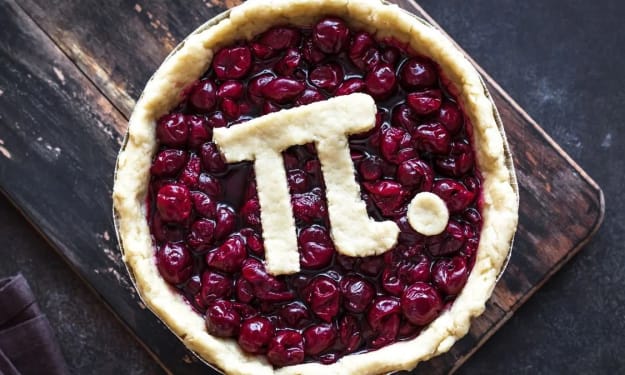
Pi Day Deals: Sweet Ways to Celebrate March 14 Every Year
Every year on March 14, something unusual happens across bakeries, pizza shops, and kitchens around the world. Math lovers smile, pie lovers celebrate, and people who never cared about numbers suddenly start searching for pie. That day is Pi Day. The date 3/14 matches the first digits of the famous mathematical constant 3.14, and over time it has grown into a celebration of food, curiosity, and simple joy. One of the biggest reasons people look forward to the day is the tradition of Pi Day deals. Restaurants and bakeries often offer pies, pizzas, and desserts at special prices. But Pi Day is not only about discounts. It is about gathering with friends, sharing food, and enjoying a small moment of fun built around a number that never ends.
By Muqadas khan2 days ago in Feast
Chipotle Tattoo BOGO: The Story Behind the Burrito Deal
Sometimes a free burrito is more than just a meal. Sometimes it becomes a small cultural moment that people remember for years. The phrase chipotle tattoo bogo began as a strange mix of food, loyalty, humor, and internet culture. At first glance it sounds like a joke. Why would anyone get a tattoo for a burrito? But thousands of people actually did.
By Muqadas khan3 days ago in Feast



Comments
There are no comments for this story
Be the first to respond and start the conversation.