

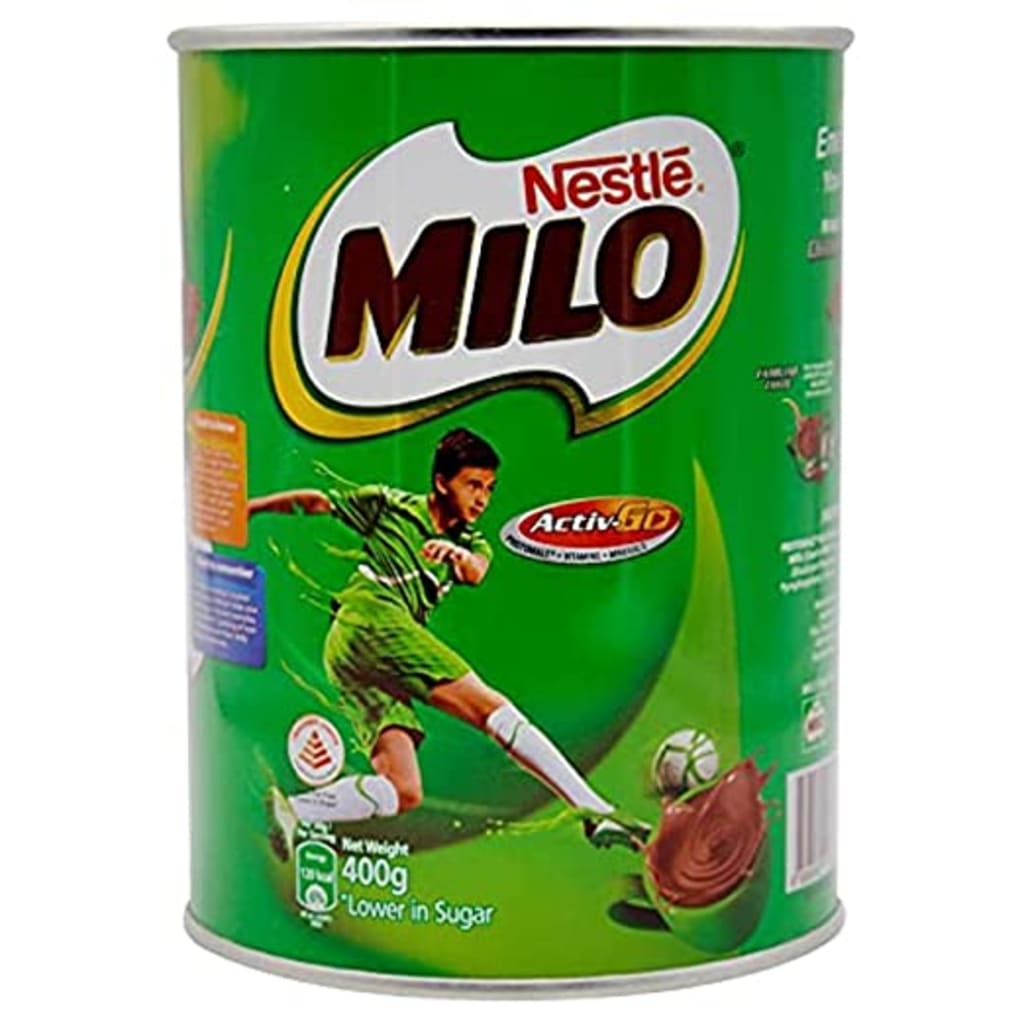
Milo is a chocolate and malt powder drink that is popular around the world, particularly in Southeast Asia, Australia, and New Zealand. It is marketed as a nutritious drink that is great for children and adults alike. While Milo does offer some nutritional benefits, there are also potential side effects that consumers should be aware of.
In this blog post, we will discuss the potential side effects of Milo and what you should know before consuming it.
What is Milo?
Milo is a chocolate and malt powder drink that is made from malted barley, cocoa, sugar, and milk powder. It was first developed in Australia in the 1930s and has since become popular in many countries around the world. Milo is marketed as a nutritious drink that is high in vitamins and minerals, particularly iron.
Nutritional Value of Milo
Milo does offer some nutritional benefits. It is high in iron, which is important for maintaining healthy red blood cells and preventing anemia. It also contains calcium, which is essential for strong bones and teeth. Additionally, Milo contains some B vitamins, such as thiamine and riboflavin, which are important for energy production and overall health.
However, it is important to note that Milo is also high in sugar and calories. A single serving of Milo contains around 20 grams of sugar, which is equivalent to 5 teaspoons. Consuming too much sugar can lead to weight gain, tooth decay, and other health problems. Additionally, a single serving of Milo contains around 140 calories, which can add up quickly if you consume it on a regular basis.
Potential Side Effects of Milo
While Milo does offer some nutritional benefits, there are also potential side effects that consumers should be aware of. Here are some of the potential side effects of consuming Milo:
Weight gain: As mentioned earlier, Milo is high in sugar and calories. Consuming too much Milo on a regular basis can lead to weight gain, particularly if you are not getting enough exercise.
Tooth decay: Sugar is a major cause of tooth decay. Consuming too much Milo can lead to dental problems, particularly if you are not practicing good oral hygiene.
Allergies: Some people may be allergic to the ingredients in Milo, particularly milk and cocoa. Symptoms of a milk allergy may include hives, wheezing, and vomiting, while symptoms of a cocoa allergy may include itching, hives, and difficulty breathing.
Caffeine sensitivity: Milo contains a small amount of caffeine, which may cause problems for people who are sensitive to caffeine. Symptoms of caffeine sensitivity may include jitteriness, anxiety, and insomnia.
Blood sugar spikes: Consuming too much sugar can cause blood sugar levels to spike, particularly in people with diabetes or pre-diabetes. This can lead to a variety of health problems, including fatigue, blurred vision, and nerve damage.
Other health problems: Consuming too much sugar on a regular basis can lead to a variety of health problems, including heart disease, type 2 diabetes, and liver disease.

As Milo does offer some nutritional benefits, there are also potential side effects that consumers should be aware of.
Milo is high in sugar and calories, which can lead to weight gain and other health problems.
Additionally, some people may be allergic to the ingredients in Milo, and it may cause problems for people who are sensitive to caffeine.
Legal Issues
Nestlé, the manufacturer of Milo, was sued by the Australian Competition and Consumer Commission (ACCC) for making misleading claims about the nutritional benefits of the drink. The ACCC alleged that Nestlé's marketing of Milo as a healthy drink for children was false and misleading, as the product contained high levels of sugar and fat.
In 2005, Nestlé was ordered to pay a fine of AU$15 million (US$11.2 million) by the Federal Court of Australia for breaching consumer laws. The company was also required to publish corrective advertisements in newspapers and magazines and to make changes to its packaging and marketing materials.
Another legal issue that arose in relation to Milo occurred in 2012, when a group of parents in the Philippines filed a lawsuit against Nestlé for allegedly misrepresenting the nutritional content of the drink. The parents claimed that Nestlé had made false and misleading claims about the vitamins and minerals in Milo and that the product was not as nutritious as advertised.
The lawsuit was filed after the Philippines Department of Health issued a warning to Nestlé about the nutritional claims made in its advertising. The case was eventually dismissed by the Philippines Supreme Court, but it served as a reminder of the importance of accurate and truthful marketing in the food and beverage industry.
In addition to these legal issues, Milo has also faced criticism from health experts and consumer groups for its high sugar content and lack of nutritional value. Some have argued that the product is marketed as a healthy drink for children despite containing more sugar than many soft drinks and other sugary snacks.
If you choose to consume Milo, it is important to do so in moderation and as part of a balanced diet. Be sure to brush your teeth regularly and practice good oral hygiene to prevent tooth decay. If you experience any symptoms of an allergic reaction or caffeine sensitivity after consuming Milo, stop consuming it
immediately and seek medical attention if necessary.
About the Creator
Arun Ramasamy
Nature Lover, Just go with the flow, techno freek.
Do what you can.. don't when you cannot.
Keep reading
More stories from Arun Ramasamy and writers in Feast and other communities.
Andrographis : Health Benefits
Andrographis, also known as Andrographis paniculata or the “king of bitters,” is a herbaceous plant native to South Asian countries, including India, Sri Lanka, and Pakistan. It is a member of the Acanthaceae family and has been used for centuries in traditional medicine to treat various ailments. The leaves and stems of Andrographis are rich in bioactive compounds that provide numerous health benefits. In this blog post, we will explore the various health benefits of Andrographis and how it can promote overall health and wellness.
By Arun Ramasamy3 years ago in Feast
Apple and Almond Tart
So I spent the first half of Sunday making pancakes (of course, for my mother) and then I baked an apple and almond tart. Did I have to use a recipe from someone else? Nope. This is something quick and simple that you can do with a little bit of patience and a lot of ease. If you're looking for a quick dessert that's filling and tasty then I'd go with this, serving suggestions include:
By Annie Kapurabout 19 hours ago in Feast
Orange vs Red Carrots
Carrots are among the most popular root vegetables around the world. They are widely appreciated for their natural sweetness, crunchy texture, and impressive nutritional value. While most people are familiar with orange carrots, many regions—especially in South Asia—also consume red carrots, particularly during winter. This often raises a common question: which carrot is better for health—orange or red?
By Stories Today7 days ago in Feast




Comments
There are no comments for this story
Be the first to respond and start the conversation.