
Memories Of Dhal And Tears
A memory of my home so long ago


Memories Of Dhal And Tears
When I think of home, I often remember my first husband’s Indian dhal, a dish that brings back a complex mix of emotions, both good and painful. This simple meal, full of flavor and warmth, symbolizes a challenging time in my life but stands as a testament to my resilience and growth.
I learned to make dhal during my marriage, immersing myself in the wonderful world of spices—cumin, turmeric, and coriander. The kitchen would fill with these rich aromas as I stirred the lentils, always striving to master a dish so integral to his culture and upbringing. He insisted on perfection, believing it was essential to capturing the essence of Bangladeshi cuisine. Every cooking session was laced with tension because I learned to cook with the fear of his fists if I got it wrong. If I made a mistake, if the spices were slightly off or the consistency wasn’t quite right, his frustration would erupt.
One day stands out vividly in my mind, illustrating the emotional landscape during those years. He had asked me to add some of the coriander he grew in our back garden to the dhal. Proud of my effort, I picked, washed, and chopped the coriander, feeling a tingle of achievement as I prepared to support his culinary passion. However, when he arrived home and went to check the dhal, horror flashed across his face. In my inexperience, I had confused the coriander with weeds, resulting in a 50/50 mix. Almost instantly, his temper ignited. He threw the entire pot of dhal across the kitchen in a gust of anger, its contents splattering everywhere like a tragic masterpiece. I stood paralysed for a moment, my heart racing. Tears streaming down my cheeks, I cried as I cleaned up the mess, knowing that in his eyes, my mistake was unforgivable.
Such moments served as harsh reminders of the emotional turmoil that defined our relationship. It is ironic how a dish known for its comfort could also serve as a reminder of discomfort and pain. I sought solace in the cooking process itself—it became a personal challenge amid the chaos, a way to reclaim some semblance of control in a life often filled with unpredictability.
Yet, amidst these tumultuous periods, there were flickers of joy. There were times when he would come home in a good mood, and we would share laughs over a meal, briefly transforming from two distant souls into a connected pair sharing not just food, but life. On those precious days, I found refuge in the harmony we shared. The dhal, when prepared just right, could momentarily bridge the gap between us, creating a brief experience of understanding amid the storm.
As I cooked, I often listened to his stories of Bangladesh, of the markets brimming with colors and aromas, and families gathering over steaming plates of food. Each tale painted a world that felt so full of joy and warmth, a stark contrast to my own reality. I longed to experience that world, feeling the companionship of community and the simple joys of familial meals that he described so vividly yet seemed so distant from my life.
But as the years progressed, and the joy became less frequent, I realized that I no longer wanted to be the punching bag. I deserved more than what I was painfully enduring. Finding the strength to leave was hardest part in my journey, that moment of clarity was empowering. I finally filed for divorce, a decision that still resonates within me as both a moment filled with relief and a heavy weight lifted.
Life post-divorce was challenging. My heart was burdened with a mix of memories—some sweet, and others sharp as a knife. His death came long after our separation, and during those reflective moments, preparing dhal became a metaphorical means to sift through the layers of my past. The kitchen, filled with the aromatic scents of spices and the gentle bubbling of lentils, became my refuge. It was a place where I could stir away the pain, blend my memories with my present, and create nourishing meals for my girls. My youngest now a mum her self, eats dhal if she isn’t feeling well.
Life was undeniably hard as I cared for my first daughter in those tumultuous years. She was my anchor, their unconditional love and childlike laughter infusing my daily life with a sense of purpose. It was When my eldest was just 10 years old, my second daughter arrived, a new life that filled our home with life, joy, and new beginnings. I loved my girls deeply, pouring my heart into raising them, teaching them lessons of strength, resilience, and the power of love while navigating our new reality without the emotional burden of their father.
Even though he never physically harmed his daughters, I bore the brunt of his emotional abuse and dissatisfaction. My love for my girls remained unwavering, and together we forged a bond that could withstand the storms of our past. With every tear I shed in silence, I hoped that they would never have to experience the shadows of our previous life. They both witnessed far too much from him.
Our home once transformed into a refuge, once filled with shared stories, laughter, and love. and emotional hurt when he was there. I gradually embraced the changes, filling our space with memories of togetherness and happiness. Cooking became a shared experience with my daughters—a sacred time to bond and create memories. The kitchen became more than a space for food; it became a sanctuary where we could laugh, share stories, and prepare meals. The dhal, with its comforting aroma, became our go-to dish and a symbol of our collective resilience.
As time progressed and I found my footing, I started inviting friends over and family to share my dhal. Each gathering transformed our home into a warm, vibrant place filled with laughter, echoing joy in contrast to the shadows of my previous life. These friends provided the essential support I needed—they reminded me of the joys of life, togetherness, and the loving connection that comes from sharing meals.
Being surrounded by friends filled my heart with gratitude. In those moments of sharing dinner and creating new memories, I realized that I was not merely recovering from my past, I was blossoming into a new version of myself, someone who was remarkably inspired and strengthened by her experiences.
Cooking together became a cherished tradition in our household. My daughters took a keen interest in the kitchen, and we would often dance around while measuring spices, laughing at the occasional mischief that ensued. During one such occasion, I remember my youngest asking if she could help, and together we made the dhal as if it were a grand celebration. As we chopped, stirred, and shared ideas, I felt a sense of fulfillment that everything I had been through was worth it. It was in those moments that I understood how far we had come, and I realized that I could now cook any Indian dish as well as any Indian lady could. Each meal we prepared together lovingly our bond, allowing us to bring the love and warmth of our new family life to the forefront.
Now, when I cook and savor the dhal, I recognize its deeper meaning. It represents strength, resilience, and the transformation of my journey. Each spoonful carries echoes of struggle, survival, and a past I would never want to repeat, yet one that shaped the woman I am today. Dhal, which once symbolized my pain, has transformed into a beautiful reminder of love and family—a dish that reflects my journey and the power of overcoming adversity.
For me, dhal encapsulates my first experience of “home”—a significant part of my life built upon my experiences with an abusive husband starting at 16 while caring for my baby girl. Through many moments of despair, I longed for the safety of my mother and father, my real home, dreaming of returning to the comfort of my childhood—wishing I could return to a time when happiness felt attainable. Yet, I felt entrapped in my choices, entwined in a marriage that lasted 14 years, colored by a mixture of love, pain, and real tears.
However, through all the struggles, I found the strength to rebuild a life for my daughters and myself. That path guided me to a new chapter in my life, where I remarried a wonderful man who took on me and my two daughters as his own and still does. His love is calm and soothing, nurturing our family with kindness and understanding, creating not only a safe home but also one filled with joy and laughter. He walks beside us, supporting and cheering us on as we navigate our lives together. His acceptance of my daughters as his own is a gift that has brought healing to our family. Together, we have enjoyed a new life, one overflowing with adventures, cherished memories, and, of course, many delicious meals shared around the table.
Dhal remains a connection to my past—a testament to my resilience—and it guides me as I build a brighter future with my family. This dish is not just food; it embodies my history and the strength I gained, reminding me that even after a painful past, it is indeed possible to create a new path and a life filled with love, laughter, and the warmth of a shared meal.
Today, as I cook dhal for my family, I realize that I am not bound by the shadows of my past. Instead, I celebrate the love and light surrounding me—the laughter of my daughters echoing in the kitchen, the beautiful memories we create together, and the strength and support of a loving partner by my side. Together, we built a home filled with love. Both my girls have families of there own now. It’s just me and my husband at home. My memories of my dhal years, good and bad never left they just became bearable. This is my true story it is not made up in any way. Thank you for reading it. Marie381Uk ❤️
About the Creator
George’s Girl 2026
I've been writing poetry since the age of 10. With pen in hand, I wander the realms unseen. The pen holds power; ink reveals thoughts. A poet may speak truth or weave a tale. You decide. Let pen and ink capture you ❤️#Marie381UkWrites
Keep reading
More stories from George’s Girl 2026 and writers in Feast and other communities.
Cooking A Valentines Meal For Two
Cooking A Valentines Meal For Two Valentine’s Day has never been about restaurant tables for me. Too much noise, too much rushing, plates arriving before you have finished the last mouthful. I would rather stay home and cook. It feels more honest. If I am going to say I care about someone, I would rather show it in the way I chop onions and stir a sauce slowly, tasting as I go.I start early in the afternoon. Not because it takes hours, but because I like the quiet build up. The kitchen feels different on a day like that. I clear the counters properly, wipe everything down, put music on low. Nothing dramatic. Just something soft in the background.
By George’s Girl 2026 23 days ago in Feast
Kratom Powder Benefits: What Research and Experts Actually Say
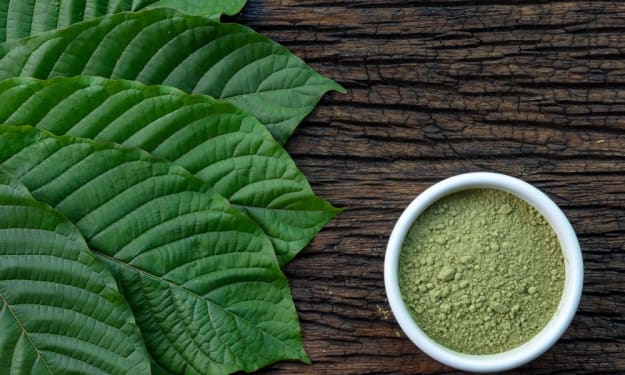
Interest in herbal products has grown rapidly over the last decade. People now explore natural botanicals for different wellness routines, and kratom often appears in that conversation. Many online searches focus on kratom powder benefits, but the topic requires careful discussion.
By thomas oshobo3 days ago in Feast
Bomb Scare
It was 2027, and the world never thought it would happen. A missle hit the United States, but it wasn't where they had anticipated. A little town in the northeast was hit by a missile strike, they didn't know why, and they didn't know exactly where it hit, but they did know it was a coastal community, somewhere between Maine and Delaware.
By Gregory Payton2 days ago in Fiction



Comments (7)
This was raw, powerful, and beautifully told. Dhal went from a symbol of pain to one of resilience, love, and family—what a journey. Your strength shines through every word, and I admire how you turned hardship into something nourishing, literally and figuratively. I’ll never look at dhal the same way again—now it’s officially the dish of survival and new beginnings! ✨
very nice
I can relate to this so much, my mother was in an abusive relationship with my father. It was a rollercoaster, my mom got fed up and kicked him out when I was 5. I’m so glad you have found strength to leave him and found true love, Marie!
Marie, your story is deeply moving and beautifully written. The way you’ve woven resilience, pain, and healing through the symbolism of dhal is incredibly powerful. It’s inspiring to see how you transformed something that once carried sorrow into a source of love and connection. Thank you for sharing such a personal journey—your strength shines through every word. ❤️
Wow you are a strong woman and I am glad you have managed to rebuild your life and family 🙏 guiding your children to become a great person in life was a great decision u have take I say well done
Food is supposed to calm the savage beast, but I guess not in this case all the time. You have moved on and good for you. Good job.
Beautiful. I'm glad you've managed to rebuild your life and reach such a positive place. 😊