
Mediterranean Diet for Beginners: A Complete Guide to Eating for Health and Flavor
Introduction to the Mediterranean Diet
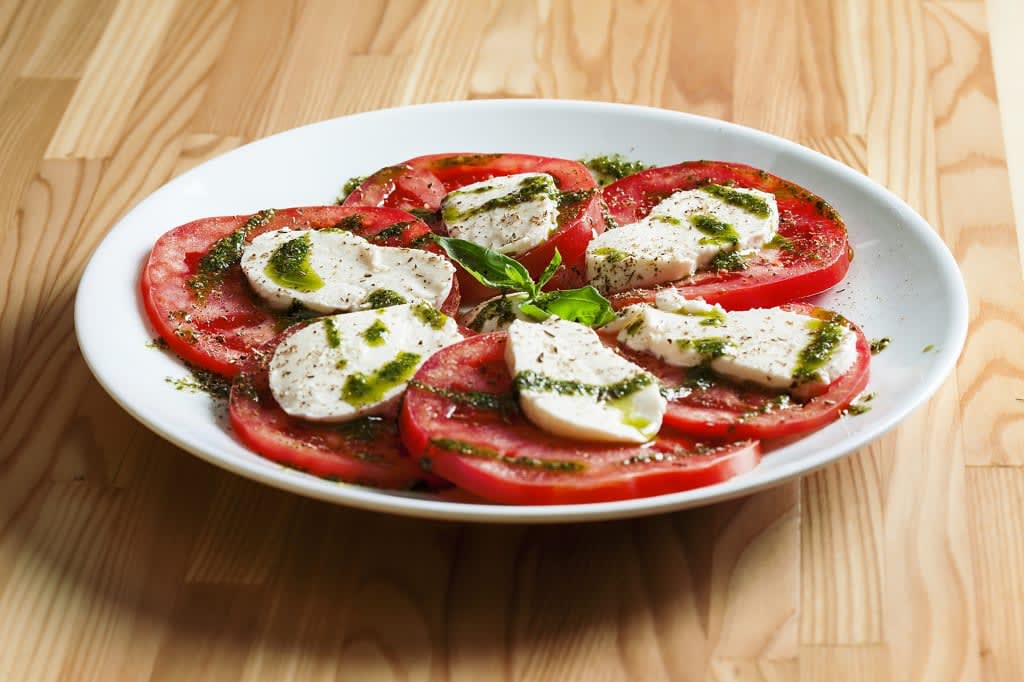
The Mediterranean diet is renowned for being one of the healthiest diets in the world, focusing on natural, wholesome foods and a balanced lifestyle. Rooted in the traditional foods and lifestyle of countries along the Mediterranean Sea, this way of eating emphasizes plant-based ingredients, healthy fats, and simple but delicious meals. You may have heard about this diet’s numerous health benefits, but what exactly does it entail? In this guide, we'll dive into what the Mediterranean diet is, explore its many benefits, and provide tips for beginners to get started with confidence.
Benefits of the Mediterranean Diet
Adopting a Mediterranean diet comes with a range of health benefits, which have been confirmed through years of research. Here are a few of the most impactful advantages:
- Weight Management: Studies suggest that the Mediterranean diet can help with weight management and weight loss, primarily due to its focus on whole, unprocessed foods.
- Heart Health: Rich in heart-healthy fats from olive oil and nuts, this diet may reduce your risk of high blood pressure, stroke, and other cardiovascular issues.
- Blood Sugar Control: The Mediterranean diet helps regulate blood sugar, lowering the risk of type 2 diabetes thanks to its emphasis on fiber-rich fruits, vegetables, and whole grains.
- Brain Health: Cognitive benefits are a big perk, too. Eating Mediterranean-style may improve memory, support brain function, and even reduce the risk of Alzheimer’s disease.
Origins and Background of the Mediterranean Diet
The Mediterranean diet is based on traditional foods enjoyed by people in countries like Italy, Greece, Spain, and France. Research has found that people in these regions tend to live longer and healthier lives compared to those following more Western diets. Their focus on fresh, whole foods and healthy fats is credited with their lower rates of chronic diseases, serving as inspiration for the Mediterranean diet guidelines many follow today.
Core Principles of the Mediterranean Diet
At the heart of the Mediterranean diet is a commitment to eating a variety of plant-based foods. Key components include plenty of vegetables, fruits, whole grains, legumes, and heart-healthy fats like olive oil. Seafood, poultry, and dairy are consumed in moderate amounts, while red meat and processed foods are kept to a minimum. It’s a lifestyle focused on quality, balance, and enjoyment of food rather than strict rules or restrictions.
Key Foods to Enjoy on the Mediterranean Diet
Wondering what to add to your shopping list? Here are the main food groups that make up the Mediterranean diet:
- Fruits and Vegetables: These are the staples, offering essential nutrients, fiber, and antioxidants.
- Whole Grains: Foods like brown rice, quinoa, and whole-grain bread provide sustained energy and are rich in fiber.
- Legumes: Beans, lentils, and chickpeas are great sources of protein and nutrients.
- Healthy Fats: Olive oil is a must, along with nuts, seeds, and avocados.
- Seafood and Poultry: A few servings of fish or chicken per week provide lean protein.
- Dairy (in Moderation): Foods like yogurt and cheese are enjoyed in small amounts.
Foods to Limit or Avoid on the Mediterranean Diet
The Mediterranean diet minimizes processed foods and refined ingredients that can be high in sugar, unhealthy fats, and additives. Limit foods such as:
- Ultra-Processed Foods: Items like chips, sugary snacks, and fast foods.
- Refined Grains: White bread and pastries are best replaced by whole-grain alternatives.
- Sugary Drinks: Sodas and sweetened beverages should be swapped for water, teas, or herbal drinks.
- Alcohol: Moderate alcohol intake, often in the form of red wine, is sometimes enjoyed, but daily alcohol consumption isn’t encouraged.
Mediterranean Lifestyle Components Beyond Food
The Mediterranean lifestyle isn’t just about what you eat—it’s about how you eat and live, too. Meals are a social experience, often shared with family and friends. Eating mindfully, savoring each bite, and engaging with loved ones are all central to the Mediterranean diet. These practices can foster a healthier relationship with food and encourage slower, more enjoyable meals.
Flavoring Foods in the Mediterranean Way
One of the secrets to the Mediterranean diet’s appeal is the focus on flavor. Instead of relying on salt or sugar, Mediterranean dishes use herbs and spices like basil, rosemary, oregano, and garlic. These not only boost taste but also add antioxidants and other health benefits to your meals, making it easy to enjoy flavorful food without compromising on health.
Sample Mediterranean Diet Meal Plan
If you're new to the Mediterranean diet, here’s a sample day of eating to get you started:
- Breakfast: Greek yogurt topped with strawberries and chia seeds or a bowl of oatmeal with blueberries.
- Lunch: A quinoa salad with mixed vegetables and chickpeas or a tuna salad with greens, drizzled with olive oil.
- Dinner: Grilled chicken with roasted vegetables and sweet potatoes, or salmon with brown rice and steamed veggies.
- Snacks: Fruits, nuts, olives, and hummus with sliced veggies are all great choices.
Flexible Mediterranean Meal Ideas for Different Cuisines
One of the best aspects of the Mediterranean diet is its adaptability. Whether you enjoy Asian, Latin, or Indian foods, you can apply Mediterranean principles. Try dishes like a veggie-packed ramen bowl, bean tacos with avocado, or a lentil curry with whole grains.
Alcohol on the Mediterranean Diet
While red wine is often associated with the Mediterranean diet, moderation is key. Small glasses are enjoyed occasionally and usually during meals rather than every day. It’s more about the mindful enjoyment of a glass than the alcohol itself, as excessive drinking isn’t recommended for health.
Mediterranean Diet Philosophy: No Calorie Counting or Restrictive Measures
Unlike many diets, the Mediterranean diet doesn’t focus on counting calories or tracking macros. Instead, it encourages a balanced approach to eating that’s satisfying and sustainable.
Who the Mediterranean Diet Might Suit Best
This diet is versatile and can work for a range of people, including those seeking better health or those just looking to eat more nutritious foods. For individuals with specific health needs or chronic conditions, it’s best to check with a healthcare provider before making major dietary changes.
Possible Downsides of the Mediterranean Diet
The Mediterranean diet is flexible and adaptable, but some may find the lack of structured guidelines challenging. Additionally, as the diet is based on European cuisines, those from other cultural backgrounds might need to adjust traditional foods to fit Mediterranean principles.
Adapting the Mediterranean Diet to Your Preferences
The Mediterranean diet can easily be modified to fit different tastes, cultures, and cuisines. If you enjoy Mexican, Indian, or Asian foods, the principles can still be applied by focusing on whole foods, healthy fats, and balanced meals.
Conclusion
The Mediterranean diet is widely praised for its health benefits, flexibility, and enjoyment-centered approach. From promoting heart health to supporting brain function, it offers a well-rounded way of eating that can easily be maintained over the long term. Its focus on whole foods, mindful eating, and social meals makes it more than just a diet—it’s a lifestyle.
Frequently Asked Questions
What are the main components of the Mediterranean diet? The Mediterranean diet includes fruits, vegetables, whole grains, legumes, healthy fats, moderate seafood and poultry, and limited processed foods.
Can the Mediterranean diet help with weight loss? Yes, the focus on whole foods and healthy fats can support weight loss by promoting satiety and reducing overeating.
How often should I eat seafood on the Mediterranean diet? Aim for at least 2–3 servings of seafood per week, as it’s a key source of lean protein and omega-3 fatty acids.
Is alcohol necessary on the Mediterranean diet? No, alcohol is optional. Some people enjoy small amounts of red wine, but it’s not required for the diet's benefits.
How can I start incorporating Mediterranean diet principles today? Start by including more fruits, vegetables, whole grains, and healthy fats in your meals, and try cooking with olive oil and herbs for added flavor.
About the Creator
Nico Moretti
Nico Moretti is passionate about Mediterranean cuisine and balanced living. With a focus on simple, healthy recipes, Nico inspires readers to embrace flavorful, wholesome eating for a happier, healthier life.
Keep reading
More stories from Nico Moretti and writers in Feast and other communities.
5 Delicious Mediterranean-Inspired Breakfast Ideas to Start Your Day Right
1. Greek Yogurt with Honey, Nuts, and Fresh Berries Ingredients: 1 cup plain Greek yogurt A handful of mixed berries (like strawberries, blueberries, or raspberries) 1 tablespoon honey A sprinkle of walnuts or almonds Optional: pinch of chia seeds or ground flaxseed for extra fibre
By Nico Morettiabout a year ago in Feast
The Quiet Question: Was My Name on the Tea App?
The message comes late at night: a friend’s text, casual but pointed. “You ever hear of that Tea app?” Or maybe it’s a screenshot passed around in a group chat—blurry, cropped, but the name and details hit too close. Your stomach twists. You’re left wondering: Is there something out there about me? What’s being said? Is it even accurate?
By CEO A&S Developers6 days ago in Feast
The All-You-Can-Eat Buffet That Became France’s Favorite Restaurant
France's highest-grossing restaurant is not a storied Parisian bistro with three Michelin stars. It is not a Riviera hotspot with celebrity clientele. It is Les Grands Buffets, an all-you-can-eat temple of gastronomy on the outskirts of Narbonne, a modest city of 56,000 near the Spanish border.
By Kenneth Ethan Carl4 days ago in Feast




Comments
There are no comments for this story
Be the first to respond and start the conversation.