
Japanese Miso Soup - A Traditional Japanese Comfort Food with a Nutritional Boost
Discover the Flavors and Health Benefits of Japan's Beloved Miso Soup – A Vegan Twist on a Classic Dish

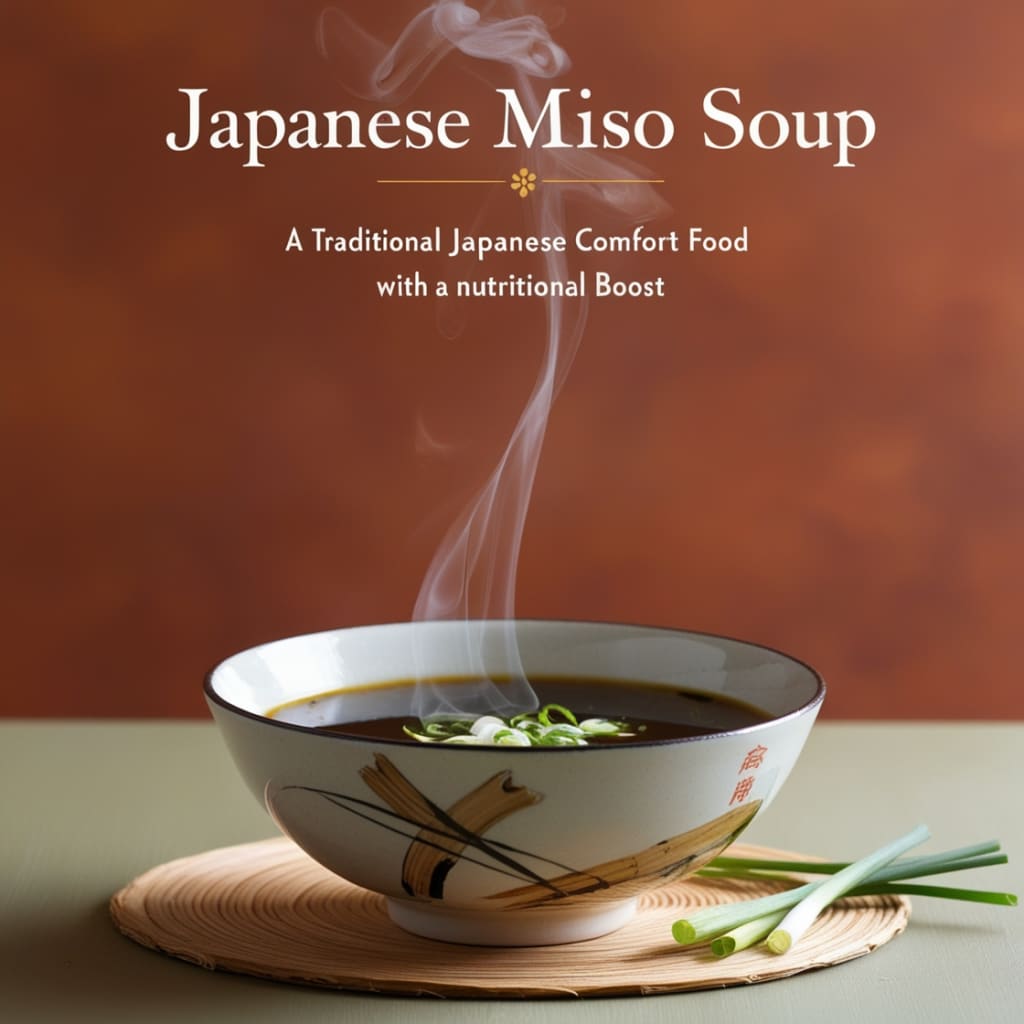
Japanese Miso Soup - A Traditional Japanese Comfort Food with a Nutritional Boost
Discover the Flavors and Health Benefits of Japan's Beloved Miso Soup – A Vegan Twist on a Classic Dish
Introduction to Miso Soup
Miso Soup, known as "misoshiru" in Japanese, is a cherished staple in Japanese cuisine. With a history that spans centuries, this soup is a harmonious blend of rich umami flavors, simplicity, and nourishment. Traditionally made with dashi (a Japanese soup stock), miso paste, and an assortment of vegetables, seaweed, and tofu, miso soup is often enjoyed as a starter, a side dish, or even a light meal. While it’s deeply rooted in Japan’s culinary culture, miso soup has also gained global popularity due to its comforting taste and numerous health benefits.
This article will dive deep into the history, cultural significance, nutritional advantages, and the best way to make an authentic yet vegan version of miso soup. Whether you're a food enthusiast looking to explore global cuisine or simply want to incorporate a healthy dish into your meal rotation, this detailed guide will cover everything you need to know about preparing the perfect vegan miso soup.
The Cultural and Historical Roots of Miso Soup
Miso soup is more than just a dish – it's a symbol of Japanese culinary traditions and daily life. Miso itself, a fermented soybean paste, has been part of Japanese cuisine for over a thousand years. It originated from China and was introduced to Japan in the 7th century. Since then, it has become an essential ingredient in Japanese cooking, with each region in Japan developing its own varieties and flavors of miso.
Traditionally, miso soup was served as part of the classic "ichiju sansai" (one soup, three sides) meal format, which emphasized balance, variety, and nutrition. This meal structure is still seen in Japanese households and restaurants today, often accompanied by rice, pickles, and other small dishes.
Over time, miso soup has evolved, with chefs and home cooks experimenting with different types of miso and ingredients. However, the essence of miso soup remains the same – a simple yet flavorful broth that embodies the principles of harmony, balance, and wellness.
The Nutritional Benefits of Miso Soup
One of the reasons miso soup has remained a beloved dish in Japan and around the world is its impressive nutritional profile. Whether you're following a vegan diet or simply looking to boost your intake of plant-based foods, miso soup offers a wealth of health benefits:
- Rich in Probiotics: Miso paste is a fermented food, meaning it's packed with probiotics – the beneficial bacteria that promote gut health. Regular consumption of fermented foods like miso can support digestion and strengthen the immune system.
- High in Protein: Thanks to the tofu and miso paste, miso soup is a great source of plant-based protein, making it a perfect dish for vegans and vegetarians.
- Low in Calories: Miso soup is low in calories but full of flavor, making it an ideal option for those looking to enjoy a light, nutritious meal.
- Packed with Vitamins and Minerals: Miso contains important vitamins like B12, which is especially beneficial for those following a plant-based diet. Additionally, the soup is rich in minerals like zinc, calcium, and iron.
- Detoxifying Properties: Seaweed, a common ingredient in miso soup, is known for its detoxifying properties. It’s rich in iodine and helps support thyroid function while cleansing the body of heavy metals.
Key Ingredients in Vegan Miso Soup
To prepare an authentic vegan miso soup, you’ll need to gather a few key ingredients. Each component plays a crucial role in creating the distinct umami flavor and nutritional benefits that miso soup is known for. Here’s a breakdown of the essential ingredients:
1. Miso Paste
Miso paste is the star of the soup, and there are various types to choose from, each offering a unique flavor:
- White Miso (Shiro Miso): Mild and slightly sweet, white miso is made from fermented soybeans and rice. It’s commonly used in lighter soups and is perfect for those new to miso.
- Red Miso (Aka Miso): This variety is fermented for a longer period, resulting in a deeper, richer flavor. It has a strong umami taste and is ideal for hearty, robust miso soups.
- Mixed Miso (Awase Miso): A blend of white and red miso, offering a balanced flavor profile that’s neither too mild nor too strong.
For vegan miso soup, be sure to choose miso paste that does not contain any fish or animal-derived products.
2. Dashi (Vegan Broth)
Traditional miso soup is made with dashi, a Japanese soup stock that typically contains bonito flakes (fish). However, there are several vegan alternatives that work just as well:
- Kombu Dashi: Made from dried kombu (kelp), this vegan broth provides a rich umami flavor, making it the perfect base for miso soup.
- Mushroom Dashi: Shiitake mushrooms can be used to create a flavorful vegan dashi. Their earthy taste complements the miso paste and enhances the soup’s umami profile.
3. Tofu
Cubed silken tofu is a traditional ingredient in miso soup, adding a creamy texture and a boost of plant-based protein. Tofu absorbs the flavors of the broth and provides a satisfying bite.
4. Seaweed (Wakame)
Wakame, a type of edible seaweed, is a classic ingredient in miso soup. It’s rich in iodine and adds a slightly briny taste to the broth. Wakame can be purchased dried and rehydrated in water before being added to the soup.
5. Green Onions (Scallions)
Chopped green onions are typically used as a garnish, adding a burst of freshness and a mild onion flavor that complements the richness of the miso broth.
6. Vegetables (Optional)
You can customize your vegan miso soup by adding various vegetables such as spinach, bok choy, carrots, or mushrooms. These ingredients enhance the nutritional value and texture of the soup.
How to Make Vegan Miso Soup: Step-by-Step Guide
1. Prepare the Vegan Dashi
The first step in making vegan miso soup is preparing the dashi. Here’s how you can make a kombu or shiitake dashi:
- Kombu Dashi: Soak a piece of dried kombu in a pot of cold water for about 30 minutes. Heat the water slowly, but do not let it boil, as boiling can cause the kombu to release a bitter flavor. Once the water is about to simmer, remove the kombu and set the broth aside.
- Shiitake Dashi: Soak dried shiitake mushrooms in water for a few hours or overnight. Remove the mushrooms once they’re rehydrated, and strain the broth. You can reserve the mushrooms to add to the soup later.
2. Rehydrate the Wakame
If you’re using dried wakame, soak it in water for 10-15 minutes until it expands and softens. Drain and set aside.
3. Prepare the Vegetables and Tofu
Cut your tofu into small cubes and chop any additional vegetables you’d like to include, such as spinach or mushrooms. Thinly slice the green onions for garnishing.
4. Simmer the Soup
In a pot, bring your vegan dashi to a gentle simmer. Add the tofu and any vegetables you’ve prepared, allowing them to cook for 5-7 minutes until they’re tender.
5. Add the Miso Paste
Before adding the miso paste, it’s important to dissolve it properly to avoid clumps. To do this:
- Remove a small amount of the hot dashi from the pot and place it in a bowl.
- Add the miso paste to the bowl and whisk it until it’s fully dissolved.
- Return the dissolved miso mixture to the pot and stir gently.
Note: Do not let the soup boil after adding the miso, as high heat can destroy its probiotics and alter its flavor.
6. Add Wakame and Green Onions
Once the miso is dissolved, stir in the rehydrated wakame and cook for another 2 minutes. Garnish with chopped green onions before serving.
Regional Variations of Miso Soup in Japan
While the basic components of miso soup remain the same, regional variations across Japan showcase the diversity of this dish. Here are some notable examples:
1. Kanto-Style Miso Soup
In the Kanto region, which includes Tokyo, miso soup is typically made with red miso, giving the broth a stronger, more robust flavor. Kanto-style miso soup often features heartier ingredients like root vegetables, mushrooms, and even clams (though vegan versions omit the clams).
2. Kansai-Style Miso Soup
The Kansai region, including cities like Kyoto and Osaka, is known for its lighter, more delicate cuisine. White miso is more commonly used in this region, resulting in a milder and sweeter soup. Kansai-style miso soup is often served with tofu, spinach, and thinly sliced vegetables.
3. Kyushu-Style Miso Soup
In Kyushu, the southernmost island of Japan, miso soup may feature barley miso, which has a distinct flavor. This region’s version of miso soup often includes ingredients like sweet potatoes and lotus root, offering a unique twist on the traditional recipe
Tips for Perfecting Your Vegan Miso Soup
- Choose the Right Miso: Experiment with different types of miso paste to find the flavor profile that best suits your taste preferences.
- Mind the Heat: Never let the soup boil after adding miso paste, as this can diminish the soup’s flavor and health benefits.
- Customize with Seasonal Vegetables: Miso soup is highly adaptable – try using seasonal vegetables to enhance both the flavor and nutritional value of the dish.
- Add a Splash of Citrus: For an extra burst of flavor, add a splash of yuzu juice or a slice of lemon to the soup before serving. The citrus notes complement the umami flavors beautifully.
Conclusion: Embrace the Simplicity and Flavor of Vegan Miso Soup
Vegan miso soup is a delightful fusion of tradition and health. Its nourishing properties, rich umami flavors, and simplicity make it a dish that can be enjoyed by all. Whether you're a vegan looking to expand your recipe repertoire or someone interested in exploring Japanese cuisine, vegan miso soup offers the perfect balance of taste, nutrition, and cultural significance.
By following the steps outlined in this article, you’ll be able to create an authentic and delicious vegan miso soup that transports you to Japan with every spoonful. Enjoy the comfort, wellness, and warmth that this traditional dish has to offer!
About the Creator
Md Obydur Rahman
Md Obydur Rahman is a passionate Story and Content Writer, known for crafting engaging narratives that resonate with readers. He skillfully weaves emotion and realism, bringing characters and stories to life.
Keep reading
More stories from Md Obydur Rahman and writers in Feast and other communities.
My Tous les Jours Trip
As someone who lives in a rural area, I don't get the chance to visit fancy restaurants or bakeries that often. So, when a friend told me about a French-Asian bakery that's less than an hour away, I knew I had to check it out and grab some pictures for social media. Tous les Jours ended up providing an immersive experience that went above and beyond my expectations--although I did leave with a few reservations.
By Kaitlin Shanks24 days ago in Feast
Edible Offal Market Size and Forecast 2025: A Global Shift Toward Sustainable, Affordable Protein
Edible Offal Market Size and Forecast 2025 The Edible Offal Market is projected to reach US$ 59.60 billion by 2033, rising from US$ 39.66 billion in 2024, registering a CAGR of 4.63% from 2025 to 2033, according to Renub Research. This steady expansion reflects a powerful global shift toward affordable, nutrient-dense protein sources, culturally rooted culinary practices, rising meat consumption, sustainable meat processing, and increasing awareness of food waste reduction. Particularly in developing regions and ethnic cuisine markets, offal is no longer seen as a by-product—it is emerging as both a nutritional asset and a sustainability solution.
By jaiklin Fanandish3 days ago in Feast
My New Book is Finally Here
My poetry collection Beautiful and Brutal Things is done. It's actually done and finally published over 270 pages. Over a year of my life went into this book. More than a year, really. Long days at my computer, sometimes seven days a week because I couldn't stop even when I probably should have. Then two months of editing that felt harder than the writing itself. But it's finished, and I'm still standing, and the book is real.
By Tim Carmichael2 days ago in BookClub




Comments
There are no comments for this story
Be the first to respond and start the conversation.