
Indian Aloo Gobi - The Heart-warming Indian Potato and Cauliflower Curry.
Experience the Essence of Indian Comfort Food with Aloo Gobi

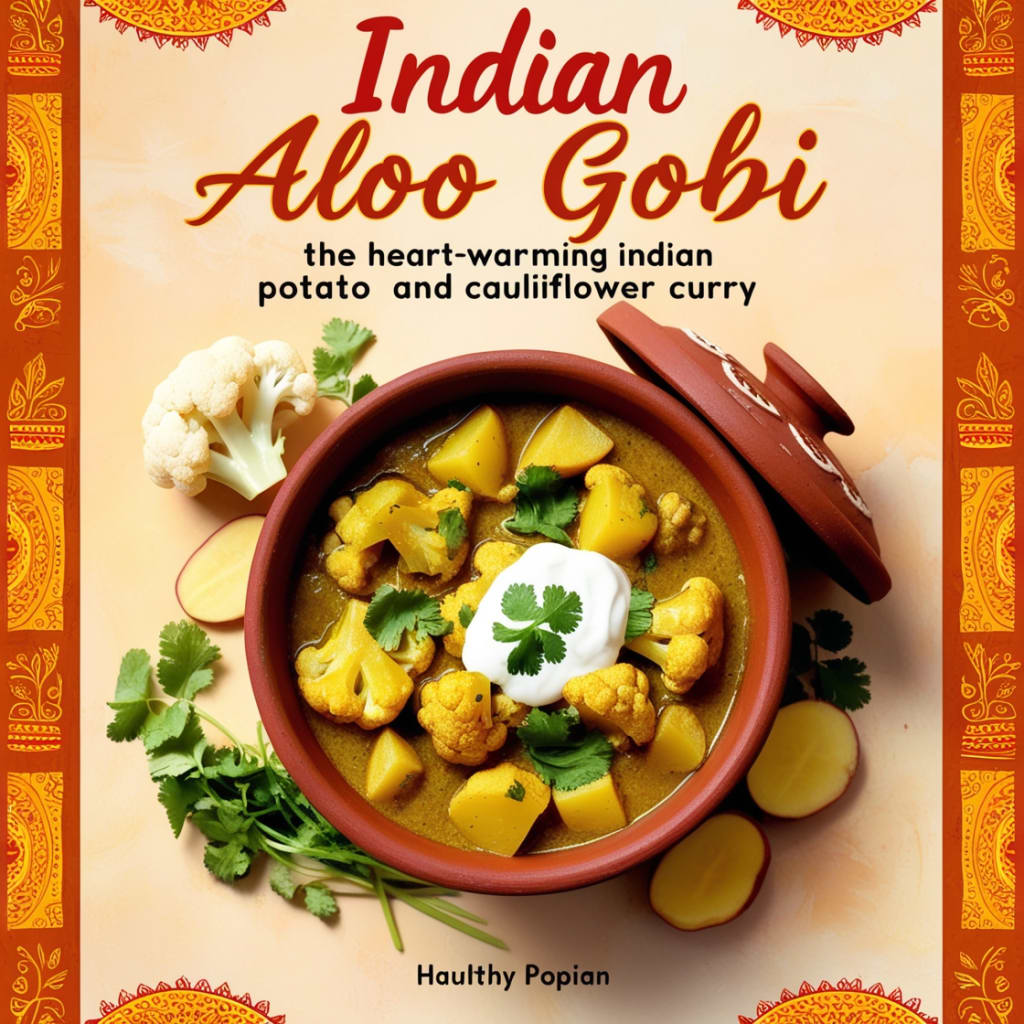
Indian Aloo Gobi - The Heart-warming Indian Potato and Cauliflower Curry.
Experience the Essence of Indian Comfort Food with Aloo Gobi
Introduction to Aloo Gobi
Aloo Gobi, a beloved vegetarian dish in Indian cuisine, showcases the delightful marriage of potatoes (aloo) and cauliflower (gobi) in a rich and flavorful curry. This simple yet delectable dish is often prepared in homes across India, and it is cherished not only for its taste but also for its nutritional value. In this comprehensive article, we will explore the origins of Aloo Gobi, its health benefits, the essential ingredients, cooking methods, regional variations, and tips for perfecting this iconic curry. Whether you're a seasoned cook or a curious beginner, Aloo Gobi is a dish that will warm your heart and delight your palate.
The Origins of Aloo Gobi
The origins of Aloo Gobi can be traced back to the northern regions of India, where it has been a staple for centuries. The dish is a perfect representation of Indian home cooking, where fresh vegetables are combined with aromatic spices to create a wholesome meal.
The combination of potatoes and cauliflower is not only delicious but also reflects the agricultural practices of the region, where both vegetables are abundantly grown. Over the years, Aloo Gobi has transcended regional boundaries, gaining popularity not just in India but also among food lovers worldwide.
The Nutritional Benefits of Aloo Gobi
Aloo Gobi is more than just a tasty dish; it is also a nutritious option packed with vitamins and minerals. Here are some of the key health benefits of this beloved curry:
- Rich in Nutrients: Potatoes are an excellent source of carbohydrates and provide essential vitamins like Vitamin C and B6. Cauliflower is low in calories but rich in fiber, antioxidants, and vitamins K and C.
- High in Fiber: The combination of potatoes and cauliflower provides dietary fiber, promoting digestive health and helping to maintain a healthy gut.
- Low in Calories: Aloo Gobi is relatively low in calories, making it a great option for those looking to maintain a balanced diet.
- Versatile and Satisfying: This dish can be served as a main course or a side dish, making it a versatile option for any meal.
Key Ingredients in Aloo Gobi
To prepare authentic Aloo Gobi, you will need a selection of fresh ingredients and spices. Here’s a breakdown of the essential components:
1. Potatoes (Aloo)
Potatoes are the primary ingredient, providing substance and a comforting texture. Waxy potatoes work well in this recipe, as they hold their shape better during cooking.
2. Cauliflower (Gobi)
Fresh cauliflower adds a unique texture and flavor to the dish. Choose a firm head of cauliflower with tightly packed florets for the best results.
3. Spices
The flavor of Aloo Gobi comes from a blend of spices that give it a fragrant and aromatic profile. Common spices include:
- Cumin seeds: Adds a warm, nutty flavor.
- Turmeric powder: Provides a vibrant yellow color and earthy taste.
- Coriander powder: Adds a hint of sweetness and citrus.
- Garam masala: A blend of warming spices that enhances the dish's complexity.
- Red chili powder: Adds heat and depth.
4. Onions
Finely chopped onions serve as the base for the curry, adding sweetness and depth of flavor.
5. Tomatoes
Fresh or canned tomatoes add acidity and help create a rich sauce that envelops the vegetables.
6. Ginger and Garlic
Fresh ginger and garlic add a punch of flavor and aroma that elevates the dish.
7. Fresh Cilantro
Chopped cilantro is often used as a garnish, adding freshness and color to the finished dish.
Traditional Cooking Methods for Aloo Gobi
Aloo Gobi can be prepared using various methods, each bringing out the unique flavors of the dish. Here are two popular methods for cooking this curry:
1. Stovetop Method
This traditional method involves cooking the ingredients in a pot on the stove.
- Prepare the Ingredients: Peel and chop the potatoes into bite-sized pieces, and cut the cauliflower into florets. Finely chop the onions, tomatoes, ginger, and garlic.
- Sauté the Onions: Heat oil in a large pan over medium heat. Add cumin seeds and let them splutter. Then, add the chopped onions and sauté until they turn golden brown.
- Add Ginger and Garlic: Stir in the ginger and garlic, cooking for another minute until fragrant.
- Add Tomatoes and Spices: Incorporate the chopped tomatoes along with turmeric powder, coriander powder, red chili powder, and salt. Cook until the tomatoes soften and the oil begins to separate from the mixture.
- Combine Potatoes and Cauliflower: Add the chopped potatoes and cauliflower to the pan, stirring to coat them in the masala. Add a splash of water to help the vegetables cook through.
- Cover and Cook: Cover the pan and let it simmer on low heat until the vegetables are tender, about 20-25 minutes. Stir occasionally and add more water if needed to prevent sticking.
- Finish with Garam Masala: Once the vegetables are cooked, sprinkle garam masala over the top and stir gently to combine. Garnish with fresh cilantro before serving.
2. Pressure Cooker Method
Using a pressure cooker significantly reduces the cooking time and ensures perfectly tender vegetables.
- Prepare the Ingredients: Follow the same preparation steps as the stovetop method.
- Sauté the Onions: In the pressure cooker, heat oil and add cumin seeds. Once they splutter, add the chopped onions and sauté until golden.
- Add Ginger, Garlic, and Tomatoes: Stir in the ginger, garlic, and chopped tomatoes along with the spices, cooking until the tomatoes soften.
- Combine Potatoes and Cauliflower: Add the potatoes and cauliflower, stirring to combine with the masala. Add a small amount of water to prevent burning.
- Pressure Cook: Close the lid of the pressure cooker and cook on high pressure for about 5 minutes. Allow the pressure to release naturally.
- Finish with Garam Masala: Once the pressure is released, open the lid and sprinkle garam masala over the curry. Stir gently and garnish with cilantro.
Regional Variations of Aloo Gobi
While the traditional Aloo Gobi recipe is beloved, regional variations showcase the diversity of Indian cuisine. Here are some notable adaptations:
1. Punjabi Aloo Gobi
In Punjab, Aloo Gobi is often made with a generous amount of spices, including amchur (dried mango powder) for tanginess. It may also include peas for added sweetness and texture.
2. Bengali Aloo Gobi
In West Bengal, this dish might incorporate mustard oil and nigella seeds, giving it a distinct flavor. Bengali cuisine often features a lighter preparation, with fewer spices.
3. South Indian Aloo Gobi
In South India, Aloo Gobi may include curry leaves and a touch of coconut for richness. It is often served with rice or dosa (fermented rice and lentil pancakes).
4. Aloo Gobi with Spinach
Some variations include spinach or other greens for added nutrition and color. This version is not only delicious but also visually appealing.
Pairing Aloo Gobi with Accompaniments
Aloo Gobi is a versatile dish that can be paired with a variety of accompaniments. Here are some popular options:
- Indian Bread: Serve Aloo Gobi with naan, roti, or paratha to scoop up the flavorful curry.
- Rice: Pair it with steamed basmati rice or jeera rice for a complete meal.
- Raita: A cooling yogurt-based side dish helps balance the spices and adds creaminess.
- Pickles and Chutneys: Indian pickles and chutneys, such as mango or mint chutney, add a burst of flavor to the meal.
Tips for Perfecting Your Aloo Gobi
To ensure your Aloo Gobi turns out perfectly every time, consider these helpful tips:
1. Use Fresh Ingredients: Fresh vegetables and spices yield the best flavor. Avoid using stale spices for optimal taste.
2. Adjust Spice Levels: Feel free to adjust the amount of red chili powder according to your heat preference. You can also experiment with other spices.
3. Cook the Vegetables Properly: Ensure that the potatoes and cauliflower are tender but not mushy. Keep an eye on the cooking time and adjust as needed.
4. Experiment with Flavors: Don’t hesitate to try different herbs or spices. Adding a pinch of kasuri methi (dried fenugreek leaves) can enhance the flavor profile.
5. Let it Rest: Aloo Gobi tastes even better when allowed to rest for a few hours or overnight, as the flavors meld together.
Conclusion: Embrace the Comfort of Aloo Gobi
Aloo Gobi is more than just a dish; it's a comforting embrace of flavors and aromas that embodies the spirit of Indian home cooking. Whether you are serving it for a family meal, a festive occasion, or simply as a delicious weekday dinner, this potato and cauliflower curry is sure to delight. With its rich history, nutritional benefits, and versatility, Aloo Gobi deserves a special place in your culinary repertoire.
So, gather your ingredients, roll up your sleeves, and embark on a flavorful journey through the world of Aloo Gobi. Your taste buds will thank you for the adventure. Feel free to expand on any section or let me know if you'd like additional information or recipes!
About the Creator
Md Obydur Rahman
Md Obydur Rahman is a passionate Story and Content Writer, known for crafting engaging narratives that resonate with readers. He skillfully weaves emotion and realism, bringing characters and stories to life.
Keep reading
More stories from Md Obydur Rahman and writers in Feast and other communities.
My Tous les Jours Trip
As someone who lives in a rural area, I don't get the chance to visit fancy restaurants or bakeries that often. So, when a friend told me about a French-Asian bakery that's less than an hour away, I knew I had to check it out and grab some pictures for social media. Tous les Jours ended up providing an immersive experience that went above and beyond my expectations--although I did leave with a few reservations.
By Kaitlin Shanks23 days ago in Feast
Orange Market Size and Forecast 2025–2033
Orange Market at a Glance (Renub Research) The Global Orange Market is expected to reach US$ 53.74 billion by 2033, up from US$ 38.45 billion in 2024, expanding at a CAGR of 3.79% from 2025 to 2033. Rising consumer demand for vitamin C–rich foods, the rapid growth of juice and beverage categories, health-conscious lifestyles, and the expanding use of oranges in cosmetics, pharmaceuticals, and functional foods are the primary growth engines. Export opportunities and favorable cultivation conditions across major producing regions further reinforce long-term market expansion.
By Aaina Oberoi5 days ago in Feast
Wild Card Weekend Recap: What Happens Now?
I think I figured out why I love Wild Card Weekend so much. It's because it's the first playoff anything of the calendar year. The NFL season starts in the fall, and once upon a time, the champion was crowned either on or slightly before New Year's. The evolution of the NFL schedule has resulted in the playoffs starting just into the New Year, and currently, the final week of the season falls on the first weekend of the New Year, with Wild Card Weekend coming a week after that. So yes, chronologically, the NFL's Wild Card Weekend serves as the first playoff anything of the calendar year.
By Clyde E. Dawkins6 days ago in Unbalanced




Comments
There are no comments for this story
Be the first to respond and start the conversation.