
Is Cheese as Addictive as Drugs?
Experts say a person can become additive to eating cheese.


According to Dr. Neal Barnard, nutrition researcher, author, and adjunct professor at the George Washington University School of Medicine, cheese can be addictive. He believes it so much that he wrote an entire book on the subject called The Cheese Trap. In the book, Barnard says that cheese contains some of the same addictive ingredients as some drugs, and he even refers to cheese as “dairy crack.”
Could that claim be true? Could cheese indeed be addictive?
Cheese Addiction: Is It Real?
Barnard says he conducted an experiment about 15 years ago that was backed by the National Institutes of Health. He noticed that the one food people wanted the most often was cheese. His study proved that cheese is really addictive because there are opiate chemicals in the dairy product that go to the brain receptors exactly the same way drugs do. However, cheese is not as strong when compared to pure heroin and morphine.
Barnard also discovered that people who eat cheese regularly can be as much as 15 pounds heavier than those who don't eat cheese very often. The average American eats about 60,000 calories from cheese every year.
Side effects of eating cheese include headaches, acne, and even infertility in women and men. That intense headache you have been experiencing could come from eating a slice or two of cheese pizza or a triple-cheese quesadilla.

Backlash About Cheese Being Addictive
Not everyone agrees with the case study that cheese is addictive. In fact, there has been some backlash over Barnard's claim. However, he still maintains that cheese is addictive. He says that most people can't go three weeks without eating a piece of cheese because it would take that long for the brain to stop craving it.
Food scientist Taylor Wallace, Ph.D., agrees with Barnard, noting that the bold flavors of cheese make the food addictive. Wallace does not agree that cheese can act in the same way as crack or other dangerous opioid drugs. He goes so far as to say the consumer can train his brain over a six-month period to crave any food, not just cheese.
Research conducted at Tufts University concluded that the brain can be trained to love healthy foods like broccoli. That's why people who have never had a food won't crave it because the brain doesn't know it exists.
Wallace contends that the bottom line is that if you love cheese, you don't have to fear that you will become a cheese addict. You can enjoy the food in many ways.
Many Ways to Enjoy Cheese
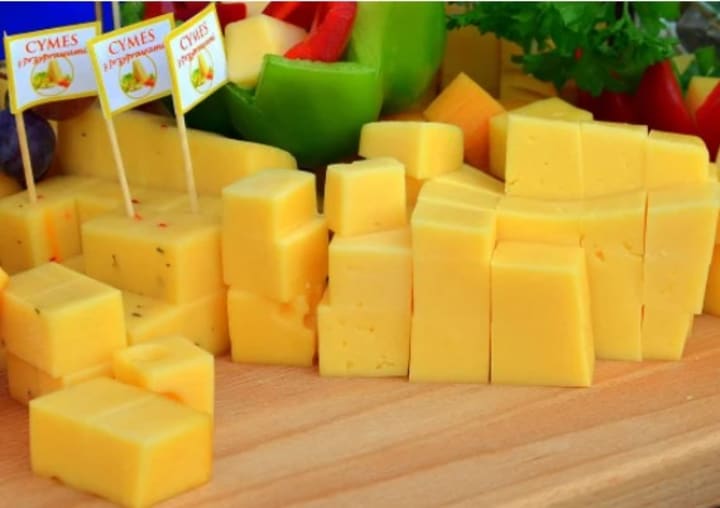
Cheese comes in slices, blocks, cubes, balls, and sticks. Therefore, there are many ways to enjoy it on its own. There is also a variety of ways to enjoy your favorite type of cheese in dishes.
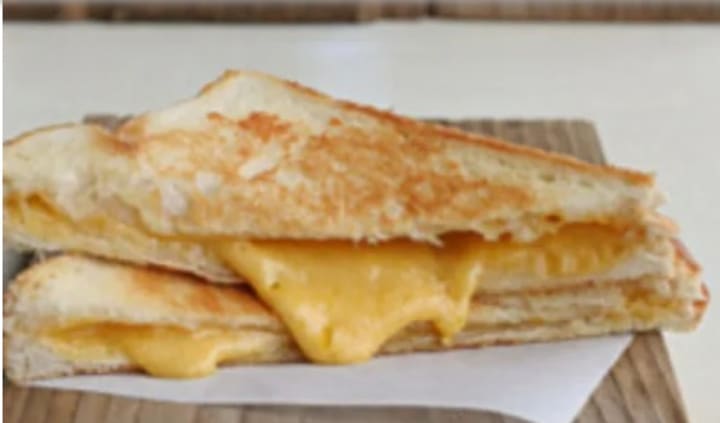
- grilled cheese sandwiches
- slices on hamburgers that become cheeseburgers
- shredded cheese in salads
- slices with ham or other meat
- made into a pizza
- cheese doodles
- combined with macaroni for that favorite mac and cheese dish
Should You Stop Eating Cheese?

Over the last decade, many studies have examined whether cheese is really addictive. Some studies suggest that milk products contain casein, a dairy protein that releases casomorphins. Casein triggers dopamine production in your brain. This makes cheese mildly addictive.
No one has advised consumers to stop eating cheese. The researchers just want the public to know why they crave mac and cheese, as well as cheese pizza and grilled cheese sandwiches.
In his book, Dr. Barnard asserts that if people didn't eat so much cheese, they would lose weight because the dairy product is loaded with calories, fat, and cholesterol. A single ounce of cheese has nine grams of fat.
Questions
- Do you love cheese?
- In what ways do you eat cheese?
About the Creator
Margaret Minnicks
Margaret Minnicks has a bachelor's degree in English. She is an ordained minister with two master's degrees in theology and Christian education. She has been an online writer for over 15 years. Thanks for reading and sending TIPS her way.
Keep reading
More stories from Margaret Minnicks and writers in Feast and other communities.
Frozen Blueberries Recalled: What Families Need to Know
You open your freezer to grab a handful of blueberries for a smoothie. It is part of your routine. Maybe you add them to oatmeal for your child before school. Maybe you bake them into weekend muffins. Frozen fruit feels safe. It feels simple. But then you see the headline: frozen blueberries recalled. Suddenly, that bag in your freezer does not feel harmless anymore. Questions rush in. Are they safe to eat? What brands are involved? What should you do next? Food recalls can be unsettling, especially when they involve everyday items. This article explains why frozen blueberries recalled announcements happen, what risks are involved, and how to protect yourself and your family without panic.
By Muqadas khan6 days ago in Feast
I was in a Toxic Relationship, with my Workplace
“You got that?” My ex yelled. His hands were balled into fists at his side. At six foot three, he towered over me. A normal person would have been afraid, but I looked up a video of George Lopez repeatedly saying, “I got this,” and showed it to him. I had grown used to this treatment, so much so that I didn’t blink when he ripped the phone from my hand and threw it across the room.
By Jade M.6 days ago in Confessions



Comments
There are no comments for this story
Be the first to respond and start the conversation.