

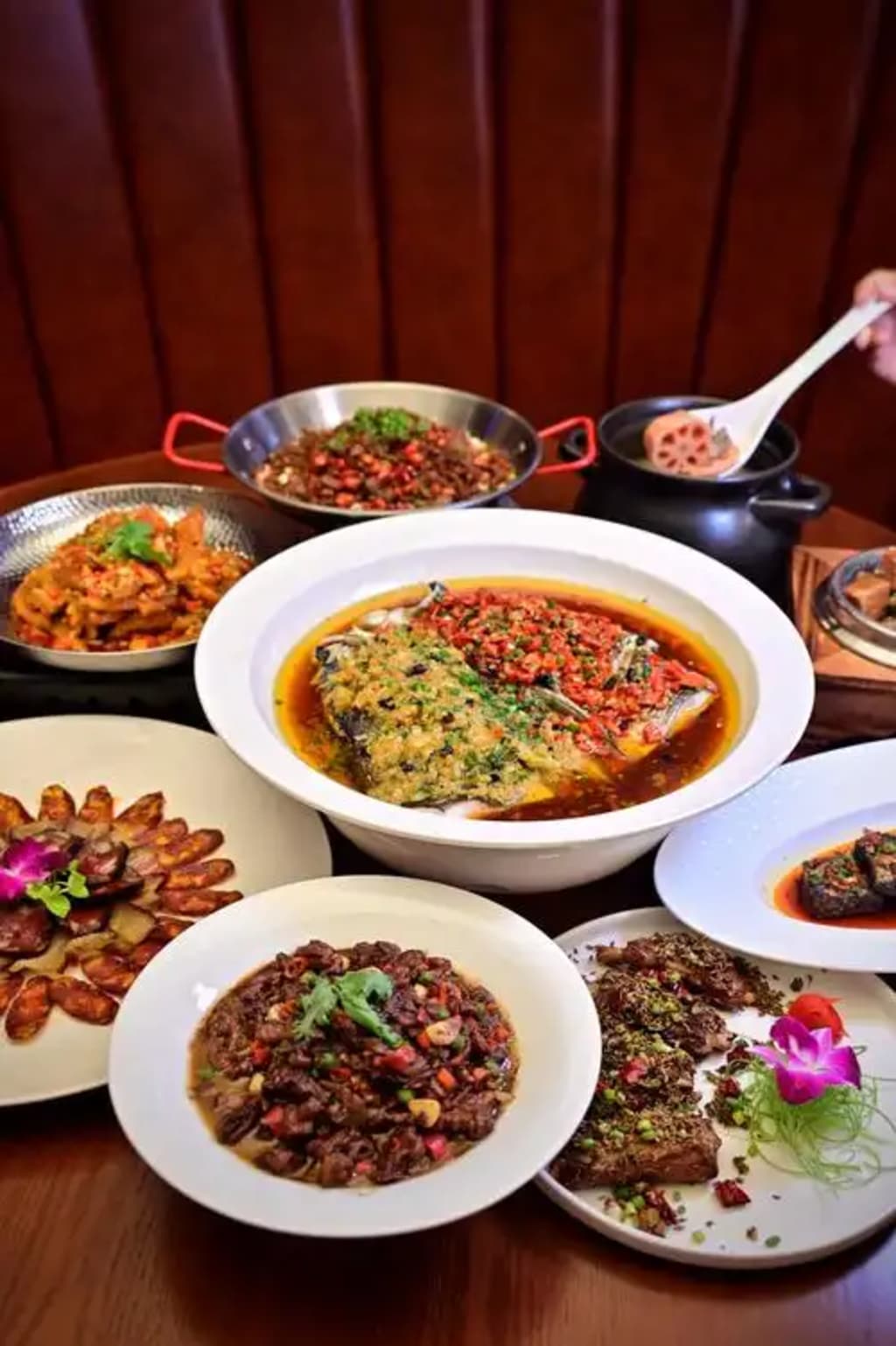
Hunan cuisine, also called Xiang cuisine, is a vibrant and fiery culinary tradition that hails from the southern Chinese province of Hunan. Renowned for its bold and spicy flavors, it has captured the hearts and taste buds of food enthusiasts both within China and around the globe.
A Glimpse into History
Hunan's culinary history dates back thousands of years. The region's geographical location, with its fertile plains, abundant rivers, and mountainous areas, provided a diverse range of ingredients. In ancient times, Hunanese people used local produce, game, and freshwater fish in their cooking. The use of chili peppers, which are now a staple in Hunan cuisine, was introduced relatively late, around the 16th century. However, they quickly became an integral part of the local diet, transforming the flavor profile of Hunan dishes.
During the Ming and Qing dynasties, Hunan cuisine began to take shape as a distinct culinary style. The development of trade routes and the growth of local cities led to an exchange of cooking techniques and ingredients, further enriching the cuisine.
The Fiery Flavors
Chili - The Heart of Heat
Chili peppers are the defining characteristic of Hunan cuisine. They are used generously in almost every dish, imparting a powerful and lingering spiciness. Hunan has a wide variety of chili peppers, each with its own unique flavor and heat level. The famous Hunanese chili oil, made by infusing oil with dried chili peppers and other spices, is a staple in many kitchens and is used to enhance the flavor and spiciness of dishes.
Pungent and Savory
In addition to chili peppers, Hunan cuisine also makes use of other pungent ingredients such as garlic, ginger, and shallots. These ingredients work together to create a complex and savory flavor profile. Fermented black beans, which add a rich umami taste, are also commonly used. For example, in the classic dish "Dongpo Pork with Fermented Black Beans," the combination of tender pork, the saltiness of the black beans, and the spiciness of chili peppers creates a harmonious blend of flavors.
Acidic Elements
To balance out the intense spiciness, Hunan cuisine often incorporates acidic elements. Vinegar is frequently used in dishes, either in the form of a dipping sauce or as an ingredient in the cooking process. It helps to cut through the heat and adds a refreshing tang to the overall flavor.
Signature Dishes
Mapo Tofu
Although Mapo Tofu is often associated with Sichuan cuisine, it also has a popular Hunanese version. Soft, silken tofu is cooked in a spicy sauce made with minced meat, chili oil, and a blend of spices. The dish is known for its numbing spiciness, with the soft texture of the tofu providing a wonderful contrast to the bold flavors.
Chairman Mao's Braised Pork
This dish is named after the famous Chinese leader Mao Zedong, who was from Hunan. It consists of large cubes of slow - braised pork belly. The pork is cooked in a sauce made from soy sauce, sugar, and a generous amount of chili peppers. The result is a dish with a rich, red - brown color, where the meat is tender and the fat has melted into a delicious, savory sauce. The spiciness of the dish is a nod to the bold flavors of Hunan cuisine.
Hunan - Style Fish Head with Diced Chili
A whole fish head is steamed and then topped with a generous amount of diced chili peppers, scallions, and other seasonings. The fish head is known for its tender and flavorful meat, and the chili peppers infuse it with a spicy kick. The dish is often served with noodles, which soak up the spicy and savory fish broth.
Stir - Fried Shredded Pork with Green Pepper
Thinly sliced pork is stir - fried with green peppers, garlic, and a spicy sauce. The green peppers add a fresh and slightly sweet flavor, while the spicy sauce and garlic give the dish its characteristic Hunanese kick. This dish is a popular home cooking(home - style dish) in Hunan households.
Cultural Significance
Hunan cuisine is deeply embedded in the local culture. It reflects the bold and passionate nature of the Hunanese people. Food is an important part of social gatherings, festivals, and family celebrations in Hunan. During the Chinese New Year, a variety of Hunanese dishes are prepared, with each dish carrying its own symbolic meaning. For example, fish is often served to represent abundance, and the spiciness of the food is believed to drive away evil spirits.
In conclusion, Hunan cuisine offers a unique and exciting culinary experience with its intense heat and complex flavors. From its historical roots to its signature dishes, it is a cuisine that continues to make a mark in the world of food. Whether you're a spice lover or just looking to explore new flavors, Hunan cuisine is sure to leave a lasting impression.
About the Creator
hello-word
As a Chinese person, love for the culture of my own country. Nowadays, the global exchange of information is becoming increasingly rapid. I also hope that more people can gain a deeper and more detailed understanding of Chinese culture.
Keep reading
More stories from hello-word and writers in Feast and other communities.
Zhejiang Cuisine
Zhejiang cuisine, also known as Zhe cuisine, is a celebrated culinary tradition in China, renowned for its delicate flavors, fine craftsmanship, and close association with the enchanting West Lake. This body of water not only serves as a source of inspiration for poets and artists but also plays a crucial role in shaping the unique characteristics of Zhejiang cuisine.
By hello-wordabout a year ago in Feast



Comments
There are no comments for this story
Be the first to respond and start the conversation.