

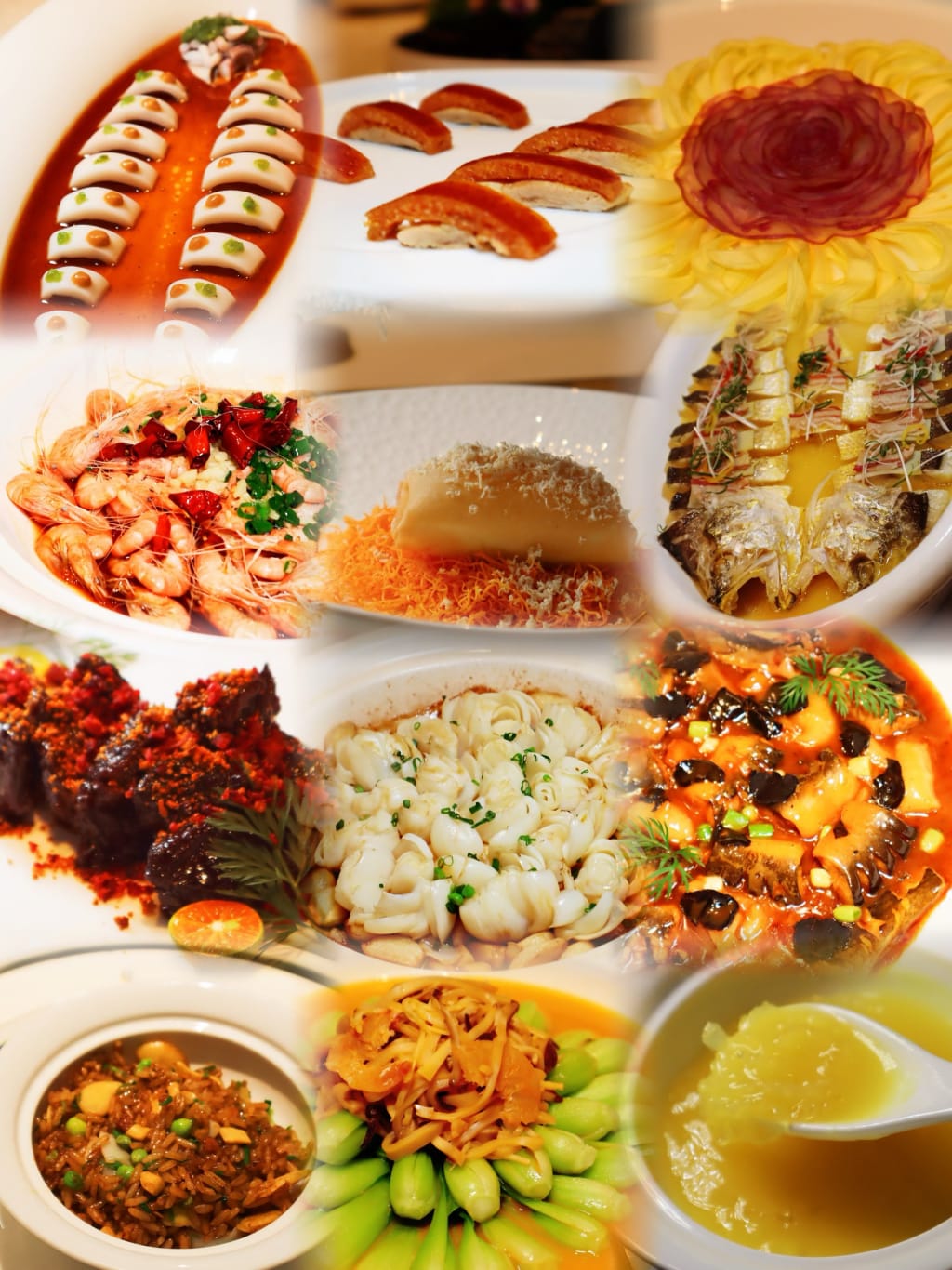
In the rich tapestry of Chinese cuisine, Huaiyang cuisine shines brightly as a paragon of elegance, finesse, and refined flavors. Originating from the Huai River and Yangtze River regions in southern China, this culinary tradition has a long - standing history that has been deeply influenced by the region's unique geographical features, prosperous economy, and vibrant culture.
A Storied History Steeped in Culture
The roots of Huaiyang cuisine can be traced back to the Spring and Autumn Period, over 2,500 years ago. The region, with its fertile plains, abundant waterways, and mild climate, provided an ideal environment for the development of a diverse and sophisticated cuisine. During the Sui and Tang dynasties, the Grand Canal, which passed through the Huaiyang area, further enhanced the region's economic prosperity. This led to an influx of merchants, scholars, and officials, all of whom contributed to the refinement of local culinary practices.
In the Ming and Qing dynasties, Huaiyang cuisine reached new heights of popularity. It became a favorite in the imperial courts, where its delicate flavors and exquisite presentation were highly regarded. The cuisine's elegance was not only a reflection of the region's prosperity but also of the cultural refinement of the local gentry and literati, who placed great emphasis on the art of dining.
The Delicate Selection of Ingredients
One of the hallmarks of Huaiyang cuisine is its meticulous selection of ingredients. The region's geographical location endows it with a bountiful supply of fresh and high - quality produce. The vast network of rivers, lakes, and canals provides an abundance of freshwater fish, shrimp, crabs, and other aquatic delicacies. The local fish, such as perch, bream, and carp, are known for their tender flesh and delicate flavor.
In addition to seafood, Huaiyang cuisine also makes use of a wide variety of seasonal vegetables, fruits, and grains. The fertile soil of the region yields fresh greens like spinach, watercress, and bamboo shoots, as well as fruits such as pears, peaches, and plums. These ingredients are carefully chosen based on their seasonality, ensuring that each dish showcases the best of what nature has to offer.
Huaiyang cuisine also places great importance on the quality of its condiments. Fine - aged soy sauce, fragrant vinegar, and high - quality salt are used to enhance the natural flavors of the ingredients without overpowering them.
Exquisite Cooking Techniques
Steaming: Steaming is a prevalent technique in Huaiyang cuisine, as it preserves the natural flavors and nutrients of the ingredients. Steamed fish is a classic example, where the fish is carefully prepared and steamed to perfection. The gentle cooking method allows the fish's delicate flavor to shine through, and it is often served with a simple sauce made from soy sauce, scallions, and ginger.
1.raising: Braising is another key technique. It involves slow - cooking meat or vegetables in a flavorful broth. Dishes like Braised Pork Belly in Huaiyang style are renowned for their tender texture and rich flavor. The pork belly is cooked slowly with a blend of seasonings, resulting in a dish that is both melt - in - the - mouth tender and full of complex flavors.
2.Slicing and Dicing: Huaiyang chefs are masters of knife skills. The precise slicing and dicing of ingredients not only enhance the visual appeal of the dishes but also affect the cooking process. For example, in the dish "Lion's Head" (a large meatball), the meat is carefully minced and combined with other ingredients, and the size and shape of the meatball are carefully controlled to ensure even cooking. In some vegetable - based dishes, the vegetables are sliced or diced into intricate shapes, adding an element of artistry to the plate.
3.Stir - Frying: Stir - frying is used to quickly cook a combination of ingredients. In Huaiyang cuisine, stir - fried dishes are often characterized by their lightness and freshness. The ingredients are cooked over high heat for a short time, retaining their crunch and natural color.
Signature Dishes that Define Elegance
1.Lion's Head: This is perhaps one of the most famous Huaiyang dishes. The large meatball, usually made from a mixture of pork and sometimes combined with crab meat or other ingredients, is slow - cooked in a rich broth. The meatball is soft and tender, with a delicate flavor, and it is often served with greens or other vegetables.
2.West Lake Vinegar Fish: Although it is often associated with Hangzhou (in the broader Huaiyang region), this dish is a classic example of Huaiyang cuisine's use of fresh fish. The fish is first steamed and then topped with a tangy and sweet sauce made from vinegar, sugar, and soy sauce. The combination of the fresh fish and the flavorful sauce creates a harmonious balance of tastes.
3.Yangzhou Fried Rice: A simple yet elegant dish, Yangzhou Fried Rice is made with cooked rice, eggs, ham, shrimp, peas, and other ingredients. The rice is stir - fried to a dry and fluffy texture, and the various ingredients are evenly distributed throughout the dish, creating a colorful and delicious combination.
4.Steamed Crab Dumplings: These delicate dumplings are filled with fresh crab meat and pork. The thin, translucent wrapper is carefully pleated, and the dumplings are steamed to perfection. When bitten into, they release a burst of savory broth and tender filling, a true delight for the taste buds.
The Influence of Huaiyang Cuisine
Huaiyang cuisine has had a profound influence on Chinese cuisine as a whole. Its emphasis on freshness, delicate flavors, and refined presentation has set a standard for elegance in cooking. Many other regional cuisines in China have borrowed techniques and ideas from Huaiyang cuisine.
In modern times, Huaiyang cuisine has also gained international recognition. It has been served at state banquets and diplomatic events, representing Chinese culinary culture on the global stage. Its popularity has spread to many countries around the world, with Huaiyang restaurants opening in major cities, introducing the elegance of southern Chinese cuisine to a global audience. Whether it's the artful presentation of its dishes, the careful selection of ingredients, or the mastery of cooking techniques, Huaiyang cuisine continues to be a symbol of the refined and sophisticated side of Chinese culinary heritage.
About the Creator
hello-word
As a Chinese person, love for the culture of my own country. Nowadays, the global exchange of information is becoming increasingly rapid. I also hope that more people can gain a deeper and more detailed understanding of Chinese culture.
Keep reading
More stories from hello-word and writers in Feast and other communities.
Shandong Cuisine
In the tapestry of Chinese cuisine, Shandong cuisine, also known as Lu cuisine, holds a place of honor as one of the most influential and time - honored culinary traditions. Originating from the Shandong province in northern China, it encapsulates the essence of the region, reflecting its rich history, geographical diversity, and cultural heritage.
By hello-wordabout a year ago in Feast
Astragalus: An Ornamental, Supportive, and Culinary Herb
Astragalus Root/Milkvetch Astragalus is a popular remedy for various ailments today. Commonly found in health food stores and herbal shops in the form of tinctures, grounded encapsulated powders, or as part of an herbal infusion, or sometimes added to teas, astragalus usually makes the list for its purported immune-system and energy-supporting benefits.
By J. Chauncey7 days ago in Feast
Becca
"Everything is so... flat." Denille said stupidly as she looked around her new neighborhood. She looked around at the muted desert where even the smallest sign of life seemed to have given up. The plant life was shrubs that were half cooked by the heat and where there should have been a lawn, a mess of white rocks laid glistening in the sun. Even the sky looked stretched thin, like the sun had ironed it smooth. She’d moved from Riverside, where at least there were hills, but here in Barstow, everything felt baked and brittle.
By Sara Wilsona day ago in Fiction


Comments
There are no comments for this story
Be the first to respond and start the conversation.