
Here are the 5 Highest-Profit Dishes in Restaurants – Order These, and the Cashier Beams with Joy
Here are the 5 Highest-Profit Dishes in Restaurants – Order These, and the Cashier Beams with Joy
In today's fast-paced world, cooking after work feels like a chore, and weekends call for a change of pace. Dining out has become a daily ritual for many. Yet, ordering off the menu hides a fascinating economics lesson—the more generously you order, the wider the smile behind the cash register. Some dishes, seemingly humble, carry profit margins that would astonish most diners. Today, we unveil the five restaurant dishes that make owners' hearts sing with joy. How many have you ordered?
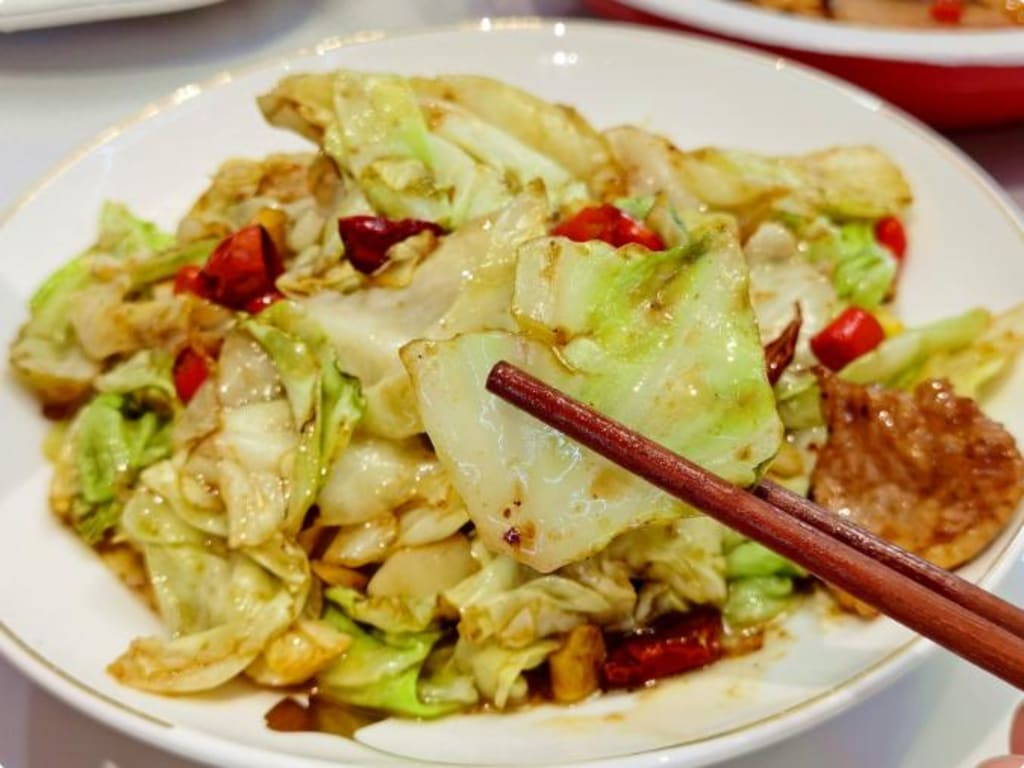
1. Stir-Fried Hand-Torn Cabbage
(Profit Driver: Cabbage Priced Like Premium Meat)
A plate arrives glistening—vibrant green cabbage leaves, stir-fried to a crisp-tender perfection, releasing an aroma tinged with garlic and chili. It’s the ultimate rice companion. But here’s the secret: its cost is astonishingly low. A fresh cabbage head costs mere pennies at the market. In the kitchen, the chef tears it apart in seconds, tosses it into a scorching wok with minced garlic, chilies, a splash of soy sauce, and vinegar. The magic lies entirely in the lightning-fast stir-fry technique and the balance of seasonings—minimal input, maximum flavor impact, sold at a price that belies its dirt-cheap origins.
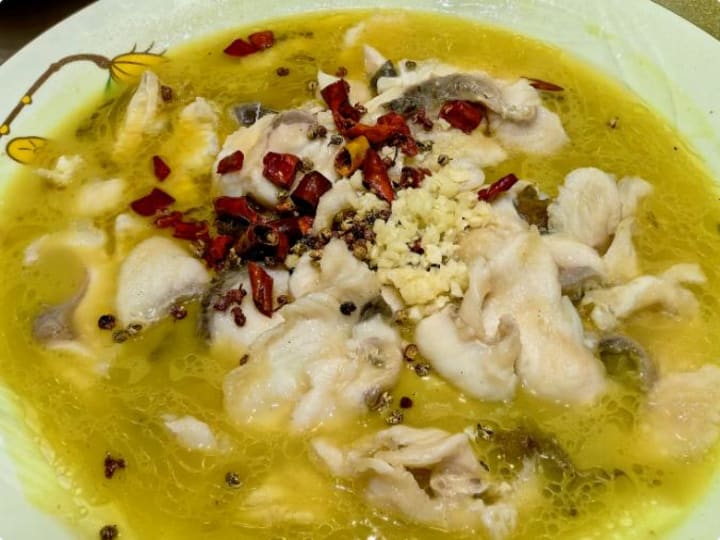
2. Sichuan Boiled Fish (Shui Zhu Yu)
(Profit Driver: Fishing for Profit in a Sea of Broth)
A fiery red cauldron arrives, brimming with chili oil and floating tender white fish slices—a visually dramatic spectacle promising bold flavors. However, the savvy diner knows: the layer of fish gracing the surface is often less substantial than it appears. How much usable fillet truly comes from a whole fish? The real volume lies beneath, where mountains of bean sprouts and leafy greens soak up the rich, numbing-spicy broth. Speaking of that broth—its intense flavor and striking color come from generous amounts of relatively inexpensive ingredients: oil, dried chilies, Sichuan peppercorns, and assorted seasonings. The broth’s cost-per-volume is low, while its visual and sensory impact justifies a premium price tag, making the dish a profit powerhouse.
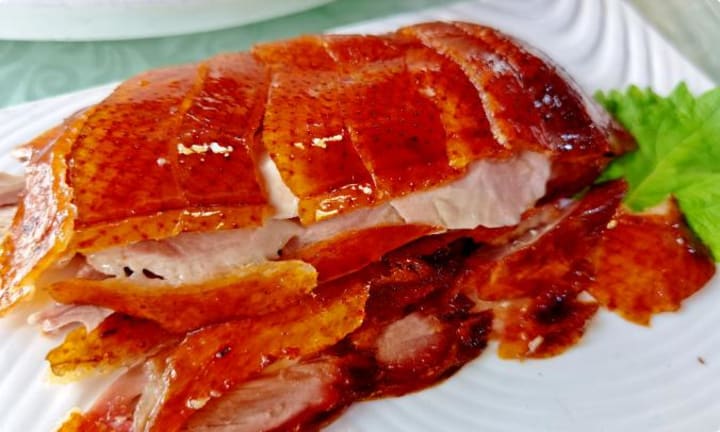
3. Roast Duck
(Profit Driver: One Duck, Three Revenue Streams, Endless Smiles)
The spectacle is part of the appeal: a glistening, golden-brown duck wheeled out, expertly carved tableside. Crispy skin, succulent meat, wrapped in thin pancakes with hoisin sauce and scallions—it’s pure indulgence. The profit magic, however, lies in the duck’s relatively low wholesale cost and its masterful utilization. A whole duck is affordable. Once carved, the premium skin and meat portions are sold per serving, instantly multiplying the value. Then comes the genius part: the leftover carcass. If the diner takes it home ("ya jia"), the kitchen saves on disposal. If they opt to have it transformed—into a rich duck bone soup or crispy Salt & Pepper Duck Bones—voila! A whole new, highly profitable dish is born from what was nearly waste. One duck, multiple revenue hits.
4. Mao Xue Wang (Spicy Blood and Offal Stew)
(Profit Driver: Offal's Glorious—and Profitable—Revival)
A bubbling volcanic pot arrives: a furious red sea of chili oil, teeming with duck blood curds, pork aorta (huanghou), tripe, luncheon meat, bean sprouts, and more. It’s a chaotic, sensory-overload feast. The profit margin thrives precisely on this "everything but the kitchen sink" approach. The core proteins—duck blood, aorta, tripe—belong to the category of offal or lesser cuts, inherently cheaper in the supply chain than prime meats. Luncheon meat and bean sprouts are champions of low cost. The fiery broth, while visually stunning and flavor-packed, relies heavily on oil, chilies, and peppercorns—ingredients whose cost is dwarfed by the dramatic presentation and the premium price the spectacle commands. It’s a masterclass in turning economical ingredients into a high-value centerpiece.
5. Mapo Tofu
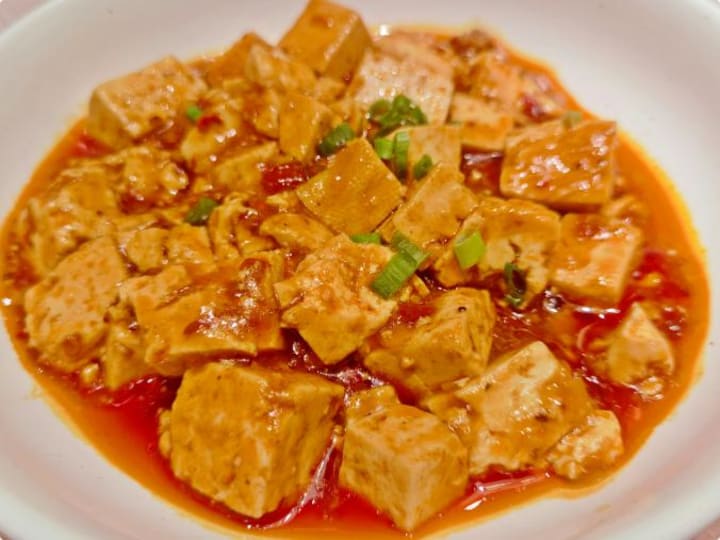
(Profit Driver: Turning Humble Tofu into Culinary Gold)
The grand finale is this deceptively simple Sichuan classic: silken tofu cubes swimming in a thick, luminous red sauce that delivers a punch of ma-la (numbing-spicy), savory, aromatic heat, topped with a confetti of fresh scallions. Paired with steamed rice, it’s pure comfort. The profit secret lies squarely with its star ingredient: tofu. It’s the undisputed bargain king of the culinary world—dirt cheap by the block. A skilled chef transforms this modest bean curd into a luxurious-tasting dish. The scant amount of minced pork (or beef) acts merely as a flavor enhancer. The true hero is the complex, deeply flavorful sauce built from affordable seasonings—doubanjiang (fermented bean paste), chili oil, Sichuan peppercorn powder, soy sauce. The cost-to-price ratio here is exceptionally favorable, making this humble dish a silent profit champion.
The Joy of Dining: Savvy Choices, Unfettered Enjoyment
The essence of great food lies in that moment of relaxed satisfaction amidst the vibrant energy of a restaurant. While it’s empowering to understand the economics behind the menu, dining should ultimately be about pleasure, not penny-pinching anxiety. True value isn't found merely in cost breakdowns, but in the warmth of shared dishes, the spark of flavor on the tongue, and the simple joy of unhurried enjoyment. When that steaming plate arrives, savor the experience—the delight on your palate and the ease in your spirit are the truly priceless ingredients.
Understanding restaurant economics enhances our appreciation for the craft and business behind the meal. Chefs transform raw materials, balancing cost, skill, and flavor to create experiences we crave. While certain dishes yield higher margins due to ingredient costs and preparation efficiency, their popularity also speaks to their delicious success. Ultimately, a restaurant thrives not just on profit per plate, but on consistent quality, atmosphere, and service that keeps guests returning. So order wisely if you wish, but dine heartily. The shared laughter, the discovery of a new favorite flavor, the memory created over a table laden with food—these are the returns on investment that truly nourish us, far exceeding any line item on a balance sheet. The smart diner enjoys the meal, appreciates the artistry, and leaves satisfied—knowing that sometimes, the best value is simply the experience itself.
About the Creator
My Tous les Jours Trip
As someone who lives in a rural area, I don't get the chance to visit fancy restaurants or bakeries that often. So, when a friend told me about a French-Asian bakery that's less than an hour away, I knew I had to check it out and grab some pictures for social media. Tous les Jours ended up providing an immersive experience that went above and beyond my expectations--although I did leave with a few reservations.
By Kaitlin Shanks25 days ago in Feast
Global Flour Market Size and Forecast 2025–2033
Introduction Flour, one of humanity’s oldest and most essential food ingredients, continues to power modern food systems in ways few other commodities can match. From bread and pastries to noodles, snacks, and ready-to-eat meals, flour remains a foundation of daily nutrition across cultures and economies. While deeply rooted in tradition, the flour industry today is undergoing a significant transformation driven by evolving consumer lifestyles, technological advancements in milling, and increasing emphasis on health and sustainability.
By Marthan Sir7 days ago in Feast
My New Book is Finally Here
My poetry collection Beautiful and Brutal Things is done. It's actually done and finally published over 270 pages. Over a year of my life went into this book. More than a year, really. Long days at my computer, sometimes seven days a week because I couldn't stop even when I probably should have. Then two months of editing that felt harder than the writing itself. But it's finished, and I'm still standing, and the book is real.
By Tim Carmichael3 days ago in BookClub




Comments
There are no comments for this story
Be the first to respond and start the conversation.