
Guava vs. Amla: Which Packs More Vitamin C?
Which is the Better Option?
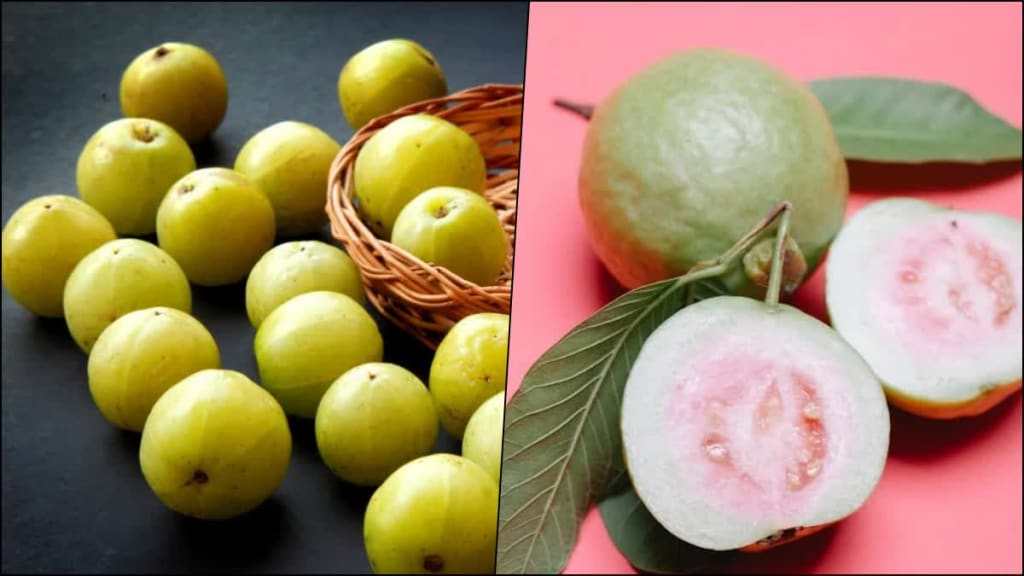
In the realm of winter Superfoods, guava and Amla stand out as nutrient powerhouses, long celebrated in traditional remedies. Both fruits are rich in essential vitamins and minerals, but if you had to pick one, which would be the ultimate health booster? Let’s compare their nutritional profiles, health effects, and overall benefits to see which one truly takes the crown.
There are numerous ways one can compare Guava and Amla. Aside the Vitamin C content, you can compare the effects of these great fruits on the overall nutritional benefits, digestive capabilities, and abilities to strengthen immunity. Read the guide below to learn more about what you will likely gain from each power house.
1. Nutritional Showdown: Guava vs. Amla
Guava is a treasure trove of vitamin C, fiber, and antioxidants. A single guava provides over 200% of your daily vitamin C requirement! It’s also packed with potassium, which promotes heart health.
Amla, often called the “Indian gooseberry,” is another vitamin C superstar. Just 100 grams of amla delivers 600–700 mg of vitamin C, although you don’t need to consume that much in one go. It also boasts iron, calcium, and potent antioxidants like tannins and flavonoids, which help detoxify the body.
While both fruits are excellent sources of vitamin C, amla slightly outshines guava due to its higher antioxidant content and broader nutrient profile.
2. Immunity and Overall Health Benefits
Both guava and amla are immune-boosting champions.
• Guava enhances immunity with its high vitamin C content, protects cells from oxidative damage, and aids in collagen production for healthy skin.
• Amla not only bolsters immunity but also acts as a natural detoxifier, flushing out toxins, supporting liver health, and improving digestion. Its anti-inflammatory properties are particularly beneficial for managing chronic conditions like arthritis and diabetes.
According to the Department of Forests and Wildlife, Government of Delhi, amla is an excellent source of vitamin C that alleviates common cold symptoms, improves digestion, and strengthens overall immunity.
Verdict: Amla’s detoxifying and anti-inflammatory properties give it a slight edge over guava in terms of overall health benefits.
3. Digestive Health: Who Wins?
• Guava is rich in dietary fiber, making it excellent for promoting digestion and preventing constipation. Its seeds also act as a mild laxative, further supporting gut health.
• Amla is renowned for soothing the digestive system. It alleviates acidity, regulates bowel movements, and enhances the production of digestive enzymes. Widely used in Ayurvedic medicine, amla is effective in treating indigestion and bloating.
Verdict: While guava excels in promoting gut health with its fiber content, amla’s soothing and regulatory properties make it the winner for digestive health.
4. Blood Sugar and Heart Health
• Guava is a diabetic-friendly fruit with a low glycemic index. Its high fiber content helps slow sugar absorption, while potassium and magnesium contribute to heart health. A 2016 study also found that consuming guava without its peel is particularly effective in reducing blood sugar levels.
• Amla is a wonder fruit for blood sugar management. It improves insulin sensitivity, reduces sugar spikes, and strengthens blood vessels. Additionally, its vitamin C and antioxidants help lower cholesterol levels.
Verdict: Both fruits are heart-healthy and suitable for diabetics, but amla’s cholesterol-lowering properties give it a slight advantage.
Conclusion: Which Deserves the Crown?
While guava and amla are both nutritional powerhouses, amla takes the lead overall. Its higher vitamin C content, superior antioxidant profile, and broader health benefits—ranging from improved immunity to better digestion and cholesterol management—make it the ultimate winter superfood.
That said, both fruits are excellent choices for a healthy diet, and including both in your routine can ensure you reap the benefits of these nutrient-packed superfoods.
About the Creator
Emma Ade
Emma is an accomplished freelance writer with strong passion for investigative storytelling and keen eye for details. Emma has crafted compelling narratives in diverse genres, and continue to explore new ideas to push boundaries.




Comments (1)
I don't know this fruits, they look delicious!