
Grandma’s Magic Soup: How a Bowl of Broth Saved My Soul (and My Stomach)
A heartwarming tale of family, tradition, and the one dish that never fails to cure all ailments—real or imaginary

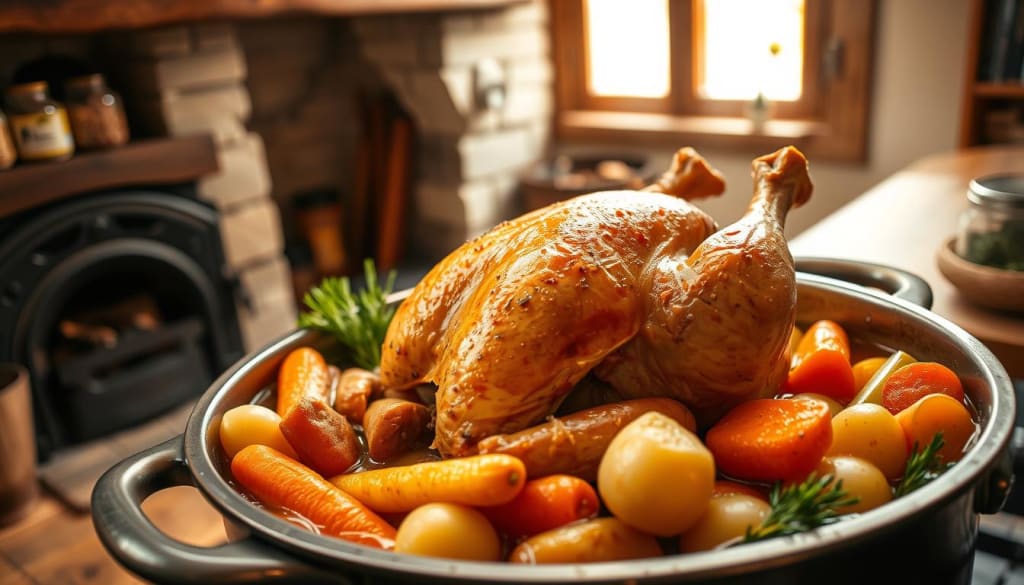
There are dishes that fill our stomachs, and then there are dishes that fill our hearts. My grandmother’s chicken soup falls into the latter category. More than just a meal, this simple yet soul-nourishing dish has been a symbol of comfort, healing, and family unity for as long as I can remember.
The Story Behind the Soup
Growing up, my grandmother’s kitchen was a sacred place, a realm where magic happened daily. Every Sunday, rain or shine, she would prepare her legendary chicken soup—a golden elixir that could chase away colds, mend broken hearts, and even, according to family legend, bring luck on exam days.
The first time I truly appreciated this soup was during one of my worst flu episodes. Feverish and miserable, I lay in bed convinced that my young life was nearing its tragic end. Then, like an angel in a floral apron, my grandmother appeared with a steaming bowl of her famous broth. One spoonful, and I felt the warmth spread through my body like a gentle hug. By the time I reached the bottom of the bowl, I was convinced I had cheated death.
But this soup isn’t just about nostalgia—it carries a deeper cultural significance. Passed down through generations of our Eastern European family, it represents resilience and love. Every ingredient tells a story, and every simmering pot links us to our ancestors, who made the same soup in kitchens that smelled just as warm and inviting.
The Ritual of Making Soup
Making this soup wasn’t just a routine—it was a sacred ritual. My grandmother had a method that she followed religiously, as though the entire world depended on the precise timing of adding each ingredient. The chicken had to be fresh, the vegetables hand-picked from the market, and the dill cut only at dawn when the air was crisp. As a child, I found these steps excessive, but as I grew older, I realized that it wasn’t just about making soup—it was about honoring tradition.
Each ingredient had a purpose beyond just flavor. The carrots added a touch of sweetness, symbolizing the joys of life. The bay leaf carried protective properties, ensuring that those who ate the soup would stay safe. The long simmering process represented patience and the passage of time, reminding us that good things come to those who wait.
Even the act of sharing the soup was significant. No one ate alone when there was a pot of Grandma’s soup on the stove. She believed that meals were meant to bring people together, to encourage laughter, storytelling, and connection. To this day, I can’t eat this soup without feeling the warmth of those memories.
The Recipe: Grandma’s Magic Chicken Soup
Now, it’s my turn to pass on this legacy. While I can’t guarantee it will cure all your ailments, I can promise that it will warm your soul and make you feel, if only for a moment, like you’re wrapped in a grandmother’s embrace.
Ingredients:
- 1 whole chicken (about 4 lbs), preferably organic
- 10 cups water
- 3 large carrots, peeled and chopped
- 2 celery stalks, chopped
- 1 large onion, peeled and halved
- 4 cloves garlic, smashed
- 1 parsnip, peeled and chopped (optional, but Grandma swore by it!)
- 1 small bunch fresh dill
- 1 bay leaf
- 1 teaspoon whole black peppercorns
- 2 teaspoons salt (adjust to taste)
- 1 cup egg noodles (optional, but highly recommended)
- 1 teaspoon turmeric (for added warmth and healing properties)
- ½ teaspoon paprika (for a subtle depth of flavor)
Instructions:
1- Prep the Magic: Place the whole chicken in a large stockpot and cover with water. Bring to a gentle boil over medium heat, skimming off any foam that rises to the surface.
2- Infuse with Love: Add the carrots, celery, onion, garlic, parsnip, dill, bay leaf, peppercorns, turmeric, paprika, and salt. Reduce heat to a simmer and let it cook for about 90 minutes, uncovered.
3- Extract the Goodness: Remove the chicken from the pot and let it cool slightly. Shred the meat and discard the bones. Strain the broth to remove solids, then return the shredded chicken to the pot.
4- The Finishing Touch: If using egg noodles, cook them separately according to the package instructions and add them to the soup just before serving.
5- Serve & Heal: Ladle into bowls, garnish with extra fresh dill, and enjoy while reminiscing about your own family traditions.
The Deeper Meaning of Food and Family
This soup has been more than a meal in my life—it’s been a remedy, a ritual, and a reminder that love can be ladled into a bowl. Whether you’re sick, sad, or simply craving something deeply comforting, Grandma’s Magic Soup has got you covered. Just don’t forget to make enough to share—because, as my grandmother always said, "The best meals are the ones eaten together."
Food, at its core, is more than sustenance. It is a way to connect generations, to keep memories alive, and to express love in its purest form. In every culture, there are dishes that tell a story—whether it’s a Sunday roast, a holiday dessert, or a cherished family soup. These meals remind us of who we are, where we come from, and the people who have shaped our lives.
I still make this soup on Sundays, just as my grandmother did. And each time, as the aroma fills my kitchen, I feel her presence, guiding my hands, whispering the secret to a perfect broth. "Patience," she would say, "and a whole lot of love."
The Science Behind the Magic
Beyond nostalgia, there is actual science behind why this soup feels so healing. The warm broth helps to clear nasal congestion, the gelatin from the bones supports gut health, and the garlic and onions have antimicrobial properties. Turmeric and black pepper together enhance anti-inflammatory benefits, while the dill provides antioxidants. It’s no wonder that generations of grandmothers have prescribed chicken soup as the ultimate cure for all that ails you.
There’s also a psychological aspect to food and healing. The act of preparing a family recipe connects us to our ancestors, creating a sense of continuity and belonging. Sharing a meal strengthens relationships, and the simple act of being cared for—whether by a loved one or by making the soup yourself—can have a powerful impact on emotional well-being.
Keeping the Tradition Alive
The responsibility of keeping family traditions alive often falls on younger generations. I now find myself in that role, making the soup for my own family and ensuring that my children understand its significance. I teach them how to carefully choose the ingredients, how to skim the broth with patience, and how to recognize when the soup is "just right." More than that, I teach them that this isn’t just about cooking—it’s about remembering.
Every family has a dish like this—something that ties them to their roots and brings back warm memories. Maybe it’s your mother’s apple pie, your grandfather’s secret barbecue sauce, or the bread your great-aunt made from scratch. These foods don’t just nourish us; they remind us of who we are.
So the next time you crave comfort, consider making a dish from your own family’s history. And if you don’t have one, feel free to adopt my grandmother’s magic soup—it has plenty of love to go around.
Bon appétit—or as Grandma would say, "Eat up and be happy!"
About the Creator
Alain SUPPINI
I’m Alain — a French critical care anesthesiologist who writes to keep memory alive. Between past and present, medicine and words, I search for what endures.
Keep reading
More stories from Alain SUPPINI and writers in Feast and other communities.
Mastering French Without Losing Your Sanity: A Realistic Guide for Beginners
Learning French can feel like solving a Rubik’s Cube blindfolded. The tricky pronunciation, the never-ending grammar rules, and the surprising exceptions make it seem impossible. But don’t worry—equipping yourself with key expressions and effective strategies can turn frustration into fluency. Let’s simplify French and make learning enjoyable.
By Alain SUPPINIExclusive • 11 months ago
My Tous les Jours Trip
As someone who lives in a rural area, I don't get the chance to visit fancy restaurants or bakeries that often. So, when a friend told me about a French-Asian bakery that's less than an hour away, I knew I had to check it out and grab some pictures for social media. Tous les Jours ended up providing an immersive experience that went above and beyond my expectations--although I did leave with a few reservations.
By Kaitlin Shanks24 days ago in Feast
North America Pasta Market Size & Forecast 2025–2033
Introduction Pasta has quietly transformed from a traditional Italian staple into a universal comfort food across North America. Once associated mainly with classic recipes and home cooking, it now appears in gourmet menus, meal kits, microwaveable bowls, and plant-based diets. According to Renub Research, the North America pasta market was valued at US$ 6.23 billion in 2024 and is projected to reach US$ 8.91 billion by 2033, expanding at a CAGR of 4.05% from 2025 to 2033.
By Janine Root 8 days ago in Feast




Comments (1)
I love magic soup! Sounds delicious’