
Global Chocolate Market Size and Forecast 2025–2033
Premiumization, Sustainability, and Innovation Shape the Future of the US$ 205.39 Billion Chocolate Industry


The global chocolate market continues to satisfy taste buds across continents, evolving into one of the most resilient and dynamic segments of the global food and beverage industry. According to Renub Research, the global chocolate market was valued at US$ 138.45 billion in 2024 and is projected to grow at a CAGR of 4.48% from 2024 to 2033, reaching US$ 205.39 billion by 2033. This growth is driven by rising indulgence consumption, health-oriented dark chocolate demand, expanding distribution networks, and the rapid penetration of premium, artisanal, and sustainable product categories.
The Global Chocolate Market & Forecast 2025–2033 report covers detailed segmentation by chocolate type (Dark & Milk/White), distribution channel (Hypermarkets/Supermarkets, Convenience Stores, Online Retail Stores & Other Channels), along with extensive regional and company-level analysis.
Global Chocolate Market Overview
Chocolate, derived from the seeds of the tropical Theobroma cacao tree, is one of the world’s most iconic and universally enjoyed foods. Its production involves fermenting, drying, roasting, and grinding cacao beans to create cocoa mass — the foundational ingredient for dark, milk, and white chocolate. Variations in cocoa solids, cocoa butter, milk, and sugar ratios create a wide spectrum of flavors, textures, and aromas.
Beyond being a delight for the senses, chocolate plays a central role in global culinary culture. It is widely used in desserts, cakes, pastries, cookies, brownies, and beverages such as hot chocolate and milkshakes. It is also closely linked with celebrations, gifting, festivals, and personal milestones. In recent years, dark chocolate has expanded its appeal due to its antioxidant properties, potential cardiovascular benefits, and ability to improve mood.
Interestingly, chocolate has also made its way into cosmetics, where its hydrating, antioxidant-rich formulation supports multiple skincare products.
Global Chocolate Distribution Landscape
The worldwide chocolate distribution system is structured around well-established supply chains connecting cocoa-growing nations with chocolate manufacturers and retail channels. Countries like Switzerland, Belgium, the U.S., Germany, and the U.K. are internationally known for their high-quality chocolates.
Distribution takes place through:
Hypermarkets & Supermarkets
Specialty chocolate boutiques
Convenience stores
Online retail and direct-to-consumer models
Cadbury’s distribution strength alone reaches more than one million outlets worldwide, including India, China, Australia, and the UK — giving the brand near-universal visibility in urban markets.
In March 2025, Hotel Chocolat, acquired by Mars for £534 million in January 2024, opened two new Chicago stores and is preparing to launch 25 new UK stores within 12 months. The brand currently operates 147 UK stores, 68 of which have Café concepts, highlighting the rapid expansion of experiential chocolate retail.
Global Chocolate Industry Statistics and Key Trends
Consumer preferences are shifting toward healthier, sustainable, and ethically produced chocolates, which has reshaped production and product development strategies.
Key statistics & developments include:
Switzerland leads per-capita consumption, averaging 8–9 kg per person per year.
The United States remains the largest single chocolate market.
Ivory Coast and Ghana produce over 60% of the world’s cocoa beans, making West Africa central to the global supply chain.
Rapid growth in dark chocolate sales aligns with global health-conscious consumption.
Major investments underscore the market’s momentum:
Nestlé India Ltd plans to invest ₹4,200 crore by 2025 to expand chocolate, noodles, and coffee manufacturing.
Nestlé Australia is investing A$30 million in AI-driven KitKat production upgrades in 2025.
The “Beyond Chocolate” alliance (Belgium) aims to make 100% of the country’s chocolate sustainable by 2025.
Ferrero North America opened a $214 million Kinder Bueno facility in Bloomington in October 2024.
ALDI’s Choco Changer chocolate bar (2024) reflects rising demand for Fairtrade-certified, ethically sourced products.
Foreverland (Italy) raised €3.4 million for a sustainable carob-based chocolate alternative.
Bühler announced a smart factory plan for Switzerland’s Kägi Söhne, signaling the rise of automated chocolate production.
Growth Drivers in the Global Chocolate Market
1. Rising Demand for Premium and Artisanal Chocolates
The premium chocolate movement is reshaping the global industry. Consumers — especially millennials and Gen Z — increasingly value:
Ethical sourcing
Unique, gourmet flavor profiles
Organic ingredients
Minimal processing
Beautiful, gift-worthy packaging
Premium brands are releasing limited-edition collections, seasonal boxes, origin-specific chocolates, and fine-cacao products. In October 2024, GODIVA launched its Belgian Heritage Collection in the U.S., featuring 12 premium chocolates crafted in Brussels — a nod to nearly a century of artisanal legacy.
2. Growing Popularity of Dark Chocolate
Dark chocolate is a standout growth segment due to:
High antioxidant content
Potential cardiovascular benefits
Reduced inflammation
Better mood regulation
Companies are innovating with:
Sugar-free dark chocolate
Vegan formulations
High-cocoa variants
Functional chocolates enriched with adaptogens, vitamins, and minerals
In February 2023, Mars Wrigley India launched its 70% cocoa GALAXY Fusions Dark, tailored for health-conscious Indian consumers.
3. Rising Chocolate Demand in Emerging Markets
Rapid urbanization and rising incomes across India, China, Indonesia, and Brazil are boosting chocolate consumption. Enhanced distribution networks, modern supermarkets, and e-commerce have expanded accessibility.
Global brands are introducing locally inspired flavors and affordable packs to build customer loyalty.
For example, Mondelez International’s Toblerone transformation into a luxury brand through its “Never Square” campaign helped reposition the iconic pyramid bar with new formats like Toblerone Truffles.
Challenges Facing the Global Chocolate Market
1. Volatility in Raw Material Prices
Cocoa bean prices are highly sensitive to:
Weather patterns
Crop diseases
Political instability in West Africa
Labor disruptions
Rising demand for sustainably produced cocoa also increases sourcing costs, especially for small and mid-sized chocolate producers.
2. Health and Environmental Concerns
Consumers are increasingly aware of:
High sugar and fat content
Deforestation linked to cocoa farming
Child labor issues
High carbon footprint of chocolate production
As regulatory bodies tighten sustainability requirements, manufacturers must invest heavily in:
R&D
Ethical certifications
Reformulated products
Cleaner supply chains
These necessary investments increase costs and may challenge smaller brands.
Segment Analysis
1. Dark Chocolate Market
The dark chocolate category is growing rapidly due to health benefits and premium positioning. Innovation trends include:
Superfood-infused chocolates
Low-sugar and no-sugar bars
Organic and fair-trade offerings
Mondelez’s June 2024 acquisition of Hu Master Holdings highlights the push toward clean-label, paleo, and vegan dark chocolate.
2. Hypermarkets/Supermarkets Segment
Hypermarkets remain the strongest global distribution channel due to:
Wide product variety
Competitive pricing
Heavy foot traffic
Seasonal and festive sales spikes
Asia-Pacific’s booming organized retail market is a major growth driver, making supermarkets the backbone of chocolate purchases.
Regional Market Breakdown
United States
The U.S. is one of the most influential chocolate markets globally, driven by:
High consumer demand
Strong presence of Hershey’s, Mars, Lindt, Nestlé
Premium/artisanal chocolate growth
Seasonal chocolate surges (Valentine’s, Easter, Christmas)
Increasing adoption of dark chocolate
In December 2024, Lindt & Sprüngli USA debuted Lindt Dubai Chocolate in New York City — a premium, globally inspired offering.
Switzerland
Switzerland is synonymous with luxury chocolate. With brands like Lindt, Toblerone, and Nestlé, the country sets international quality benchmarks. Swiss consumers also have one of the world's highest per-capita chocolate consumption rates.
In September 2023, Oro de Cacao’s FrEAK bar entered major Swiss retail chains, responding to rising demand for low-sugar, organic chocolate.
India
India is among the fastest-growing chocolate markets due to:
Rising urbanization
Expanding middle class
Festive gifting culture
Youth-driven consumption
Wider supermarket penetration
Cadbury and Nestlé dominate, while premium imported chocolates are gaining traction in major cities.
Brazil
Brazil is Latin America’s largest chocolate market and also a major cocoa producer. The country’s chocolate culture is extremely strong, especially during Easter, when sales skyrocket due to chocolate eggs.
Growing preference for dark and sugar-free chocolates aligns with rising health awareness.
Market Segmentation
By Type:
Dark Chocolate
Milk/White Chocolate
By Distribution Channel:
Hypermarkets/Supermarkets
Convenience Stores
Online Retail Stores
Other Distribution Channels
Regional Coverage:
North America, Europe, Asia-Pacific, Latin America, Middle East & Africa
(with country-level breakdown)
Major Companies Profiled
Nestlé S.A.
Mondelez International, Inc.
AMUL Industries Pvt Ltd
The Hershey Company
Meiji Holdings Co. Ltd.
Saputo Inc.
Chocoladefabriken Lindt & Sprüngli AG
Hotel Chocolat Group plc
Final Thoughts
Chocolate may be a timeless indulgence, but today’s market is more dynamic and innovative than ever. Fueled by premiumization, health-conscious purchasing behavior, sustainable production models, and expanding emerging markets, the global chocolate industry is poised for steady growth through 2033.
The shift toward ethically sourced cacao, clean-label formulations, and experiential retail experiences reveals a maturing consumer landscape. Brands that embrace transparent sourcing, flavor innovation, and region-specific preferences will lead the future of this US$ 205.39 billion global industry.
About the Creator
Keep reading
More stories from Aaina Oberoi and writers in Feast and other communities.
Global Avocado Oil Market Size & Summary: Why This Nutrient-Rich Oil Is Becoming a Global Essential
Introduction The global avocado oil market is entering a period of strong and sustained growth driven by major shifts in consumer behavior, food culture, and wellness awareness. According to Renub Research, the global market is expected to reach US$ 0.64 billion by the end of 2024 and expand at a CAGR of 5.71% between 2025 and 2033. By the end of 2033, the avocado oil market is projected to reach around US$ 1.06 billion, highlighting the oil’s climb from specialty product to mainstream household staple.
By Aaina Oberoi2 months ago in Feast
My Tous les Jours Trip
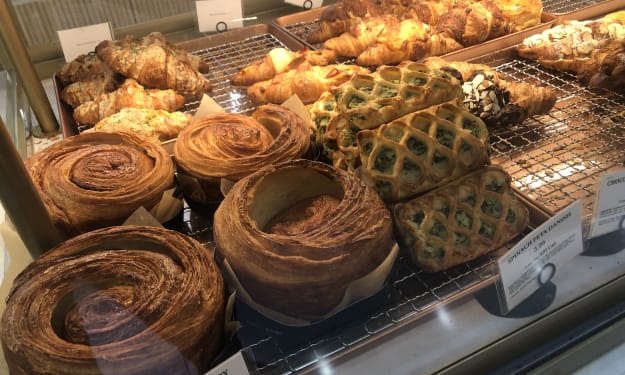
As someone who lives in a rural area, I don't get the chance to visit fancy restaurants or bakeries that often. So, when a friend told me about a French-Asian bakery that's less than an hour away, I knew I had to check it out and grab some pictures for social media. Tous les Jours ended up providing an immersive experience that went above and beyond my expectations--although I did leave with a few reservations.
By Kaitlin Shanks20 days ago in Feast
Vegan Food Market Trends & Summary (2025–2033)
Introduction The global shift toward healthier, more ethical, and environmentally responsible consumption has transformed vegan food from a niche lifestyle choice into a fast-growing mainstream market. According to Renub Research, the Vegan Food Market was valued at USD 20.06 billion in 2024 and is projected to reach USD 46.09 billion by 2033, expanding at a robust CAGR of 9.68% during 2025–2033. This impressive trajectory reflects not only changing consumer values but also rapid innovation across food technology, retail, and distribution.
By jaiklin Fanandisha day ago in Feast



Comments
There are no comments for this story
Be the first to respond and start the conversation.