
Gas Stoves vs Electric: Which Should You Use?
There's a lot of debate going on about gas and electric stoves, so we decided to dig in!

You've probably seen a lot of articles and debate recently about what we'll dub the "stove wars." And the heart of these debates, whether or not natural gas or electricity is a better fuel source for your home cooktop.
There a lot of different factors that are involved in this conversation. The health effects of burning natural gas indoors, the quality of cooking on gas vs electric, energy consumption, and more. We are going to dive into the main issues at hand, but first let's start with a brief history of natural gas stoves.
The Beginning of Gas Stoves
When did natural gas stoves first come into residential homes? Well, the first recorded gas stove was invented in 1802, although they didn't become patented and commercialized until 1826 by James Sharp in England.
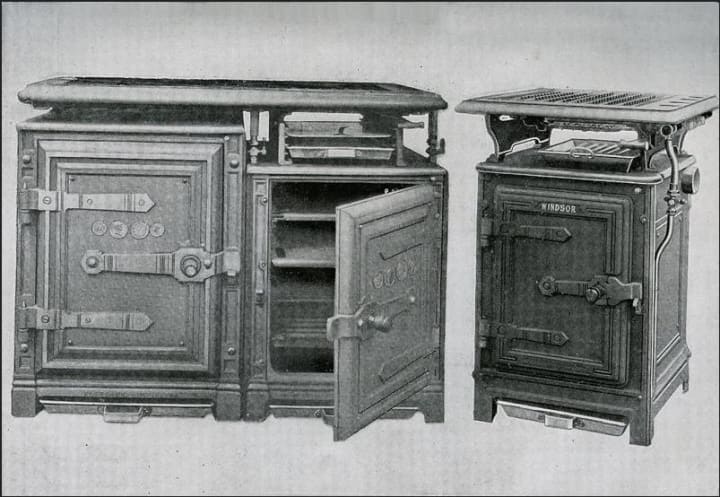
While these early gas stoves were used by chefs (much like today), they didn't become popular in residential homes until the late 19th century, once a reliable gas pipe network was established within the UK.
By the early 1900s, gas stoves were widespread in homes across Europe and the United States. At that point, natural gas was relatively cheap for households and it was quite efficient compared to the alternatives at the time, and both of these reasons allowed the gas stove become popularized.
However, just as gas stoves were hitting their peak in the early 1900s, there was a competitor that was about to burst onto the home cooking scene, the electric stove.
In the 1930s, electric stoves began gaining immense popularity. They were viewed as safer since they didn't have any open flames, and there was no danger of unused gas leaking into the rest of the house. They also heated up quicker and it was easier to control the temperature while cooking.
The Stove Wars Today
So, if electric stoves were safer and easier to control, why are gas stoves still popular here in the US?
Cooking Efficiency:
Although electric stoves were easier to cook with in the 1900s, modern gas stoves, in many opinions, have reclaimed that title in the home. A gas stove is more accurate and the heat change is quite instant, while an electric stove takes more time to either heat up or cool down. So it's no surprise that a lot of professional chefs prefer a gas stove; they are able to be quicker and more precise with the heat.
Gas stoves are also able to still work relatively well with pans and pots that may not have a flat even surface on the bottom anymore, something that would be quite difficult while working on an electric stove.
Softer on the Wallet:
While this can depend on specific market conditions for natural gas and electricity, natural gas stoves are often cheaper to operate than their electric counterparts, with some estimates saying that a gas stove costs about half as much to use than an electric stove.
Better for the Environment?:
This may seem counterintuitive, but depending on where you live, natural gas may actually be better for the environment that electricity. Much of the electricity that we use here in our homes in the US come from burning fossil fuels at a power plant, and usually this means burning coal. By burning natural gas directly at your home for the source of energy, you can cut out the power plant and be more energy efficient. Now of course, if your local electricity comes from cleaner sources or renewables, electricity may be the more earth friendly way to go!
So we've gone over a few of the advantages for using a natural gas stove, what are some of the drawbacks?
Gas Pipes On Your Property:
One of the dangers of using natural gas in your home (for any appliances, not just your stove) is having the gas pipes on your property and in your home. Gas pipes always have the chance (although hopefully very, very low) to leak or rupture, especially if you live somewhere prone to earthquakes or large storms. It is also a concern whenever you are doing any landscaping, as you need to be sure that you aren't hitting any of these pipes.
Danger to Indoor Air Quality:
While gas stoves are very, very efficient today, they do still have a small amount of the natural gas that is released that never gets burned off, and thus this goes into your indoor air. This is why it's very important to have a well-ventilated kitchen or to use your range's hood while cooking with gas to help this unburned gas dissipate. The actual burning of the gas as well is not the cleanest thing for your health, and can release some degree of air pollution into your home. However, many agree that this level of air pollution would really only be dangerous for those with severe asthma or other respiratory issues.

Of course, the choice between which type of stove you should use is really a personal decision. You should review your own situation, your family, and your cooking needs to figure out which type of cooktop is best for you! You may want to protect your family from any additional indoor air pollution and stick with gas, or if you don't have any at-risk family members and cooking is one of your great passions, a more accurate gas stove may be a better fit!
About the Creator
Keep reading
More stories from Matthew Lundgren and writers in Feast and other communities.
7 Most Delicious Coffee Drinks to Make at Home
Let's face it, America has a love affair with coffee. You can watch TV shows and movies going back 70+ years, and you'll see one thing in almost all of these movies and shows. At some point, somewhere, one of the characters is drinking coffee. It has become ubiquitous in American culture and daily life, seen as the rocket fuel for hard work and achieving the "American Dream."
By Matthew Lundgren4 years ago in Feast
Astragalus: An Ornamental, Supportive, and Culinary Herb
Astragalus Root/Milkvetch Astragalus is a popular remedy for various ailments today. Commonly found in health food stores and herbal shops in the form of tinctures, grounded encapsulated powders, or as part of an herbal infusion, or sometimes added to teas, astragalus usually makes the list for its purported immune-system and energy-supporting benefits.
By J. Chauncey4 days ago in Feast
Freeze-Dried Powder Microgreens: The Complete Guide to Nutrient-Dense Greens
Getting enough fresh vegetables into your daily routine can be harder than it sounds. Busy schedules, travel, and reliance on convenience foods often mean leafy greens get overlooked. Freeze-dried microgreens powder offers a practical way to bridge that gap. Produced from young vegetable greens harvested at peak nutritional value, these powders provide a concentrated source of vitamins, minerals and antioxidants in a format that is simple to store and use.
By Emily Jones7 days ago in Feast
Trickle Them Down, But Not Out
The thing about smart people is that they should know better, but alas, intelligence is not the same as wisdom. Not only do the mistakes of experts too short on vision—when they are not corrected—have the potential to do great and far-reaching damage, but they also undermine public confidence in the very notion of expertise. This is particularly so when expertise is wielded in defence of the rich and powerful as a cudgel against those laid low. As an academic, this lack of faith in “so-called experts” is painful to see as it plays out in the spread of dis-/misinformation, conspiracy theories, and anti-intellectualism writ large. But it is also an understandable impulse given the catastrophic failure of an economic ideology pushed by certain economic experts. Supply-side economics has shaped a broken system for the last half-century and has arguably done more to undermine the fabric of the American Dream than any policy framework of the past century.
By Cory Wright-Maley7 days ago in Humans


Comments
There are no comments for this story
Be the first to respond and start the conversation.