
"Fortify at the Start, Flourish Through the Heat": Don’t Forget These 4 Yang-Supporting Dishes When the Dog Days Begin on July 20th
"Fortify at the Start, Flourish Through the Heat": Don’t Forget These 4 Yang-Supporting Dishes When the Dog Days Begin on July 20th
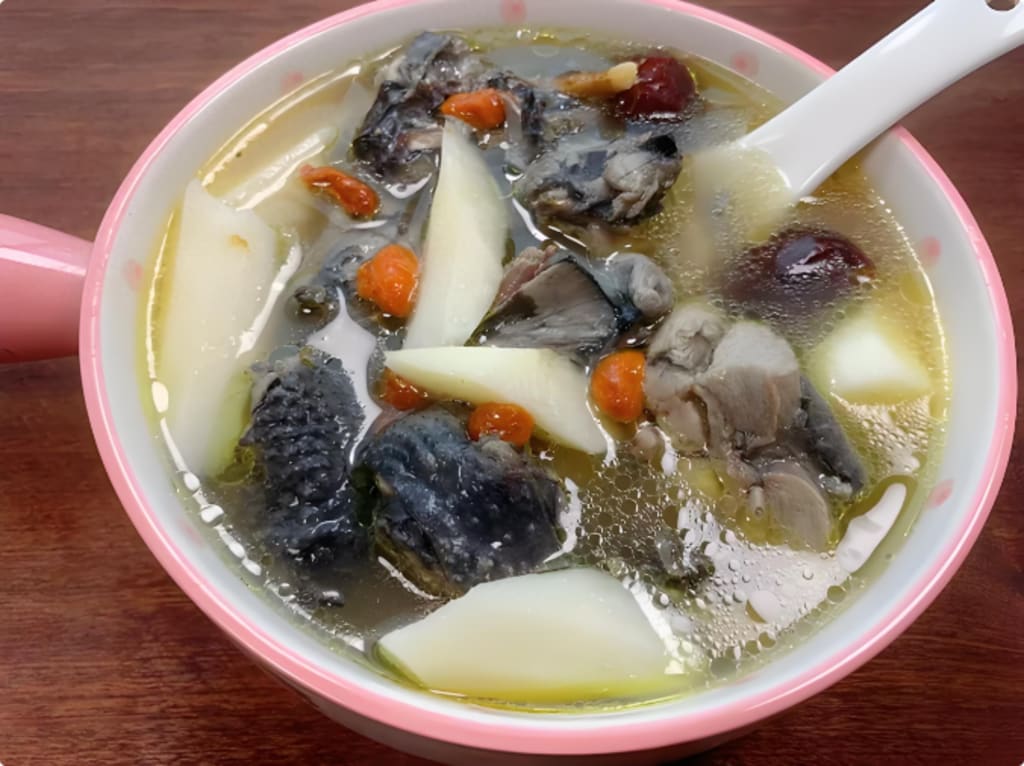
July 20th marks the start of "Fu Tian" (Dog Days), the hottest, most humid period of the year. As the old wisdom goes, "The coldest days are in the third nine-day period after the winter solstice, the hottest in the three Fu periods." Our ancestors passed down this essential health advice: "Fortify at the start of Fu, and you won’t suffer through the Dog Days." This "fortification" isn’t about indulging in rich, heavy foods. Instead, it focuses on "Fu Yang" (supporting vital energy)—taking advantage of the season’s peak Yang energy to eat foods that are warming but not overly drying. These foods help stabilize the body’s foundational Qi, making the long, damp, and sweltering days ahead far more manageable. Today, we recommend four delicious, seasonally appropriate "Yang-supporting dishes" that even kitchen novices can master!
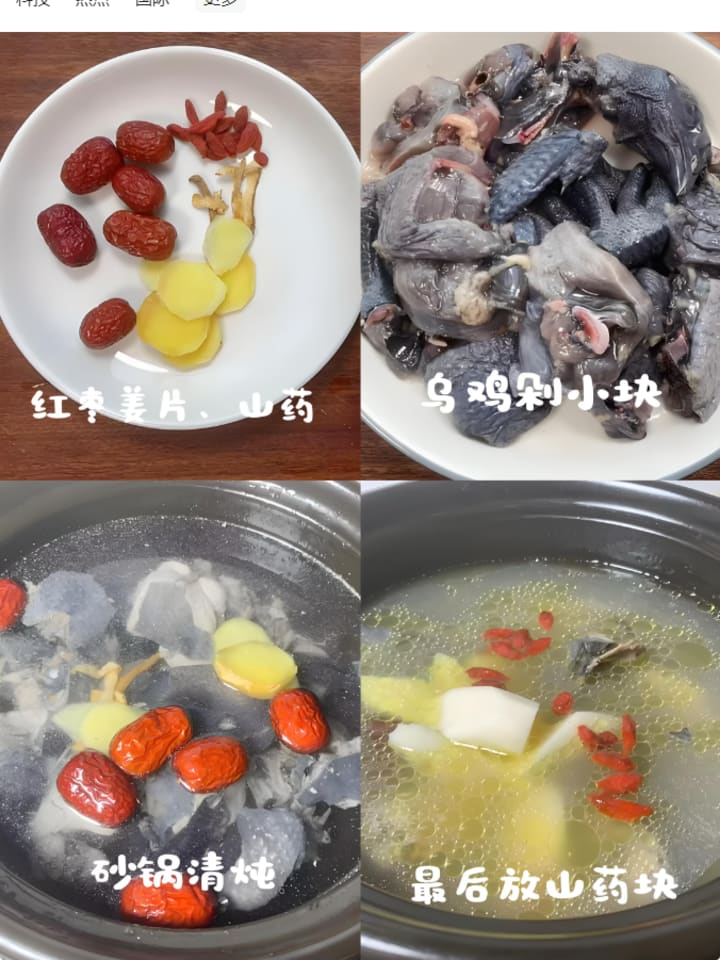
I. Silkie Chicken Soup with Chinese Yam & Red Dates: The Steady "Foundation Builder"
Ingredients:
• ½ silkie chicken
• 1 iron-stick Chinese yam (approx. 200g)
• 8–10 dried red dates
• 1 tbsp goji berries
• 3–4 slices ginger
• Salt to taste
• 1 tbsp cooking wine (for blanching)
Instructions:
1. Clean the chicken and chop into pieces. Place in a pot with cold water, add ginger slices and cooking wine. Bring to a boil over high heat and blanch for 2 minutes. Remove, rinse off impurities, and drain (this crucial step removes gaminess!).
2. Transfer chicken to a clay pot. Add enough hot water to cover, along with ginger slices and red dates. Bring to a boil, then reduce to the lowest heat. Cover and simmer gently for 1 hour.
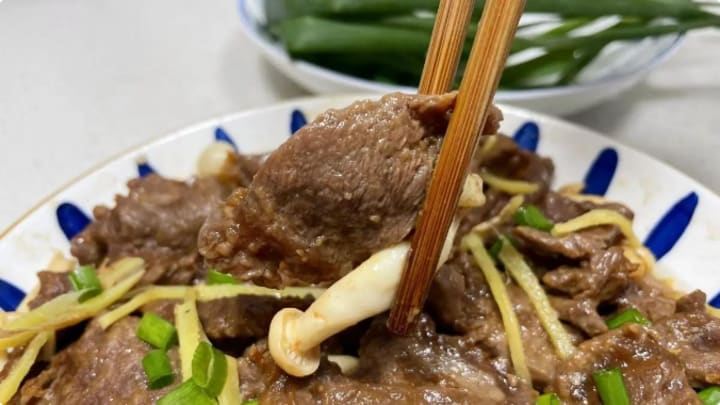
3. Peel the Chinese yam (wear gloves to prevent skin irritation) and cut into chunks. Rinse goji berries. After 1 hour, add yam to the pot. Continue simmering for 30 minutes.
4. Add goji berries in the last 10 minutes. Season lightly with salt before turning off the heat.
This soup is the quintessential "foundation builder" for the first Fu period! Silkie chicken nourishes Yin and replenishes deficiency, Chinese yam strengthens the spleen and kidneys, while red dates and goji berries enrich the blood and calm the spirit. Slow-simmered, the broth is clear, rich, and naturally sweet. One sip warms you from the stomach outward, perfect for those feeling fatigued or depleted after the summer’s onset. A bowl of this truly restores your vitality!
II. Steamed Beef with King Oyster Mushrooms & Ginger: The Savory "Energy Booster"
Ingredients:
• 200g beef tenderloin or flank (thinly sliced)
• 150g king oyster mushrooms
• 1 thumb-sized piece ginger (julienned)
• 3–4 cloves garlic (minced)
• 1 spring onion (finely chopped)
• Marinade: 1 tbsp light soy sauce, ½ tbsp oyster sauce, ½ tbsp cooking wine, 1 tsp cornstarch, ¼ tsp salt, 1 tbsp water, 1 tsp vegetable oil
Instructions:
1. Slice beef against the grain. Combine marinade ingredients except oil. Add beef, mix well until coated, then add oil to seal in moisture. Marinate 15 mins.
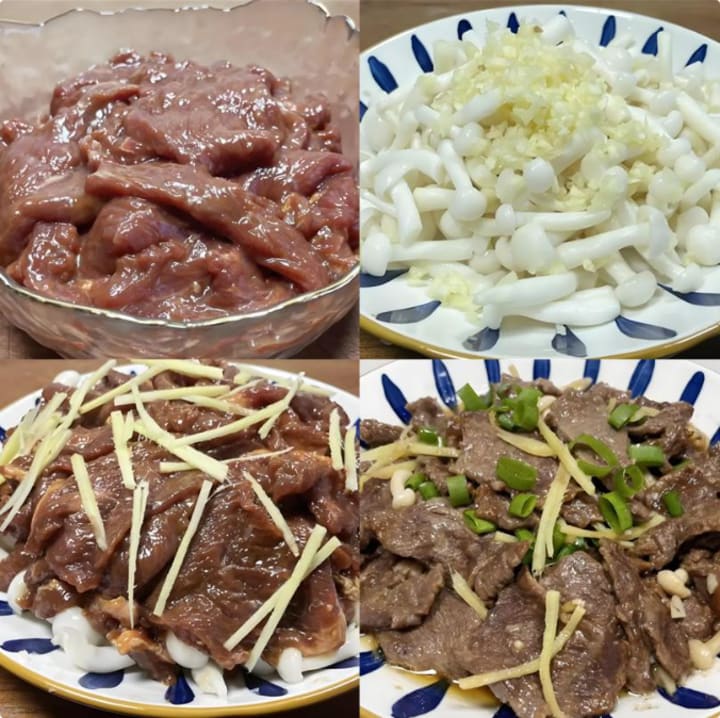
2. Clean mushrooms, trim ends, and tear lengthwise. Prepare ginger, garlic, and spring onion.
3. Arrange mushrooms on a heatproof plate. Scatter half the ginger over them. Layer marinated beef slices on top.
4. Sprinkle minced garlic and remaining ginger over beef. Bring water in a steamer to a boil. Place plate inside, cover, and steam over high heat for 8–10 mins (adjust based on beef thickness).
5. Remove, garnish with spring onions. For extra fragrance, drizzle 1 tsp hot oil over the dish.
This dish perfectly embodies "Fu Yang"! Beef warmly nourishes Qi and blood, providing high-quality protein. Ginger dispels cold and warms the stomach, garlic adds aroma and acts as an antimicrobial, while king oyster mushrooms lend umami freshness. Steaming preserves nutrients and the beef’s tenderness without greasiness. For those watching their weight but needing stamina in summer, this is your "energy station"—savory, satisfying, and strength-giving!
III. Stir-Fried Eggs with Fresh Lily Bulbs: The Refreshing "Uplifter"
Ingredients:
• 2–3 fresh lily bulbs (petals separated, ~150g)
• 3 large eggs
• 1–2 red chili peppers (adjust to taste)
• 2 cloves garlic (sliced)
• Salt to taste
• Vegetable oil
Instructions:
1. Separate lily petals, rinse, and drain (remove any discolored outer petals). Slice chili peppers and garlic.
2. Beat eggs with a pinch of salt.
3. Heat 1 tbsp oil in a wok over medium-high. Pour in eggs, scramble until just set but still soft. Remove and set aside.
4. Add ½ tbsp oil to wok. Stir-fry garlic and chili peppers for 30 seconds until fragrant.
5. Add lily petals. Stir-fry vigorously for 1.5–2 minutes until edges turn slightly translucent.
6. Return eggs to wok. Add salt to taste. Toss everything together quickly (30 sec) and serve immediately.
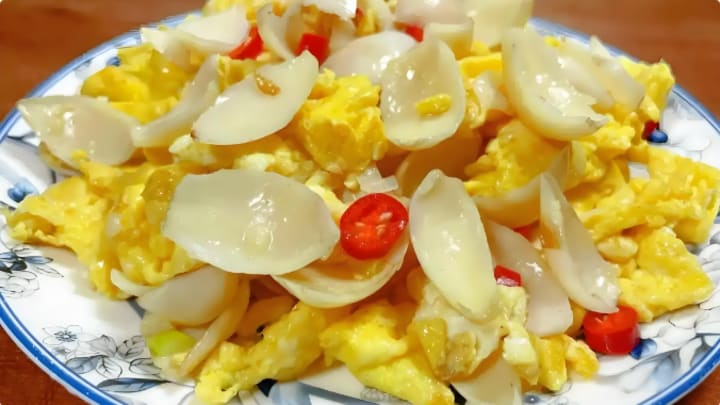
Who says supporting Yang requires heavy stews? This stir-fry is light yet potent! Fresh lily bulbs moisten the lungs and calm the mind, easing summer irritability. Eggs gently nourish Qi and blood. The chili’s subtle heat is key—it gently activates Yang energy, stimulates appetite, and balances the lily’s slight coolness. Visually appealing with its yellow and white hues, this dish offers crisp-tender texture with a gentle kick—perfect for reviving summer appetites! Ideal for days when you feel restless or struggle with sleep.
IV. Cucumber Stir-Fry with Perilla Leaves: The Debloating "Refresher"
Ingredients:
• 2 medium cucumbers (~400g, sliced or smashed)
• 1 cup fresh perilla leaves (roughly chopped)
• 3 cloves garlic (minced)
• 1 red chili pepper (sliced)
• ¼ tsp salt
• ½ tsp light soy sauce
• Vegetable oil
Instructions:
1. Wash cucumbers. Leave skin on if young, otherwise peel. Slice thinly or smash and cut into chunks. Chop perilla leaves. Mince garlic, slice chili.
2. Heat 1 tbsp oil in a wok over high heat. Stir-fry garlic and chili for 20 seconds.
3. Add cucumbers. Stir-fry briskly for 1–2 minutes until slightly softened but still crisp.
4. Add perilla leaves. Toss continuously for 30 seconds until fragrant and wilted.
5. Drizzle soy sauce around the edge of the wok (for aroma, don’t overdo). Add salt. Toss to combine and serve immediately—speed ensures crispness and preserves the perilla’s aroma.
Perilla (紫苏, zǐsū) is a treasure against summer dampness! It releases surface pathogens, dispels cold, regulates Qi, and resolves stagnation—especially effective for damp-heat symptoms like poor appetite and bloating. Cucumbers clear heat and promote urination. Garlic and chili add aromatic warmth. The result is an incredibly refreshing, appetite-whetting dish with perilla’s distinctive fragrance. Enjoy it after a heavy meal for instant relief—it’s the essential "cleanser" for your Dog Days table!
Why These Dishes Work in Fu Tian (The Science Behind "Fu Yang")
During the hottest, most humid period of the year, the body’s Yang energy naturally expands outward, leaving the core potentially vulnerable. Traditional Chinese Medicine (TCM) emphasizes using warm-natured foods to support internal Yang without causing overheating. The ingredients chosen here align perfectly:
• Warming, Not Burning: Ginger, garlic, beef, and red dates provide gentle warmth. Their thermal nature is "warm" (温) rather than "hot" (热), preventing inflammation.
• Dampness Resolution: Perilla leaves, cucumber, Chinese yam, and mushrooms actively combat summer dampness, aiding digestion and reducing bloating.
• Qi & Blood Nourishment: Silkie chicken, eggs, beef, and goji berries replenish vital resources depleted by heat and sweating.
• Balancing Coolness: Ingredients like lily bulbs and cucumber offer mild cooling, counterbalanced by chili or ginger—creating equilibrium.
Modern nutrition supports this: ginger contains gingerols (anti-inflammatory), perilla is rich in rosmarinic acid (antihistamine), and goji berries offer antioxidants. Slow-cooked soups hydrate and provide electrolytes lost through perspiration.
Adapting to Your Needs
For Vegetarians:
• Replace chicken soup with a hearty mushroom broth (shiitake, porcini).
• Substitute beef in the steamed dish with firm tofu or tempeh (marinate similarly).
For Reduced Heat:
• Omit chili peppers entirely; use bell peppers for color instead.
• Increase cooling elements: add tofu or mung bean sprouts to stir-fries.
Time-Saving Tips:
• Use a pressure cooker for the soup (reduce steps 2 & 3 to 25 mins total).
• Pre-marinate beef overnight.
• Buy pre-washed lily bulbs and perilla.
Maximizing Benefits
1. Best Consumption Time: Have soups and warm dishes like the chicken soup or steamed beef for lunch—when digestive fire (Yang) is strongest.
2. Hydration Companion: Pair these meals with light herbal teas like chrysanthemum or barley water to enhance dampness clearance.
3. Avoid Icy Drinks: Counterintuitive as it seems, cold beverages stifle digestive Yang. Opt for room-temperature or warm drinks.
By embracing these culinary traditions, you’re not just eating—you’re strategically fortifying your body. As the ancients observed, investing in your foundation during the first Fu period pays dividends throughout the sweltering weeks ahead. Keep cool, nourished, and resilient!
About the Creator
My Tous les Jours Trip
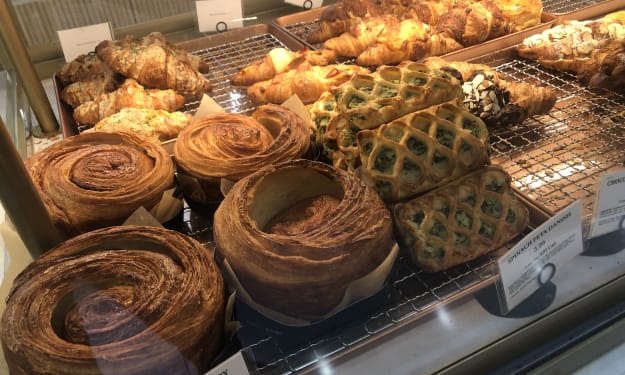
As someone who lives in a rural area, I don't get the chance to visit fancy restaurants or bakeries that often. So, when a friend told me about a French-Asian bakery that's less than an hour away, I knew I had to check it out and grab some pictures for social media. Tous les Jours ended up providing an immersive experience that went above and beyond my expectations--although I did leave with a few reservations.
By Kaitlin Shanks24 days ago in Feast
Fish Farming Market Size and Forecast 2025–2033
Introduction: A Market Anchored in the Future of Food The global food system is undergoing a profound transformation, and fish farming—also known as aquaculture—is emerging as one of its most critical pillars. With wild fish stocks under pressure from overfishing, climate change, and habitat degradation, the world is increasingly turning to controlled, farm-based fish production to meet its growing appetite for seafood.
By Marthan Sir6 days ago in Feast
Wild Card Weekend Recap: What Happens Now?
I think I figured out why I love Wild Card Weekend so much. It's because it's the first playoff anything of the calendar year. The NFL season starts in the fall, and once upon a time, the champion was crowned either on or slightly before New Year's. The evolution of the NFL schedule has resulted in the playoffs starting just into the New Year, and currently, the final week of the season falls on the first weekend of the New Year, with Wild Card Weekend coming a week after that. So yes, chronologically, the NFL's Wild Card Weekend serves as the first playoff anything of the calendar year.
By Clyde E. Dawkins6 days ago in Unbalanced


Comments (1)
I like the idea of "Fu Yang" foods. Gonna try that silkie chicken soup recipe.