
For twenty years I’ve cooked luffa, yet this recipe astonishes me most! No stir-frying, no deep-frying—one taste creates an eternal craving.
For twenty years I’ve cooked luffa, yet this recipe astonishes me most! No stir-frying, no deep-frying—one taste creates an eternal craving.
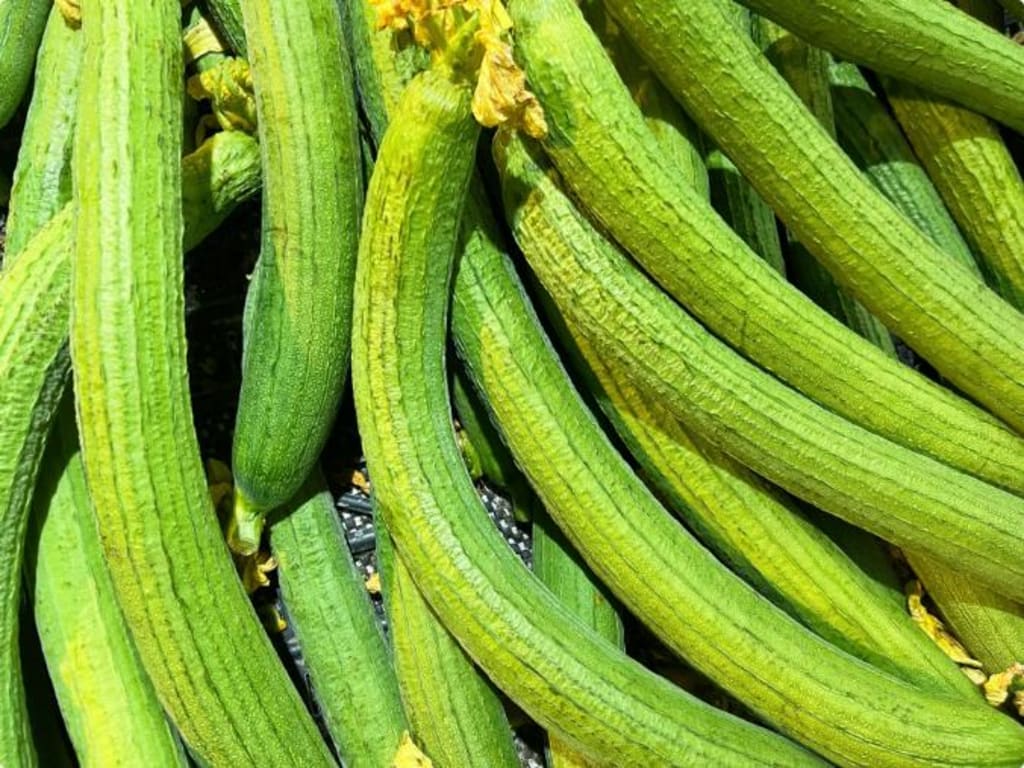
At the market, luffa gourds now reach their peak of succulence. Slender jade-green forms crowned with dewy yellow blossoms, their skins so tender a gentle pinch releases beads of moisture—this refreshing sweetness is nature’s antidote to bitter summer heat! Yet after two decades of cooking luffa, I’d faced constant dilemmas: quick stir-fries turned them murky; braising made them cloying; while soups, though fragrant, lacked textural joy. That changed when Auntie Zhang from downstairs handed me a plate of golden, aromatic "little cakes." Well, imagine my astonishment—luffa could undergo such a glorious metamorphosis!
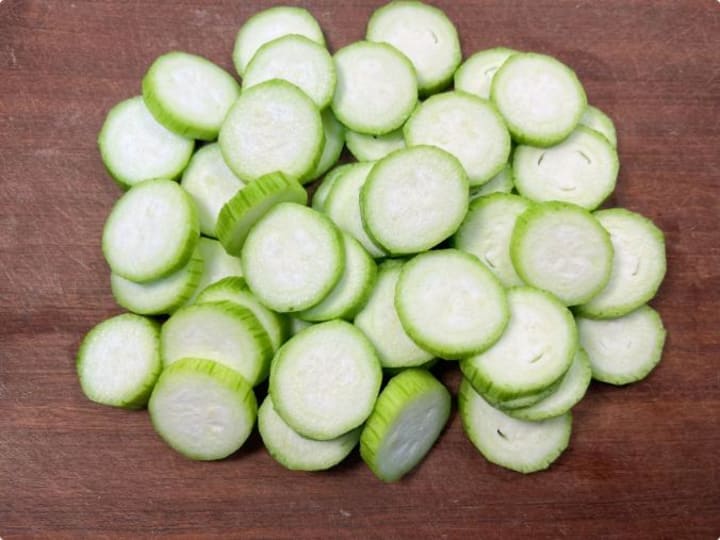
The method seems simple, hinging entirely on "pan-searing," yet it avoids the greasy heaviness of conventional frying. The kitchen stays spotless, while the flavors transform miraculously—all thanks to two whisper-thin layers of "gilded cloak."
Step One: The Pearlescent Armor
Select two firm, vibrant luffa gourds. Peel away the tough skin to reveal their jade-green flesh. Slice into half-inch thick rounds—any thinner risks mushiness; thicker slices hinder flavor penetration. Here’s the crucial step: Before battering, lightly dredge each slice in fine white flour spread on a flat plate. As Auntie Zhang revealed, this "pearl powder" acts as a barrier, sealing in the luffa’s natural juices while ensuring the batter adheres perfectly—no slipping away!
Step Two: The Golden Embrace
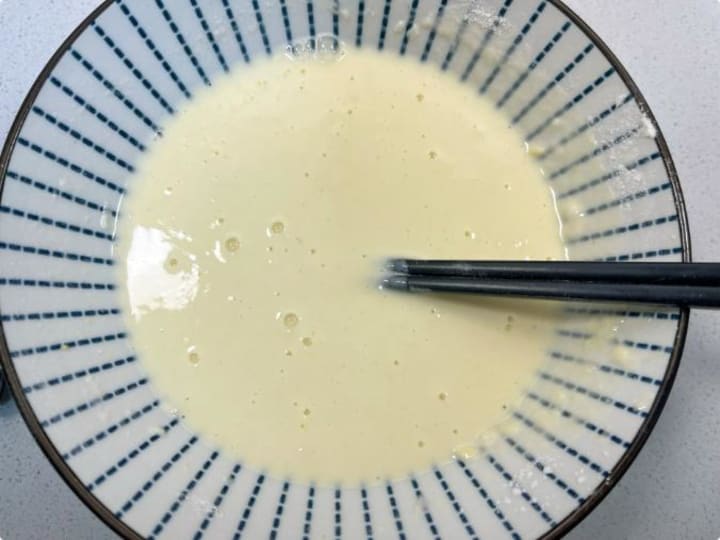
Crack two fresh eggs into a bowl, whisking until luminous. Gradually sift in flour, stirring continuously until achieving a thick, yogurt-like batter—smooth as melting snow. Season with a pinch of salt, a whisper of white pepper, and for depth, a scattering of finely chopped scallions. Now, gently immerse each flour-dusted luffa slice into this velvety mixture. Lift them out, allowing excess batter to cascade like liquid silk—coating each piece in a flawless, gilded armor.
Step Three: Pan-Seared Moons
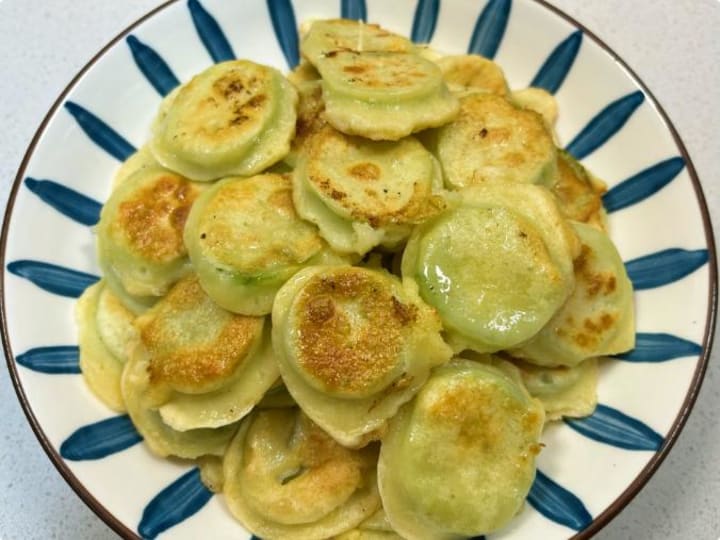
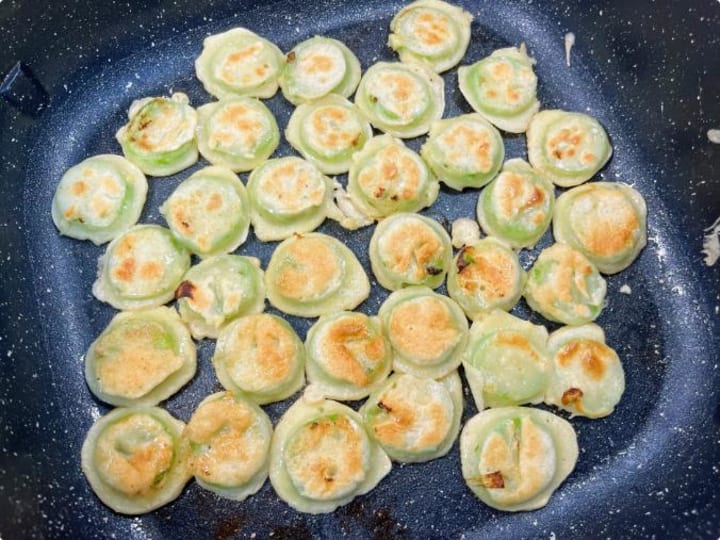
Heat a non-stick skillet over medium-low heat. Brush with the merest film of oil—too much would betray the dish’s essence. Carefully place battered luffa slices onto the warm surface. A soft sizzle arises as delicate golden lace forms at the edges. Patiently wait two minutes until the underside turns a luscious caramel hue. Flip gracefully with chopsticks, searing the other side to a crisp, sunlit gold. Behold: each piece emerges like a miniature harvest moon—edges crackling, while within lies a hidden reservoir of emerald-green summer freshness.
Too eager to wait, blow twice on a freshly seared slice and take a bite—a resounding crunch heralds the batter’s delicate crispness. Beneath the ethereal crust of flour and egg lies the luffa’s soul: cool, sweet, and profoundly refreshing. The hint of oil remains a subtle, respectful whisper.
For the adventurous, prepare a dipping sauce: crushed garlic blended with soy sauce, a splash of fragrant vinegar, and a confetti of cilantro. Drag a hot luffa coin through this elixir—the garlic’s fire meets the gourd’s serenity; vinegar’s tang unlocks hidden sweetness. One bite, and your palate feels cleansed by a summer downpour—utterly revitalized!
Two decades of cooking luffa led to this revelation: true artistry never masks an ingredient’s spirit with heavy sauces. Treat this seasonal gift like the delicate jewel it is. Enrobe it in the lightest golden cloak, coax its sweetness with gentle heat, and it rewards you with pure, radiant flavor. That explosive moment when crisp shell yields to molten essence—this is when summer’s memory becomes forever entwined with these golden, celestial moons.
The Philosophy of Summer Ingredients
Luffa embodies the essence of warm-weather cooking: ingredients demanding minimal interference to reveal their inherent brilliance. Across cultures, summer’s bounty—ripe tomatoes, sweet corn, tender zucchini—shines brightest when handled with restraint. This recipe honors that principle, transforming a humble gourd through technique rather than force.
Texture Alchemy
The magic lies in juxtaposition: the shattering crispness of the batter against the luffa’s custard-like interior. This interplay exemplifies culinary contrast—a universal delight. Think Japanese tempura’s ethereal crunch enveloping sweet shrimp, or Italian fritto misto celebrating seasonal vegetables. Here, science aids art: the initial flour dredge creates a barrier, ensuring the luffa steams gently within its golden casing rather than stewing.
Cultural Threads
Auntie Zhang’s wisdom reflects generations of home cooks maximizing seasonal abundance. In many Asian traditions, summer dishes prioritize hydration and lightness—luffa soups in China, oyako don in Japan, som tam in Thailand. This pan-seared version offers a textural celebration while honoring the ingredient’s cooling nature.
Beyond the Plate
Selecting perfect luffa requires knowledge: seek unblemished skins, vibrant color, and firmness yielding slightly to pressure. Store them wrapped in paper towels inside the refrigerator’s crisper. For peak flavor, cook within two days. Leftovers? Surprisingly delightful cold, their crisp-soft contrast persisting, paired perhaps with a herb-laced yogurt dip.
The Quiet Revolution
This recipe challenges assumptions. Often overlooked or relegated to stir-fries, luffa here becomes the star. It whispers a broader truth: sometimes the most extraordinary dishes emerge not from complexity, but from seeing familiar ingredients through a lens of patience and respect. The "gilded cloak" isn’t just batter—it’s the transformative power of thoughtful cooking.
About the Creator
My Tous les Jours Trip
As someone who lives in a rural area, I don't get the chance to visit fancy restaurants or bakeries that often. So, when a friend told me about a French-Asian bakery that's less than an hour away, I knew I had to check it out and grab some pictures for social media. Tous les Jours ended up providing an immersive experience that went above and beyond my expectations--although I did leave with a few reservations.
By Kaitlin Shanks24 days ago in Feast
Miss Persephone's Manual to a Seemingly Ordinary Life
Miss Persephone was found at the dining table, her blue eyes swollen, her tears arriving and retreating like the tides of the ocean. Earlier that day, her family had visited her in the retirement home where she had lived for eight years. It was her eightieth birthday.
By Imola Tóth5 days ago in Fiction


Comments (1)
I've had similar issues cooking luffa. This pan-searing method sounds great. Can't wait to try it! The flour dredging and batter steps seem key. I'll bet it keeps the luffa tender and adds great flavor.