
Food as Connection: Navigating in a Changing World
A Market Owner's Perspective on Educating Consumers About Food and Culture


When I first opened my international food market, I quickly realized it was about more than selling groceries. Food is deeply personal—it connects people to their roots, memories, and health. But I’ve also learned that navigating what we eat is becoming increasingly complex. How do we make informed choices when some foods are labeled as harmful and others, equally processed, are praised for their nutritional value?
Take processed foods, for instance. Not long ago, everything in that category was vilified, lumped together as unhealthy. Then studies, like the one published in The Lancet, started showing a more nuanced picture. Yes, sugary drinks and heavily processed meats can increase the risk of chronic diseases, but items like whole-grain bread and cereals, rich in fiber, can actually reduce those risks. This was a revelation for many, but it also underscored a deeper issue: the importance of education and access to accurate information about what we eat.
In my market, customers often ask about the origins or health benefits of the products we carry. They’ll hold up a bag of lentils or a jar of spices, curious about how to use them or why they’re beneficial. I love those moments because they spark conversations. It’s one thing to offer fresh, high-quality ingredients, but it’s another to ensure people understand how to incorporate them into their lives.
Food trends are shifting rapidly. The global snack market, for instance, is expected to surpass $680 billion in retail sales in 2024, growing by over 5% from the previous year. But here’s the catch: in high-income countries, 50-60% of daily caloric intake comes from ultra-processed foods. That’s a staggering statistic. It tells me that while people love convenience, there’s a growing need to balance indulgence with nutrition.
International markets like mine have a unique role to play here. We offer an array of products that go beyond convenience—ingredients that are minimally processed, naturally nutrient-rich, and culturally significant. Lentils, for example, are not just affordable; they’re high in protein and fiber. Spices like turmeric aren’t just flavorful; they come with health benefits rooted in centuries of traditional use. These foods tell stories while nourishing the body.
What I’ve come to realize is that education is everything. Many people aren’t aware of the difference between harmful processed foods and those that are staples of balanced diets. For example, plant-based snacks, clean-label items, and whole grains are gaining traction, but how do consumers know what to prioritize when labels can be so confusing? As an industry, we have a responsibility to be transparent and to advocate for informed choices.
Of course, accessibility remains a major hurdle. Fresh, minimally processed ingredients are often out of reach for many communities—either they’re too expensive or simply unavailable. This is where local and state policies can make a difference. Grants, low-interest loans, and other support for small markets can go a long way. These initiatives don’t just benefit business owners; they ensure communities have access to healthier options.
For me, this isn’t just a business goal—it’s a personal mission. I’ve seen how food can transform lives. A mother who finds the spices she grew up with teaches her children recipes that connect them to their heritage. A young professional learns how to cook with fresh, simple ingredients instead of relying on ready-made meals. These moments matter, and they show that food is more than sustenance; it’s culture, history, and health combined.
Looking ahead, I’m optimistic about the changes we can make. As bans on artificial colorants and preservatives gain traction globally, consumers are becoming more aware of what’s in their food. Markets like mine are in a prime position to respond by sourcing natural, sustainable products that meet these evolving demands.
At the end of the day, it’s about balance. Avoiding all processed foods isn’t realistic, but understanding which ones to limit and which ones to embrace can make a world of difference. It’s about creating an environment where people feel empowered to make choices that align with their health and their heritage.
Food is a universal language, and it has the power to bring people together. By focusing on education, accessibility, and transparency, we can ensure that this language continues to speak to everyone. Because everyone deserves the chance to eat well, live well, and stay connected to the flavors that define their lives.
About the Creator
Javid Javdani
Javid Javdani is a San Diego-based pharmacist and entrepreneur, owning a vibrant international market. He's dedicated to enriching his community through diverse, authentic global cuisine. https://infinitesights.com/javid-javdani/
Keep reading
More stories from Javid Javdani and writers in Feast and other communities.
Securing the capital to grow and sustain a business
When I first started my business, I felt that familiar mix of excitement and nerves, an eagerness to make things happen. But from day one, I quickly learned that my biggest hurdle wasn’t in the day-to-day operations or even in finding customers—it was in securing the capital to grow and sustain the business. Getting funding felt like a constant challenge, a bit like a puzzle that kept changing its pieces, and I was often left wondering how others did it. Why did it seem so difficult to access the capital that would help me get my ideas off the ground?
By Javid Javdaniabout a year ago in Journal
Flavorful Feast
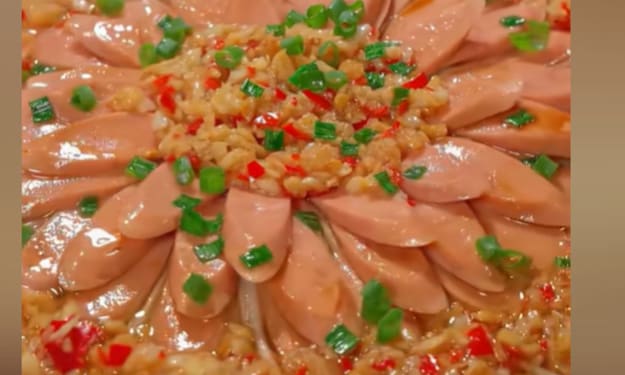
The Chinese New Year's Eve dinner, or Nian Ye Fan, is more than just a meal—it’s a cherished tradition filled with symbolic dishes that represent wishes for prosperity, health, and good fortune in the coming year. These ten classic homestyle recipes are perfect for creating that special festive spread at home. They balance flavor, meaning, and tradition, ensuring your family table is both abundant and auspicious. Let's get cooking!
By yue . shuia day ago in Feast



Comments
There are no comments for this story
Be the first to respond and start the conversation.