
Flavored Yogurt Market Size and Forecast 2025–2033: Innovation, Health Awareness, and Premiumization Drive Global Growth
Rising demand for convenient nutrition, probiotic-rich foods, and premium flavors is transforming the global yogurt landscape


Flavored Yogurt Market Outlook (2025–2033)
The global flavored yogurt market is on a strong growth trajectory, reflecting the rapid shift in consumer food preferences toward healthier, convenient, and value-added dairy products. According to Renub Research, the flavored yogurt market is expected to grow from US$ 48.73 billion in 2024 to US$ 97.33 billion by 2033, registering a robust CAGR of 7.99% during the forecast period 2025–2033.
This expansion is being fueled by a combination of rising health awareness, growing demand for probiotic-rich foods, innovation in flavors and formats, expanding retail channels, and increasing disposable incomes, particularly in emerging economies. Once considered a simple breakfast staple, flavored yogurt has evolved into a mainstream snack, dessert alternative, and functional food, appealing to consumers across all age groups.
As manufacturers continue to invest in product innovation, premiumization, and clean-label formulations, flavored yogurt is becoming a critical segment within the global dairy industry.
Flavored Yogurt Industry Overview
Flavored yogurt is produced by fermenting milk with live bacterial cultures and adding natural or artificial flavors, sweeteners, and fruit inclusions to enhance taste and texture. Popular flavors include strawberry, vanilla, blueberry, mango, peach, and a growing range of exotic and dessert-inspired varieties. Along with its appealing taste, flavored yogurt provides calcium, protein, vitamins, and probiotics, making it a preferred choice for health-conscious consumers.
The product’s creamy texture, nutritional value, and versatility have positioned it as a breakfast food, midday snack, post-workout option, and even a dessert replacement. With urban lifestyles becoming increasingly fast-paced, consumers are gravitating toward ready-to-eat, portion-controlled foods, which further strengthens demand.
In recent years, the market has expanded beyond conventional dairy, with organic, low-fat, lactose-free, and plant-based flavored yogurts gaining popularity. This diversification is allowing brands to cater to a broader consumer base, including vegans, fitness enthusiasts, and individuals with dietary restrictions.
Key Growth Drivers of the Flavored Yogurt Market
1. Rising Demand for Convenient and Ready-to-Eat Snacks
Modern consumers are increasingly seeking quick, nutritious, and portable food options that fit busy lifestyles. Flavored yogurt meets this need perfectly, offering a no-prep, on-the-go snack that delivers both taste and nutrition. Single-serve cups, drinkable yogurts, and resealable packaging have further enhanced convenience.
This trend is particularly strong among working professionals, students, and urban households, who prefer healthier snacking options over traditional processed foods. As awareness of digestive health and balanced nutrition grows, flavored yogurt continues to gain preference over sugary snacks and carbonated beverages.
2. Innovation in Flavors, Formulations, and Product Varieties
Innovation remains a central growth engine for the flavored yogurt market. Manufacturers are launching new flavors, textures, and functional variants to attract consumers seeking novelty and personalization. Exotic fruits, dessert-inspired profiles, high-protein formulations, and probiotic-enhanced options are gaining traction.
In December 2023, Chobani LLC introduced dessert-flavored Greek yogurt in the U.S. market, targeting consumers looking for indulgent yet healthy alternatives. Such product launches demonstrate how innovation is helping brands differentiate themselves in a highly competitive landscape.
The growing availability of plant-based flavored yogurts made from almond, soy, coconut, and oat milk is also expanding the market, particularly among younger and environmentally conscious consumers.
3. Marketing Focus on Natural Ingredients and Wellness Benefits
Today’s consumers carefully read labels and prefer products made with natural ingredients and minimal additives. In response, brands are highlighting clean-label formulations, reduced sugar content, and functional benefits in their marketing campaigns.
Flavored yogurt is increasingly promoted as a source of gut health support, immunity enhancement, and muscle recovery, thanks to its probiotics and protein content. Influencer marketing, nutritionist endorsements, and wellness-driven campaigns on social media are playing a major role in shaping consumer perception and driving repeat purchases.
Challenges in the Flavored Yogurt Market
High Sugar Content Concerns
One of the key challenges facing the industry is the high sugar content in many flavored yogurt products. As consumers become more health-conscious, excessive sugar levels are increasingly viewed as a drawback. Regulatory scrutiny over sugar labeling and nutritional claims is also rising, especially in developed markets.
To address this, manufacturers are reformulating products with natural sweeteners, reduced sugar, or no added sugar options, but achieving the right balance between taste and health remains a challenge.
Variability in Consumer Preferences
Taste preferences vary significantly across regions, cultures, and demographics, making it difficult for manufacturers to create universally appealing products. While some markets favor sweet, fruit-forward flavors, others prefer mild or tangy profiles. Additionally, the growing demand for organic, vegan, and functional yogurts adds complexity to product portfolios.
Failure to adapt to local preferences can lead to poor product acceptance, making market-specific innovation and localization strategies essential for success.
Regional Market Insights
United States Flavored Yogurt Market
The U.S. flavored yogurt market is expanding steadily, supported by strong brand presence, high consumer awareness, and continuous product innovation. Demand for high-protein and functional yogurts is particularly strong.
In April 2024, Danone North America launched its REMIX line featuring yogurt and dairy snacks with mix-ins, under brands such as Light + Fit, Oikos, and Too Good & Co. This launch reflects the growing demand for all-day snacking solutions and premium dairy products.
Germany Flavored Yogurt Market
Germany’s market growth is driven by strong consumer demand for organic and clean-label products. The rising popularity of plant-based diets has also boosted demand for non-dairy flavored yogurts. German consumers prefer transparent labeling and high-quality ingredients, pushing companies to innovate and maintain premium standards.
India Flavored Yogurt Market
India represents one of the fastest-growing markets for flavored yogurt due to changing dietary habits, rising urbanization, and increasing health awareness. Flavors such as mango, strawberry, and vanilla dominate sales, while modern retail and online platforms are improving accessibility.
Local and multinational brands are investing heavily in distribution networks, affordable pricing, and region-specific flavors, making flavored yogurt a mainstream dairy product in Indian households.
Saudi Arabia Flavored Yogurt Market
In Saudi Arabia, rising disposable incomes, urbanization, and lifestyle changes are fueling demand for flavored yogurt. Consumers increasingly prefer low-fat, probiotic-rich, and premium yogurt products as alternatives to traditional desserts. Expanding retail infrastructure and online grocery platforms are further supporting market growth.
Recent Developments in the Flavored Yogurt Market
September 2023: KANEKA launched “PUR NATUR” organic yogurt in single-serve packaging, available in plain and blueberry flavors.
August 2023: VERKA introduced fruit yogurt in mango, strawberry, and blueberry flavors with a 90-day shelf life.
April 2024: Danone launched the REMIX range, combining yogurt and mix-ins under brands such as Oikos, Light + Fit, and Too Good & Co., with each 4.5 oz cup containing up to 11g of protein.
These developments highlight how brands are focusing on innovation, convenience, and premium nutrition to strengthen their market position.
Flavored Yogurt Market Segmentation
By Flavor
Strawberry
Vanilla
Peach
Blueberry
Others
By Form
Spoonable
Drinkable
By Type
Organic
Conventional
By Sales Channel
B2B
B2C
Modern Trade
Online Retail
Others
Country-Level Market Coverage (25 Viewpoints)
North America: United States, Canada
Europe: France, Germany, Italy, Spain, United Kingdom, Belgium, Netherlands, Turkey
Asia Pacific: China, Japan, India, Australia, South Korea, Thailand, Malaysia, Indonesia, New Zealand
Latin America: Brazil, Mexico, Argentina
Middle East & Africa: South Africa, United Arab Emirates, Saudi Arabia
Key Companies Covered in the Report
Each company is analyzed across five strategic viewpoints: company overview, key persons, recent developments & strategies, SWOT analysis, and sales analysis.
Nestlé S.A.
Arla Foods Ltd
Müller Group
Cabot Creamery (Agri-Mark, Inc.)
Danone S.A.
Chi Limited (The Coca-Cola Company)
General Mills Inc.
Emmi Group
FAGE International SA
Fonterra Co-operative Group Limited
Final Thoughts
The flavored yogurt market is entering a golden growth phase, driven by rising health awareness, evolving consumer tastes, and continuous innovation in flavors and formats. With the market projected to nearly double in value by 2033, manufacturers that focus on clean-label products, sugar reduction, premiumization, and localized innovation will be best positioned to succeed.
As yogurt continues to shift from a basic dairy product to a functional, lifestyle-oriented food, flavored variants will remain at the forefront of consumer demand. Supported by expanding distribution channels and rising incomes in emerging markets, the future of the flavored yogurt industry looks both profitable and sustainable.
About the Creator
Ben Tom
Ben Tom is a seasoned content writer with 12+ years of experience creating SEO-friendly blogs, web copy, and marketing content that boosts visibility, engages audiences, and drives results.
My Tous les Jours Trip
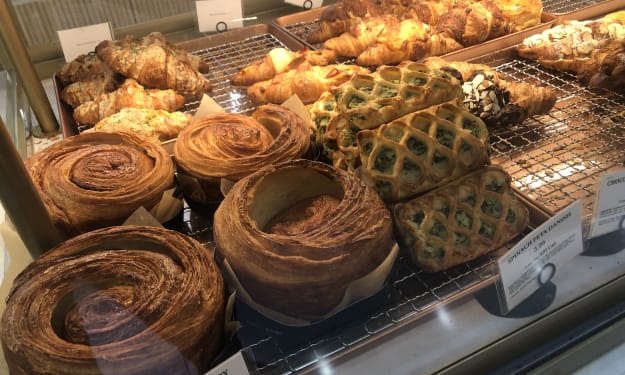
As someone who lives in a rural area, I don't get the chance to visit fancy restaurants or bakeries that often. So, when a friend told me about a French-Asian bakery that's less than an hour away, I knew I had to check it out and grab some pictures for social media. Tous les Jours ended up providing an immersive experience that went above and beyond my expectations--although I did leave with a few reservations.
By Kaitlin Shanks27 days ago in Feast
Edible Offal Market Size and Forecast 2025: A Global Shift Toward Sustainable, Affordable Protein
Edible Offal Market Size and Forecast 2025 The Edible Offal Market is projected to reach US$ 59.60 billion by 2033, rising from US$ 39.66 billion in 2024, registering a CAGR of 4.63% from 2025 to 2033, according to Renub Research. This steady expansion reflects a powerful global shift toward affordable, nutrient-dense protein sources, culturally rooted culinary practices, rising meat consumption, sustainable meat processing, and increasing awareness of food waste reduction. Particularly in developing regions and ethnic cuisine markets, offal is no longer seen as a by-product—it is emerging as both a nutritional asset and a sustainability solution.
By jaiklin Fanandish7 days ago in Feast



Comments
There are no comments for this story
Be the first to respond and start the conversation.