
Fascinating Facts About the World's Most Beloved Dessert
Must-Try Variations
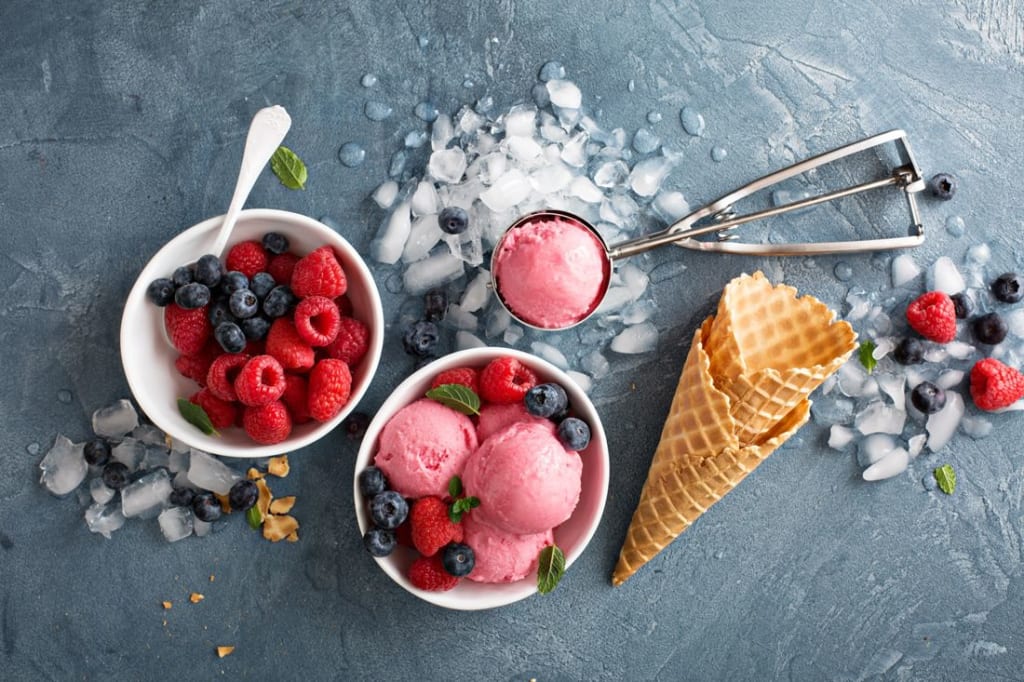
It is uncertain for how many centuries ice cream has been a savior on hot summer days for humanity. The story of its discovery is not known for sure, but it is believed to date back to at least the 4th Century BCE. However, the ice cream enjoyed by Alexander the Great, the king of Macedonia, was not the same as the one we know today. He relished snow and ice covered in honey and nectar. Similarly, the Roman Emperor Nero Caesar consumed snow flavored with fruits and juices.
It is intriguing how people living in warm climates managed to get snow. Their helpers would climb up a nearby mountain to bring some down. Historians suggest that deep pits covered with straw were used to store snow after harvesting it from the mountains. The method of keeping it from melting remains a mystery.
The historical origins of ice cream are quite fascinating. Milk is one of the main ingredients of the dessert we know today, and it is believed to have first appeared in China during the 7th Century CE. At that time, the Tang Dynasty was ruling the country, and the Emperors were likely the first ones to eat ice cream that contains milk. Buffalo, goat, or cow milk was used to make the dessert, and camphor was added to enhance the flavor and aroma. The mixture was then stored in metal tubes and frozen in an ice pool.
Moving on to Medieval Times, we find that frosty treats were also enjoyed during that era. Icy refreshments, the earlier versions of sorbet, were typically made of pomegranate, cherry, or quince. Soon after, the Europeans picked it up, and it became quite popular in Europe as well. The Italians and the French were particularly fond of it, and they perfected it into their own versions.
Overall, the fascinating history of ice cream is a testament to the creativity and ingenuity of people throughout the ages.
During the 17th century, Antonio Latini was the first person to officially document a recipe for his sorbeto, which included fruits, ice, sugar, and milk. This recipe is widely recognized by culinary historians as the first official ice cream recipe. The Italians continued to perfect their own version of sorbet, which they called gelato, meaning "frozen" in Italian. While the exact inventor of gelato is unknown, an Italian man from Cecilia opened the first café in Paris in 1686 and began selling gelato, which quickly became a favorite meeting place for famous intellectuals. This is how the French were introduced to Italian gelato, which was served in porcelain bowls resembling egg cups. However, it is important to note that gelato and ice cream are not the same, and Italians take offense to the two being used interchangeably. Despite their similarities, there are significant differences between the two.
Gelato has a lower fat content and less air compared to ice cream. It also boasts a more intense flavor and is typically served warmer. The French have their own version of frozen dessert called fromage, which, despite its name, does not contain cheese. Originally made of cream, sugar, and orange flower water, the dessert remains creamy and heavy due to its high cream content. Interestingly, both gelato and fromage use eggs as an ingredient to provide necessary fat and flavor.
Moving on to the history of ice cream in America, it is believed to have been brought over by European immigrants and the first ice cream parlor was established in New York in 1790. However, it remained a luxury item until the turn of the century when it became more widely available. Since then, ice cream has become a staple dessert across the country, with many ice cream parlors opening up in various states.
NASA astronauts were found to miss ice cream the most, according to a recent survey. In the USA, a staggering nine percent of all cow milk produced is used for ice cream production. Interestingly, New Zealand is the largest per capita ice cream consumer in the world, followed by the United States. Vanilla is the most popular ice cream flavor, followed by chocolate, which was actually invented earlier than vanilla due to its availability. Nowadays, most vanilla is imported from Indonesia and Madagascar. Surprisingly, there are over 1,000 ice cream flavors in existence, including some unusual ones such as hot dog, bacon, avocado, licorice, octopus, jellyfish, and even roasted garlic. Cheese ice cream is also a real and common thing in the Philippines.
The consumption of ice cream in the Philippines began in the 19th century, however, it wasn't readily available until a century later when refrigeration became widespread. The first ice cream parlor in the country, serving vanilla, chocolate, and strawberry flavors, was established by an American. Subsequently, locals started incorporating locally available products such as mango, avocado, and coconut to produce the frozen treat. In contrast to cow milk, Filipinos traditionally use milk from domestic water buffalo, which is also used to make white cheese. In the latter half of the 20th century, cheddar cheese was introduced to the Philippines, and it quickly became a popular ingredient in dishes such as Filipino spaghetti and pastries as a topping. Combining their favorite cheese with their favorite dessert, ice cream, resulted in an incredible creamy, salty, and sweet cheese ice cream.
The topic of discussion included ice drinks, sorbet, and ice cream, but there was no mention of Popsicles. It is noteworthy that Popsicles were not in existence for a considerable duration until their accidental invention by an 11-year-old boy named Frank Epperson in 1905. On a cold night, he was mixing sugary soda powder with water and left it outside where it got frozen overnight. Upon his return, he licked it off the wooden stick he was stirring it with and enjoyed it so much that he began producing them. Initially, he named them "Epsicles" after his own name, but the name later evolved into "Popsicle." It is interesting to note that ice cream cones were invented just a year before Popsicles in 1904 when a man was selling waffle-like pastries at a fair, and another man selling ice cream ran out of dishes. The former rolled his waffle and offered to sell ice cream in them.
The history of ice cream is ongoing, with new frozen treats being invented even today. For instance, Slurpee’s were first created in the late 1950s by Omar Knedlik, who was working at Dairy Queen in Kansas City. When the soda fountain broke down, he put the beverages in the freezer, which turned them slushy. This inspired him to create a machine that makes frozen beverages. He even came up with the name "Icy" and designed a logo for the brand. Several years later, 7-Eleven bought the rights to sell the drinks, and they became popular.
Another recent ice cream innovation is Dippin' Dots, which was created in 1988 by a microbiologist who wanted an easier way to feed cows. He began freezing cow feed and then realized he could freeze other foods, including ice cream, leading to a blast of a new frozen treat.
About the Creator
Cyril Nsiah Baafi
Cyril is a new and upcoming author who loves science and the mystery of how things work. He lives in Ghana, where he enjoys exploring the natural wonders of his country and learning about its rich culture and history.
Keep reading
More stories from Cyril Nsiah Baafi and writers in Feast and other communities.
Antimatter and the Big Bang
Located in the depths of the universe lies a potent and enigmatic force that remains concealed, awaiting discovery. This force has the capacity to revolutionize our world as we know it and is known as antimatter. Although often associated with science fiction, antimatter is a genuine scientific phenomenon that has been the subject of study for over a century.
By Cyril Nsiah Baafi3 years ago in Futurism
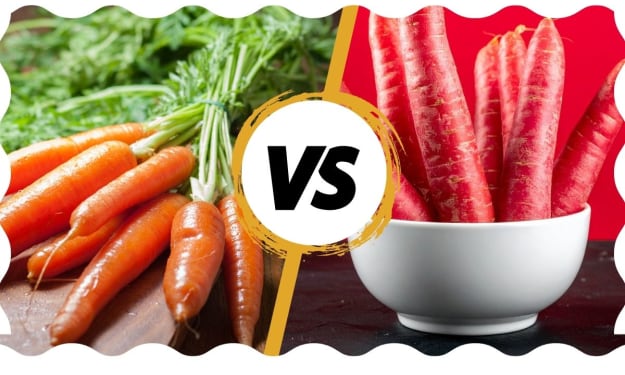
Orange vs Red Carrots
Carrots are among the most popular root vegetables around the world. They are widely appreciated for their natural sweetness, crunchy texture, and impressive nutritional value. While most people are familiar with orange carrots, many regions—especially in South Asia—also consume red carrots, particularly during winter. This often raises a common question: which carrot is better for health—orange or red?
By Stories Today6 days ago in Feast
Decaf Tea, The Ordinary Cup With Real Benefits
Decaf Tea, The Ordinary Cup With Real Benefits Many people think a cup of decaf tea is somehow weaker or pointless. That idea is not really true. The facts about decaffeinated tea show that it can be a very good choice, especially for people who want the comfort of tea without the strong effect of caffeine.
By George’s Girl 2026 2 days ago in Feast



Comments (1)
Apart from learning about my favorite dessert, love the way you write.