
Exotic Gastronomy: Exploring the World's Most Bizarre Delicacies
Unearth the World's Weirdest Eats: A Globetrotting Journey into Exotic Cuisines and Unconventional Tastes
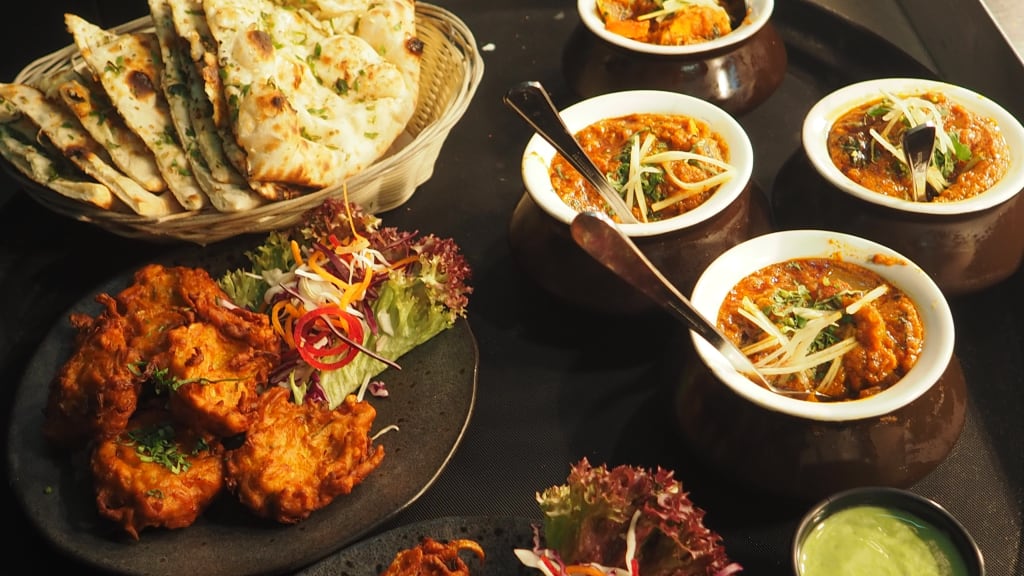
Food is a universal language that connects people from all walks of life. It not only nourishes our bodies but also opens doors to diverse cultures and traditions. While some dishes are celebrated and adored worldwide, there are others that might seem strange and bizarre to the uninitiated. Join us on a culinary adventure as we explore the most peculiar and fascinating delicacies from around the globe. Brace yourself, for your taste buds are in for a rollercoaster ride!
Balut (Philippines):
In the Philippines, brave souls savor Balut - a delicacy that appears to be straight out of a daredevil's dream. Balut is a developing duck embryo boiled and eaten from its own shell. It's a truly acquired taste that locals swear by, claiming it to be rich in proteins and aphrodisiac properties. The experience of consuming balut is not just about the taste but also the cultural significance and heritage it represents. This Filipino street food has captured the curiosity of food enthusiasts worldwide, and for many, trying balut becomes an adventurous rite of passage.
Casu Marzu (Italy):
Italy is renowned for its mouthwatering pizzas and pasta dishes, but there's one specialty that may leave you both intrigued and hesitant. Casu Marzu is a traditional Sardinian cheese teeming with live maggots. The maggots help ferment the cheese, giving it a distinctive taste and texture. Although consuming live larvae might be unsettling for some, aficionados appreciate the intense flavor and unique experience it offers. It's not just a cheese; it's a cultural delicacy with a controversial history that reveals the deep connections between food, tradition, and people.
Hákarl (Iceland):
Iceland, a land of stunning landscapes, is also home to Hákarl, a traditional dish made from fermented shark meat. The preparation process involves burying the shark's meat underground for several months to rid it of toxins. The result? A dish with a strong ammonia smell that is an acquired taste even for some Icelanders. Hákarl is a culinary journey that takes us back in time, showcasing the resourcefulness of Icelanders in preserving food in harsh conditions. As an integral part of Icelandic culture, it represents the tenacity and resilience of a nation thriving in the face of adversity.
Escamoles (Mexico):
Move over guacamole; Mexico has something even more intriguing to offer - Escamoles, or ant larvae. Harvested from the roots of agave or maguey plants, Escamoles have a nutty and buttery flavor, earning them the nickname "insect caviar." This delicacy has been a staple of Mexican cuisine since pre-Hispanic times, valued for its unique taste and nutritional benefits. Trying escamoles offers a window into the rich culinary heritage of Mexico, where ancient traditions continue to influence modern gastronomy.
Century Egg (China):
Aptly named, Century Eggs are a Chinese delicacy preserved for weeks or months using a unique mixture of clay, ash, salt, quicklime, and rice straw. The result is an egg with a translucent jelly-like texture and a strong, distinct flavor. Despite their appearance, these preserved eggs have a large fan base in China and beyond. Century eggs exemplify the art of food preservation, a culinary tradition deeply rooted in Chinese culture. By trying this ancient delicacy, one can appreciate the craftsmanship and ingenuity of preserving food in times of scarcity.
Venturing into the world of bizarre foods is like embarking on a culinary odyssey that challenges our preconceived notions of taste and delicacy. As global citizens, embracing diverse cuisines opens our minds to new experiences and allows us to connect with cultures far beyond our borders. So, next time you embark on a gastronomic adventure, dare to try something unconventional - who knows, it might just become your new favorite dish! Remember, the beauty of food lies not only in its taste but also in the stories it carries and the memories it creates. Bon appétit!
About the Creator
Keep reading
More stories from Gary Johnson and writers in Feast and other communities.
Unveiling the Hidden Gems of the United States: Off-the-Beaten-Path Treasures Worth Discovering
The United States is a land of vast landscapes, vibrant cities, and diverse cultures, but beyond the iconic landmarks and tourist hotspots lies a treasure trove of hidden gems waiting to be explored. From secluded natural wonders to charming small towns with rich histories, these off-the-beaten-path destinations offer a unique and authentic American experience. So, grab your map and embark on a journey with us as we unveil some of the lesser-known, yet awe-inspiring, treasures of the United States.
By Gary Johnson2 years ago in Education
My Tous les Jours Trip
As someone who lives in a rural area, I don't get the chance to visit fancy restaurants or bakeries that often. So, when a friend told me about a French-Asian bakery that's less than an hour away, I knew I had to check it out and grab some pictures for social media. Tous les Jours ended up providing an immersive experience that went above and beyond my expectations--although I did leave with a few reservations.
By Kaitlin Shanks25 days ago in Feast
Asia Pacific Ice Cream Market Size and Forecast 2025–2033: A Sweet Surge Driven by Innovation, Urban Lifestyles, and Premiumization
Asia Pacific Ice Cream Market Overview Ice cream, a universally loved frozen dessert, has evolved from a simple summer treat into a year-round indulgence across the Asia Pacific region. Made from milk, cream, fruits, chocolate, and a variety of flavoring ingredients, ice cream is enjoyed not only as a dessert but also as a snack, a social food, and even a mood enhancer. Its ability to provide instant relief from heat, especially in tropical and subtropical climates, makes it a staple in many Asian countries.
By Marthan Sirabout 14 hours ago in Feast



Comments
There are no comments for this story
Be the first to respond and start the conversation.