
Condiments, Herbs, Seasonings and Spices: What's the Difference?
Good cooks know when to use condiments, herbs, seasonings, and spices.


Condiments, herbs, seasonings, and spices are not the same. They have some of the same characteristics but also some differences. They serve different purposes. Let's set the record straight.
What Are Condiments?
A condiment is a supplemental food that is served with some foods for extra flavor. A condiment complements the dish, but it cannot stand alone as a dish itself. It is not part of the dish. Instead, it is part of the meal to enhance the dish. A condiment could be a sauce or gravy. No one would eat sauce or gravy without them being part of the main dish.
Think of a condiment as something added to the food after it is cooked, instead of being part of the preparation and cooking of the dish. A condiment is optional that can be added to the dish at the table while it is being eaten.
Three Types of Condiments
- Pungent condiments: e.g., chives, garlic, horseradish, onions
- Hot condiments: e.g., capers, gherkins, ketchup, chili sauce, A1 steak sauce, Tabasco sauce, Worcester sauce
- Fatty substances: e.g., butter, margarine, olive oil, vegetable oil
Sauces are condiments and not herbs, seasonings, or spices. Condiments are a growing business in the United States. The annual sale of them is more than $7 billion. In the specialty food category, condiments rank as the second-largest behind cheese.

What Are Herbs?
Herbs are plants used to give food aroma and flavor. They are also used to garnish dishes. All parts of the plant, such as leaves, stems, and flowers can be used.
Herbs are plant parts, including leaves, roots, flowers, seeds, and bark. Hundreds of herbs can be used in small amounts to provide flavor to foods. They can be fresh from the garden or flaked in containers found in the grocery store.
Three Types of Herbs
- Annuals: e.g., basil
- Biennials: e.g., parsley
- Perennials: e.g., thyme, sage, lavender, rosemary
What Are Seasonings?
Seasonings are used in the preparation of foods instead of being added after they are cooked and ready to be eaten.
Four Types of Seasonings
- Saline seasonings: e.g., salt, spiced salt, saltpeter
- Acid seasonings: e.g., plain vinegar, tarragon, verjuice, lemon juice, orange juice
- Hot seasonings: e.g., ground pepper, peppercorns, mignonette pepper, paprika, curry, cayenne, mixed pepper spices
- Spice seasonings: e.g., essential oils such as cloves, cinnamon, paprika

What Are Spices?
Herbs generally refer to the fresh or dried parts of a plant, including leaves, stems, and flowers. Spices are different because they are made from other parts of the plant, including the barks, buds, bulbs, seeds, fruits, and roots.
A spice is a seed, fruit, root, bark, or other parts of the plant primarily used for flavoring, coloring, or preserving food. Some examples of spices include cinnamon, allspice, cloves, and cardamom.
Four Types of Spices
- Seeds: e.g., fennel, mustard, nutmeg, black pepper
- Fruits: e.g., cayenne pepper
- Arils: e.g., nutmeg
- Barks: e.g., cinnamon, cassia
Spices are used in foods, medicine, cosmetics, perfume, burials, and religious rituals.
Spices do not expire, but ground spices lose their flavor after about three years, and whole dry spices lose their potency after four years.
Summary
- Condiments: Supplements added to food after it has been cooked.
- Herbs: Leaves, flowers, or stems of plants used for flavoring or as a garnish.
- Seasonings: Ingredients used in the preparation of food before it is cooked.
- Spices: Seeds, fruits, roots, and barks are used for flavoring, coloring, or preserving food. On some occasions, a spice can be both a seasoning and a spice, such as salt and pepper.
Good cooks know that some condiments can be seasonings, depending on how they are used. For instance, mayonnaise is a seasoning if used in potato salad, and mayonnaise is a condiment if used on a ham sandwich.
About the Creator
Margaret Minnicks
Margaret Minnicks has a bachelor's degree in English. She is an ordained minister with two master's degrees in theology and Christian education. She has been an online writer for over 15 years. Thanks for reading and sending TIPS her way.
Keep reading
More stories from Margaret Minnicks and writers in Feast and other communities.
Combination Meals: Brunch, Linner, Dunch, and Lupper
People eat throughout the day, and the three main meals are called breakfast, lunch, and dinner. Sometimes people miss eating those meals at times usually designated for them. Is it still breakfast if you get out of bed at 7 a.m. and you don't eat anything until around 11 a.m.? Is it still lunch if you eat long after the middle of the day? Is it still supper if you eat earlier than 6 p.m.?
By Margaret Minnicks6 months ago in Feast
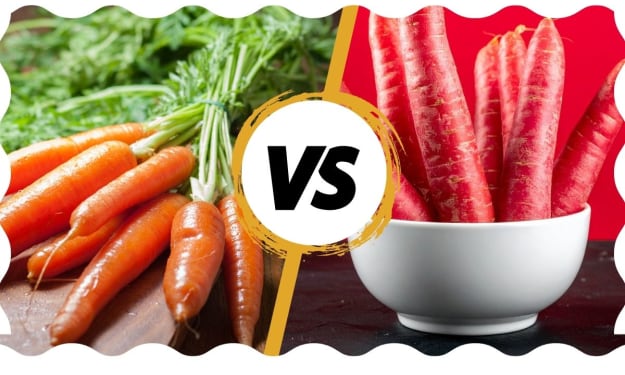
Orange vs Red Carrots
Carrots are among the most popular root vegetables around the world. They are widely appreciated for their natural sweetness, crunchy texture, and impressive nutritional value. While most people are familiar with orange carrots, many regions—especially in South Asia—also consume red carrots, particularly during winter. This often raises a common question: which carrot is better for health—orange or red?
By Stories Today2 days ago in Feast



Comments
There are no comments for this story
Be the first to respond and start the conversation.