
China Vegan Mapo Tofu - A Flavor-Packed Chinese Classic Reinvented .
Discover the bold and spicy flavors of Mapo Tofu with a vegan twist—satisfyingly savory, completely plant-based, and true to its Sichuan roots

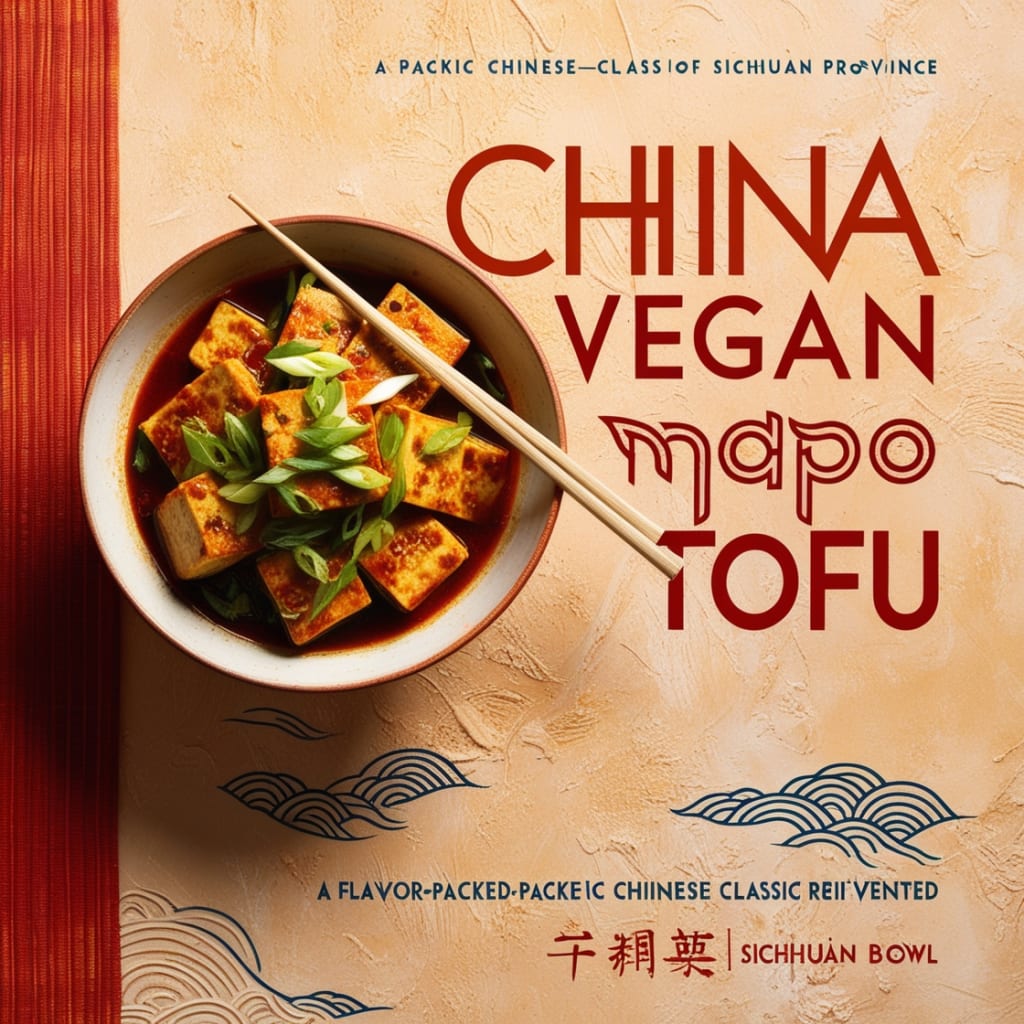
China Vegan Mapo Tofu - A Flavor-Packed Chinese Classic Reinvented .
Discover the bold and spicy flavors of Mapo Tofu with a vegan twist—satisfyingly savory, completely plant-based, and true to its Sichuan roots
Introduction:
Mapo Tofu, a spicy, savory dish originating from Sichuan province in China, is renowned for its bold flavors and fiery heat. Traditionally made with ground pork or beef, this dish has been transformed into a vegan-friendly delight that’s both satisfying and loaded with plant-based goodness. This article will take you through the journey of creating Vegan Mapo Tofu, a dish that retains the essence of the classic version while catering to those who follow a plant-based diet. Whether you're a seasoned cook or a vegan newbie, this guide is your key to mastering the dish.
Table of Contents
1. Introduction to Vegan Mapo Tofu
2. The Origins and History of Mapo Tofu
3. Why Veganize Mapo Tofu?
4. Ingredients for the Perfect Vegan Mapo Tofu
5. Step-by-Step Instructions to Make Vegan Mapo Tofu
6. Tips for Customizing Your Vegan Mapo Tofu
7. How to Serve Vegan Mapo Tofu
8. Nutritional Benefits of Vegan Mapo Tofu
9. Mapo Tofu Around the World
10. Conclusion: Bringing the Flavors of Vegan Mapo Tofu to Your Kitchen
1. Introduction to Vegan Mapo Tofu
Vegan Mapo Tofu is a spicy, comforting, and delicious meal that has its roots in Sichuan cuisine. Characterized by its bold flavors, this vegan version swaps the traditional ground meat for plant-based alternatives while still capturing the deep umami and heat that make Mapo Tofu so beloved. The core ingredients—soft tofu, fermented black beans, and Sichuan peppercorns—are what make this dish irresistible. Plus, it's a fantastic option for those looking to enjoy authentic Chinese cuisine without meat.
2. The Origins and History of Mapo Tofu
Mapo Tofu, which translates to “pockmarked grandma’s tofu,” has a long history dating back to the late 1800s. The dish is named after a woman who supposedly created it at her small restaurant in Chengdu, the capital of Sichuan province. The original recipe included tofu cooked in a fiery sauce made with fermented black beans, chili paste, and minced beef or pork. Over time, this dish has become a staple of Sichuan cuisine, known for its numbing spiciness from Sichuan peppercorns and its balance of flavors.
As global interest in plant-based diets grows, the vegan adaptation of Mapo Tofu allows this iconic dish to be enjoyed by a wider audience. This vegan version keeps the integrity of the original flavors intact, all while offering a cruelty-free and health-conscious alternative.
3. Why Veganize Mapo Tofu?
There are many reasons why someone might choose to veganize traditional dishes like Mapo Tofu. A few key motivations include:
- Health Reasons: Many people opt for vegan diets to reduce saturated fats and cholesterol intake while boosting fiber and plant-based protein. Tofu is a rich source of plant-based protein, and vegan Mapo Tofu eliminates the need for fatty ground meat.
- Environmental Impact: Eating less meat reduces your carbon footprint and helps conserve natural resources. By making Mapo Tofu vegan, you can enjoy this dish in a more eco-friendly way.
- Ethical Considerations: For those who are committed to cruelty-free living, veganizing traditional recipes aligns with their moral stance against animal exploitation.
Ultimately, vegan Mapo Tofu provides all the flavor of the original dish while meeting these modern dietary and ethical needs.
4. Ingredients for the Perfect Vegan Mapo Tofu
Creating an authentic-tasting Vegan Mapo Tofu requires sourcing the right ingredients. Here’s a breakdown of the key components:
Core Ingredients:
- Soft or Silken Tofu: Soft tofu soaks up the sauce beautifully and provides a melt-in-your-mouth texture.
- Fermented Black Beans (Douchi): These add a salty, umami-rich depth to the dish.
- Doubanjiang (Sichuan Chili Bean Paste): A spicy, savory paste that is the backbone of Mapo Tofu’s signature flavor.
- Sichuan Peppercorns: These peppercorns offer a unique numbing sensation and a citrusy fragrance that defines Sichuan cuisine.
- Garlic and Ginger: Aromatics that elevate the complexity of the sauce.
- Soy Sauce and Rice Wine: Provide saltiness and a slight sweetness to balance the spiciness.
Vegan Substitutes for Ground Meat:
- Plant-Based Ground Meat: Products like Beyond Meat or Impossible Meat work well as a substitute.
- Crumbled Tofu or Tempeh: For a homemade, wholesome option.
Optional Ingredients:
- Vegetable Broth: Enhances the saucy nature of the dish.
- Green Onions: Add freshness and a pop of color as a garnish.
- Sesame Oil: A drizzle at the end adds a nutty richness.
5. Step-by-Step Instructions to Make Vegan Mapo Tofu
Here’s how you can make a delicious Vegan Mapo Tofu at home.
Ingredients:
- 1 block of soft or silken tofu
- 2 tbsp fermented black beans (douchi), rinsed and minced
- 2 tbsp doubanjiang (Sichuan chili bean paste)
- 1 tbsp Sichuan peppercorns
- 1 tsp soy sauce
- 1 tbsp rice wine (Shaoxing wine preferred)
- 2 cloves garlic, minced
- 1-inch piece of ginger, minced
- 1 cup vegetable broth
- 1 cup plant-based ground meat (optional)
- 1 tbsp cornstarch mixed with 2 tbsp water (for thickening)
- 2 green onions, sliced
- 1 tsp sesame oil
- Cooked rice, for serving
Instructions:
1. Prep the Tofu: Drain the tofu and cut it into cubes. Gently boil it in salted water for 2-3 minutes, then set aside. This step helps firm up the tofu and enhance its texture.
2. Toast the Sichuan Peppercorns: In a dry pan, toast the Sichuan peppercorns for 2 minutes until fragrant. Crush them into a coarse powder using a mortar and pestle.
3. Cook the Aromatics: In a large pan, heat some oil over medium heat. Add the minced garlic and ginger and sauté until fragrant, about 1 minute.
4. Add the Doubanjiang and Fermented Black Beans: Stir in the doubanjiang and fermented black beans. Cook for 2-3 minutes until the oil turns a rich red color.
5. Incorporate the Plant-Based Meat (Optional): If using, add your plant-based ground meat or crumbled tofu/tempeh to the pan. Stir and cook until browned, about 5 minutes.
6. Simmer the Tofu in Sauce: Add the tofu cubes to the pan, followed by the vegetable broth, soy sauce, and rice wine. Gently stir, being careful not to break the tofu.
7. Thicken the Sauce: Pour in the cornstarch slurry and simmer for 3-5 minutes, until the sauce has thickened.
8. Finish with Sichuan Peppercorns and Sesame Oil: Sprinkle the toasted Sichuan peppercorns over the dish and drizzle with sesame oil for extra flavor.
9. Serve: Garnish with sliced green onions and serve over steamed rice.
6. Tips for Customizing Your Vegan Mapo Tofu
- Adjust the Spice Level: For a milder dish, reduce the amount of doubanjiang or leave out the Sichuan peppercorns. For more heat, add extra chili flakes or fresh chilies.
- Make it Gluten-Free: Use tamari instead of soy sauce and ensure your doubanjiang is gluten-free.
- Swap the Tofu: For a different texture, try using firm tofu or pan-fry the tofu cubes before simmering in the sauce for a crispier bite.
7. How to Serve Vegan Mapo Tofu
Vegan Mapo Tofu is typically served over a bed of hot steamed rice, which helps balance the dish's strong flavors. However, you can also serve it with:
- Brown Rice or Quinoa: For added fiber and protein.
- Rice Noodles: For a different textural experience.
- Steamed Vegetables: To add some extra nutrients and balance the spice.
Pair the dish with a refreshing cucumber salad or a light soup like miso or hot and sour soup for a full meal.
8. Nutritional Benefits of Vegan Mapo Tofu
Vegan Mapo Tofu is not only delicious but also packed with nutrients. Here’s what makes it a wholesome meal:
- High in Plant-Based Protein: Thanks to tofu and optional plant-based meat, this dish is rich in protein, essential for muscle repair and growth.
- Rich in Vitamins and Minerals: The tofu provides calcium, iron, and magnesium, while the vegetables and spices contribute antioxidants and anti-inflammatory benefits.
- Low in Saturated Fat: Without the use of traditional ground pork or beef, the dish is significantly lower in saturated fats, promoting heart health.
- High in Fiber: The plant-based version is naturally high in fiber, which aids digestion and helps maintain healthy cholesterol levels.
9. Mapo Tofu Around the World
Mapo Tofu has crossed borders and can now be found in Chinese restaurants globally. Each region has
adapted the dish according to local tastes, making it a versatile favorite. In Japan, Mapo Tofu is often served with a milder sauce, while in Western countries, it may be offered with various protein alternatives. The vegan version is growing in popularity, especially as plant-based diets gain traction worldwide.
10. Conclusion: Bringing the Flavors of Vegan Mapo Tofu to Your Kitchen.
Vegan Mapo Tofu is a dish that allows you to enjoy the bold, authentic flavors of Sichuan cuisine while embracing a plant-based lifestyle. With the right ingredients and preparation, you can recreate this Chinese classic in your kitchen and customize it to suit your taste. Whether you’re seeking a nutritious, hearty meal or looking to impress friends with an international dish, Vegan Mapo Tofu offers the perfect balance of flavor, heat, and satisfaction.
Now that you have the recipe and tips, it’s time to roll up your sleeves and bring this vegan twist on a traditional favorite to life. Your taste buds are in for an unforgettable experience!
About the Creator
Md Obydur Rahman
Md Obydur Rahman is a passionate Story and Content Writer, known for crafting engaging narratives that resonate with readers. He skillfully weaves emotion and realism, bringing characters and stories to life.
Keep reading
More stories from Md Obydur Rahman and writers in Feast and other communities.
China Vegan Dim Sum Dumplings - A Flavorful Guide to Making Delicious Plant-Based Dim Sum.
China Vegan Dim Sum Dumplings - A Flavorful Guide to Making Delicious Plant-Based Dim Sum. Learn how to craft delicious plant-based dim sum dumplings, packed with authentic flavors and perfect for a vegan-friendly Chinese feast
By Md Obydur Rahmanabout a year ago in Feast
My Tous les Jours Trip
As someone who lives in a rural area, I don't get the chance to visit fancy restaurants or bakeries that often. So, when a friend told me about a French-Asian bakery that's less than an hour away, I knew I had to check it out and grab some pictures for social media. Tous les Jours ended up providing an immersive experience that went above and beyond my expectations--although I did leave with a few reservations.
By Kaitlin Shanks23 days ago in Feast
Edible Offal Market Size and Forecast 2025: A Global Shift Toward Sustainable, Affordable Protein
Edible Offal Market Size and Forecast 2025 The Edible Offal Market is projected to reach US$ 59.60 billion by 2033, rising from US$ 39.66 billion in 2024, registering a CAGR of 4.63% from 2025 to 2033, according to Renub Research. This steady expansion reflects a powerful global shift toward affordable, nutrient-dense protein sources, culturally rooted culinary practices, rising meat consumption, sustainable meat processing, and increasing awareness of food waste reduction. Particularly in developing regions and ethnic cuisine markets, offal is no longer seen as a by-product—it is emerging as both a nutritional asset and a sustainability solution.
By jaiklin Fanandish3 days ago in Feast
My New Book is Finally Here
My poetry collection Beautiful and Brutal Things is done. It's actually done and finally published over 270 pages. Over a year of my life went into this book. More than a year, really. Long days at my computer, sometimes seven days a week because I couldn't stop even when I probably should have. Then two months of editing that felt harder than the writing itself. But it's finished, and I'm still standing, and the book is real.
By Tim Carmichael2 days ago in BookClub


Comments
There are no comments for this story
Be the first to respond and start the conversation.