
Cesar Chavez: A Legacy of Justice and Compassion
Cesar Chavez remains one of the most important figures in American history. He fought for fairness, equality, and better lives for farmworkers who were often treated poorly. Even though he passed away in 1993, his work continues to inspire people across the United States and around the world. This article explores his life, his impact, and why people still admire him today.

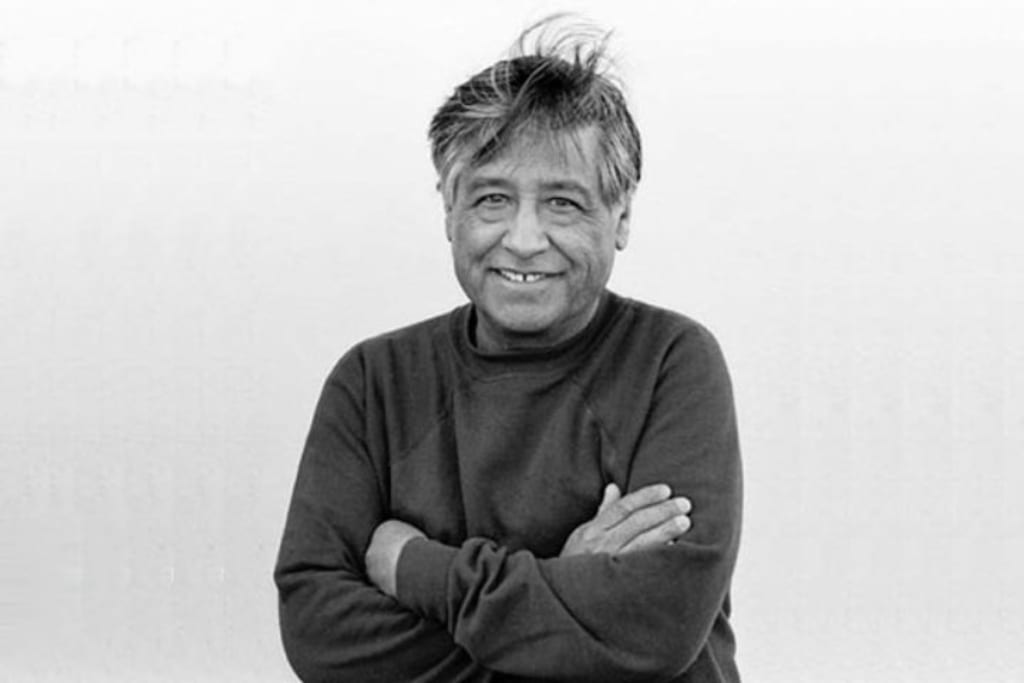
Early Life and Hardships
Cesar Estrada Chavez was born on March 31, 1927, near Yuma, Arizona, into a Mexican-American family. His early years were tough. During the Great Depression, his family lost their farm and became migrant workers, moving across California to find jobs. As a child, Cesar worked long hours in the fields with his parents. These experiences showed him how farmworkers were treated unfairly—low pay, unsafe conditions, and discrimination.
Cesar left school after eighth grade to help support his family. Despite this, he never stopped learning. He read books and studied ideas about workers' rights and peaceful protest. These early struggles shaped his beliefs and pushed him to fight for justice.
Building a Movement
In 1962, Chavez co-founded the National Farm Workers Association (NFWA), which later became the United Farm Workers (UFW). At the time, farmworkers had no way to negotiate better wages or working conditions. Many were immigrants or Mexican Americans who faced exploitation every day.
One of Chavez’s biggest achievements was the Delano Grape Strike, which began in 1965. Filipino grape pickers in Delano, California, went on strike to demand higher wages. Chavez and the UFW joined them, turning a local protest into a nationwide boycott of table grapes. The boycott lasted five years and brought attention to the struggles of farmworkers. In 1970, growers agreed to improve wages and conditions, marking a major victory.
Chavez believed in nonviolent protest, inspired by leaders like Mahatma Gandhi and Martin Luther King Jr. He organized marches, fasted for days, and held prayer vigils to show his commitment to peace. For example, in 1968, he fasted for 25 days to highlight the moral side of the struggle. These actions earned him respect and trust from supporters.
Why People Still Admire Him
Cesar Chavez is remembered fondly for many reasons. First, he gave a voice to those who were ignored. Farmworkers, many of whom were undocumented immigrants, had no legal protections or political power. By organizing them, Chavez helped them stand up for themselves. His efforts led to safer workplaces, better pay, and access to healthcare.
Second, Chavez stood out because of his commitment to peaceful protest. While other movements sometimes turned violent, he always chose nonviolence. His famous march from Delano to Sacramento in 1966—a 340-mile journey—was a powerful symbol of hope and unity. Thousands joined him along the way, showing the strength of collective action rooted in peace.
Third, Chavez inspires future generations. Young activists fighting for immigrant rights, racial equality, and economic justice see him as proof that ordinary people can make a difference. Schools, streets, and parks named after him remind us of his lasting impact.
Finally, Chavez’s personal sacrifices earned him deep respect. His fasts were physically challenging but spiritually meaningful. They showed his belief that suffering could lead to positive change if it served a noble purpose. Such acts touched the hearts of many supporters.
Real-Life Examples of His Impact
To understand Chavez’s influence, consider these examples:
- Thanks to the UFW, California passed the Agricultural Labor Relations Act in 1975. This law gave farmworkers the right to form unions and negotiate contracts—a huge step forward.
- The Delano Grape Strike showed how consumer pressure could force big companies to change. Similar strategies have been used in other movements, such as campaigns against apartheid in South Africa and environmental advocacy.
- Chavez also created programs to help farmworker families. For instance, the UFW-sponsored radio station Radio Campesina provided information and resources directly to rural communities, helping them feel connected and empowered.
Celebrating Cesar Chavez Today
Every year on March 31, people celebrate Cesar Chavez Day. While it’s not yet a federal holiday, states like California, Colorado, and Texas recognize it as a state holiday. On this day, schools hold events to teach students about Chavez’s values, while community groups organize service projects and rallies.
Many believe making it a federal holiday would honor the importance of labor rights and the contributions of immigrants to American society. Supporters say it would remind everyone of the need for fairness and justice.
Conclusion
Cesar Chavez’s story is one of courage, hard work, and compassion. From his days as a migrant worker to his role as a civil rights leader, he showed what grassroots activism can achieve. His efforts transformed the lives of countless farmworkers and paved the way for future movements.
People continue to honor Chavez because he stood up for what was right, even when it was difficult. He listened to those who were suffering, stood by their side, and worked tirelessly for change. His legacy is one of justice, dignity, and hope.
As we reflect on his life and work, let us remember his words: "Si se puede" ("Yes, we can"). These simple yet powerful words remind us that no matter how hard the challenge, collective action and determination can create a better world.
Three Real-Life Examples to Illustrate the Main Points
- The Delano Grape Strike: The five-year boycott of table grapes united millions of Americans and forced growers to agree to better wages and conditions for workers. It proved that peaceful protests and consumer pressure could bring about real change.
- California’s Agricultural Labor Relations Act: Passed in 1975, this law gave farmworkers the right to unionize and negotiate contracts. It was a direct result of Chavez’s efforts and remains a landmark achievement in labor rights.
- Modern-Day Activism: Groups like the Fight for $15 movement, which advocates for higher minimum wages, draw inspiration from Chavez’s strategies. They use similar tactics, such as strikes and public awareness campaigns, to push for fair treatment of workers.
Interesting Facts and Statistics
- During the Delano Grape Strike, over 17 million Americans stopped buying table grapes, showing the power of collective action.
- Cesar Chavez’s 1966 march from Delano to Sacramento covered 340 miles and took 25 days, attracting thousands of supporters along the way.
- According to the UFW, Chavez’s work improved the lives of over 100,000 farmworkers in California alone.
About the Creator
Keep reading
More stories from Anna-Maria and writers in Feast and other communities.
The Worst Valentine's Gifts Ever: A Comedy Special (According to Women)
#1: Bath Bombs Oh, bath bombs. The glittery, fizzy promise of relaxation. But let me tell you something: if I wanted to sit in a tub full of chemicals that turn my skin neon blue or green, I’d go swimming in a glow-in-the-dark pool. Sure, they smell nice, but honestly? They’re like adult versions of Play-Doh. And let’s not forget the inevitable mess: glitter everywhere, clogged drains, and a bathroom that looks like a science experiment gone wrong.
By Anna-Mariaabout a year ago in Feast
Becca
"Everything is so... flat." Denille said stupidly as she looked around her new neighborhood. She looked around at the muted desert where even the smallest sign of life seemed to have given up. The plant life was shrubs that were half cooked by the heat and where there should have been a lawn, a mess of white rocks laid glistening in the sun. Even the sky looked stretched thin, like the sun had ironed it smooth. She’d moved from Riverside, where at least there were hills, but here in Barstow, everything felt baked and brittle.
By Sara Wilson7 days ago in Fiction


Comments
There are no comments for this story
Be the first to respond and start the conversation.