
Cannelloni Chronicles: How Pasta Stuffed My Heart (and Stomach)
A Family Recipe That's More Than Just Food

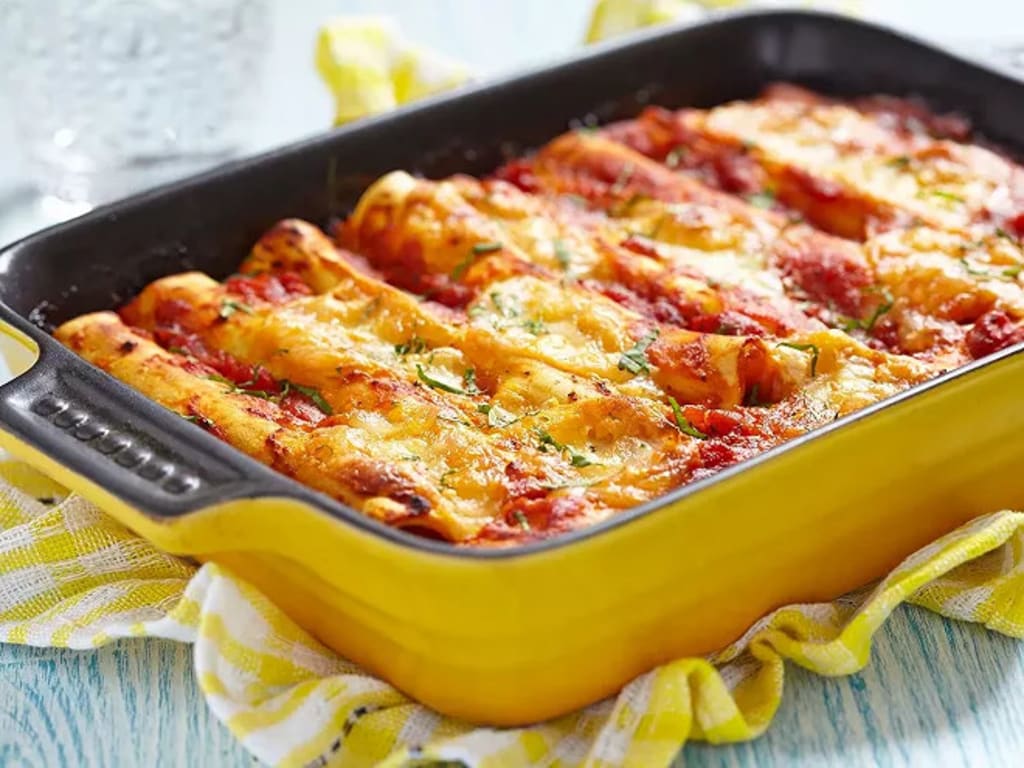
Some dishes transcend taste. They carry memories, traditions, and the warmth of shared moments. For me, cannelloni isn’t just pasta—it’s a love letter from my nonna’s kitchen, wrapped in dough and smothered in sauce.
Every Sunday, her tiny apartment filled with the rich aroma of simmering tomatoes, garlic, and basil. She’d tie her apron, flour dusting her hands like powdered snow, and hand me a scrap of dough. "Assaggia," she’d say—taste. It wasn’t just food; it was heritage.
Cannelloni marked celebrations, reunions, and quiet Sundays. Each bite tasted of patience, love, and legacy. And now, I share her recipe with you—a dish steeped in family history.
Cannelloni della Nonna: A Taste of History
In Italy, cannelloni symbolizes comfort and celebration. The word itself comes from canna, meaning “reed,” reflecting the tube shape of the pasta. Traditionally, families gathered to prepare it together—rolling dough, mixing filling, and layering sauce with laughter and stories.
For my family, cannelloni wasn’t an everyday meal. It was reserved for special occasions—Easter, Christmas, or when relatives visited from afar. My nonna believed food spoke louder than words. If you sat at her table, you were loved.
I remember one winter evening. Snow fell outside, rare for our town. Nonna, undeterred, insisted we make cannelloni to warm the soul. “Il cibo è amore,” she’d say—food is love. That night, wrapped in the scent of tomatoes and cheese, I understood.
Cannelloni also appeared at life’s crossroads. When I graduated, nonna made a celebratory tray. When I faced heartbreak, she baked another, her silent gesture of comfort. Through joy and sorrow, cannelloni remained a constant, like her unwavering support.
Ingredients (Serves 4-6)
For the pasta (optional but worth it):
- 300 g all-purpose flour
- 3 eggs
- Pinch of salt
For the filling:
- 500 g ricotta cheese
- 300 g spinach (blanched, chopped, well-drained)
- 100 g Parmesan, grated
- 1 egg
- Salt, pepper, pinch of nutmeg (optional)
For the sauce:
- 1 kg peeled tomatoes or good-quality passata
- 2 garlic cloves, crushed
- Fresh basil leaves
- Olive oil, salt, pepper
For topping:
- 100 g mozzarella, shredded
- Parmesan, grated
Step-by-Step Instructions
1. Make the Pasta (Optional but Rewarding)
Homemade pasta elevates cannelloni from delicious to unforgettable.
- On a clean surface, mound the flour. Create a well in the center, crack in the eggs, and sprinkle salt.
- Using a fork, beat the eggs gently, incorporating flour bit by bit until a dough forms.
- Knead for 10 minutes until smooth and elastic.
- Wrap the dough in plastic wrap and let it rest for 30 minutes. This allows the gluten to relax, making it easier to roll.
While waiting, nonna would sip espresso and hum old Neapolitan songs. I still hear her voice when I make pasta.
If time is short, store-bought pasta works. But if you want authenticity, homemade wins every time.
2. Prepare the Filling
- In a large bowl, combine ricotta, spinach, Parmesan, and egg.
- Season with salt, pepper, and a pinch of nutmeg if you like subtle warmth.
- Mix until smooth and creamy. It should spread easily but hold its shape.
Nonna’s trick? Taste the filling. If you wouldn’t eat it by the spoonful, it’s not ready.
For variation, swap spinach for sautéed mushrooms or add shredded chicken for heartiness.
3. Cook the Sauce
Simple ingredients shine when treated with care.
- Heat olive oil in a pan. Sauté garlic until golden, not burnt.
- Add tomatoes, crushing them with a spoon.
- Season with salt and pepper. Toss in fresh basil.
- Simmer for at least 30 minutes, stirring occasionally.
The sauce thickens, deepens in flavor, and perfumes your kitchen. Nonna often doubled the batch, freezing extra for quick meals.
4. Roll, Fill, and Assemble
- Roll pasta thin, about 2 mm. Cut into rectangles (10 x 15 cm).
- Spoon filling along one edge. Roll tightly, like a cigar.
- If using dried pasta, boil sheets briefly until pliable.
Nonna’s rule: Don’t overstuff. The filling should hug the pasta, not burst through.
5. Bake to Perfection
- Preheat the oven to 180°C (350°F).
- Spread a thin layer of sauce in a baking dish.
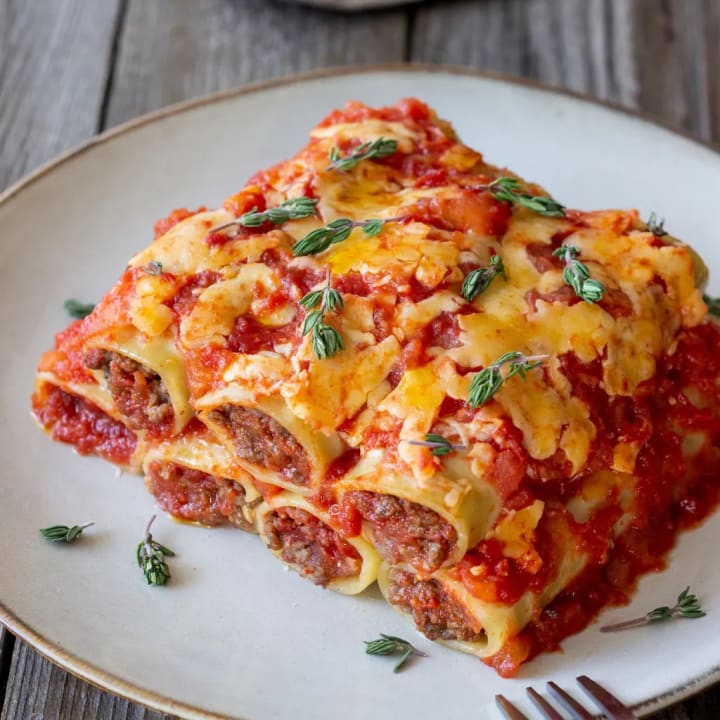
- Arrange cannelloni, seam-side down.
- Cover with more sauce, mozzarella, and Parmesan.
- Bake 30 minutes until bubbly and golden.
The hardest part? Waiting for it to cool enough to eat.
The Heart Behind the Dish
Every step carries memories. Kneading dough, I recall nonna’s strong hands guiding mine. Stirring sauce, I hear her stories—of wartime scarcity, family gatherings, and resilience.
One story stands out. During World War II, food was scarce. Nonna’s mother made pasta without eggs, filling it with wild greens and a whisper of cheese. “Cannelloni di niente,” she called them—cannelloni of nothing. Yet, they nourished body and soul.
When prosperity returned, cannelloni became celebratory. Each bite honored survival and love.
Tips for Perfect Cannelloni
- Don’t rush the sauce: Low and slow brings out sweetness.
- Drain spinach well: Excess water ruins the filling.
- Fresh pasta matters: It melds better with the filling.
- Rest before serving: Flavors marry as it cools.
- Freeze for convenience: Assemble, freeze unbaked, and cook straight from frozen.
A Dish That Travels Through Time
Years later, I made cannelloni for my own children. Flour dusted their noses as they rolled dough. They tasted filling, giggled at sticky fingers, and waited impatiently by the oven.
“Come la nonna?” they asked. Like nonna? Almost. Love made the difference.
Sharing this recipe feels like passing a torch. It’s not just about ingredients but connection—between generations, cultures, and hearts.
Cannelloni Around the World
Interestingly, variations exist globally. In Argentina, Italian immigrants popularized canelones, often stuffed with beef or chicken. In Greece, cannelonia appears with béchamel and cinnamon-spiced meat.
Even modern chefs reinvent the dish. Vegan versions replace ricotta with cashew cream. Gluten-free adaptations use rice pasta. Yet, the heart remains: stuffed pasta, baked with love.
Final Thoughts and Serving Suggestions
Serve cannelloni with a simple green salad and crusty bread. A glass of Chianti completes the experience.
Leftovers? Even better the next day. Reheat gently, letting flavors deepen overnight.
Finally, invite loved ones to the table. Share stories. Laugh. Eat slowly. Because, as nonna taught me, the best meals feed the soul as much as the body.
Cannelloni della nonna: More than pasta—it's heritage, heart, and home.
Now, it’s your turn. Make it. Share it. And, perhaps, start your own Sunday tradition.
Bonus: Cannelloni Variations to Try
- Seafood Cannelloni: Swap spinach for sautéed shrimp and crab mixed with ricotta.
- Vegetarian Delight: Add roasted red peppers, artichokes, and mushrooms.
- Meat Lover’s Dream: Use ground beef or sausage, spiced with fennel and paprika.
- Gluten-Free Option: Use rice-based pasta sheets or zucchini slices.
- Cooking evolves, but the essence remains: love, shared across generations.
Buon appetito!
About the Creator
Alain SUPPINI
I’m Alain — a French critical care anesthesiologist who writes to keep memory alive. Between past and present, medicine and words, I search for what endures.
Keep reading
More stories from Alain SUPPINI and writers in Feast and other communities.
Mastering French Without Losing Your Sanity: A Realistic Guide for Beginners
Learning French can feel like solving a Rubik’s Cube blindfolded. The tricky pronunciation, the never-ending grammar rules, and the surprising exceptions make it seem impossible. But don’t worry—equipping yourself with key expressions and effective strategies can turn frustration into fluency. Let’s simplify French and make learning enjoyable.
By Alain SUPPINIExclusive • about a year ago
Pi Day Deals: Sweet Ways to Celebrate March 14 Every Year
Every year on March 14, something unusual happens across bakeries, pizza shops, and kitchens around the world. Math lovers smile, pie lovers celebrate, and people who never cared about numbers suddenly start searching for pie. That day is Pi Day. The date 3/14 matches the first digits of the famous mathematical constant 3.14, and over time it has grown into a celebration of food, curiosity, and simple joy. One of the biggest reasons people look forward to the day is the tradition of Pi Day deals. Restaurants and bakeries often offer pies, pizzas, and desserts at special prices. But Pi Day is not only about discounts. It is about gathering with friends, sharing food, and enjoying a small moment of fun built around a number that never ends.
By Muqadas khanabout 10 hours ago in Feast
Chipotle Tattoo BOGO: The Story Behind the Burrito Deal
Sometimes a free burrito is more than just a meal. Sometimes it becomes a small cultural moment that people remember for years. The phrase chipotle tattoo bogo began as a strange mix of food, loyalty, humor, and internet culture. At first glance it sounds like a joke. Why would anyone get a tattoo for a burrito? But thousands of people actually did.
By Muqadas khana day ago in Feast



Comments (1)
Nice!!! I can imagine how much better Cannelloni must be when made by a pro like your, Nonna. Loved your story and the tips for making it. Best of luck in the challenge!