
Can you eat mango in sushi and desserts?
Mango Sushi Recipe Ideas

Can You Eat Mango in Sushi and Desserts?
Mango is one of the most versatile and beloved tropical fruits, known for its juicy sweetness and vibrant color. But can you eat mango in sushi and desserts? The answer is a resounding yes! Mango is commonly used in both sushi and a variety of desserts, enhancing flavor, texture, and visual appeal. This article explores the ways mango can be incorporated into sushi and desserts, its benefits, and some popular recipes.
Mango in Sushi
While traditional sushi often features raw fish, rice, and seaweed, modern variations have expanded to include a range of ingredients, including mango. The fruit’s natural sweetness and slight tanginess provide a refreshing contrast to the savory and umami flavors in sushi.
Types of Sushi That Use Mango
Mango Roll Sushi – One of the most popular ways to use mango in sushi is in rolls. Mango slices are often layered on top of or inside sushi rolls, providing a burst of flavor.
Mango and Avocado Sushi – The creamy texture of avocado pairs perfectly with mango’s sweetness, making it a favorite in vegetarian sushi rolls.
Mango and Shrimp Tempura Rolls – The crunch of tempura shrimp combined with the softness of mango creates a delightful texture contrast.
Mango and Salmon Rolls – The buttery richness of salmon complements mango’s bright flavor, making it a favorite in fusion sushi recipes.
Mango Nigiri – Instead of fish, a slice of fresh mango is placed on top of seasoned rice, sometimes drizzled with a light sauce.
Spicy Mango Rolls – Mango pairs well with spicy sauces or jalapeños, creating a balance of heat and sweetness.
How to Make a Mango Sushi Roll
Ingredients:
1 cup sushi rice
1 sheet nori (seaweed)
½ ripe mango, thinly sliced
½ avocado, thinly sliced
4 cooked shrimp or imitation crab
1 tbsp mayonnaise (optional)
Soy sauce, for dipping
Instructions:
Prepare sushi rice according to package instructions.
Place a nori sheet on a bamboo mat and spread an even layer of rice over it.
Arrange mango slices, avocado, and shrimp on top.
Carefully roll the sushi using the bamboo mat, applying gentle pressure.
Slice the roll into bite-sized pieces and serve with soy sauce.
Mango in Desserts
Mango’s natural sweetness and juicy texture make it a staple in many desserts worldwide. Whether fresh, blended, or cooked, mango enhances a wide variety of sweet treats.
Popular Mango-Based Desserts
Mango Sticky Rice – A traditional Thai dessert featuring sweetened coconut rice topped with fresh mango slices.
Mango Sorbet – A refreshing and simple frozen treat made with pureed mango, sugar, and lemon juice.
Mango Cheesecake – A creamy and decadent cheesecake infused with mango puree for a tropical twist.
Mango Pudding – A silky, custard-like dessert made with mango puree, milk, and gelatin.
Mango Ice Cream – A rich and creamy frozen dessert that highlights the fruit’s natural sweetness.
Mango Tart – A buttery tart crust filled with mango custard or topped with fresh mango slices.
Mango Mousse – A light and airy dessert combining mango puree, whipped cream, and gelatin.
Mango Pancakes – Thin crepes filled with fresh mango chunks and whipped cream, popular in Asian cuisine.
How to Make Mango Sticky Rice
Ingredients:
1 cup glutinous rice
1 cup coconut milk
3 tbsp sugar
½ tsp salt
1 ripe mango, sliced
Sesame seeds, for garnish (optional)
Instructions:
Soak the glutinous rice for at least 2 hours, then steam until tender.
In a small saucepan, heat coconut milk, sugar, and salt until dissolved.
Pour the coconut mixture over the cooked rice and let it absorb for 15 minutes.
Serve with fresh mango slices and sprinkle with sesame seeds.
Health Benefits of Mango in Sushi and Desserts
Mango is not only delicious but also packed with nutrients that make it a healthy addition to sushi and desserts.
Rich in Vitamins – Mango is an excellent source of vitamins A and C, which support immune health and skin health.
High in Antioxidants – The fruit contains powerful antioxidants that help fight oxidative stress and inflammation.
Aids Digestion – Mango contains digestive enzymes that aid in breaking down proteins and improving gut health.
Supports Eye Health – Mango is rich in beta-carotene and lutein, essential for maintaining good vision.
Boosts Energy – The natural sugars in mango provide a quick source of energy, making it a great addition to any meal.
Promotes Hydration – With high water content, mango helps keep the body hydrated.
Tips for Using Mango in Sushi and Desserts
Choose Ripe Mangoes – Look for mangoes that yield slightly when pressed, as they will be the sweetest and juiciest.
Use Different Mango Varieties – Some varieties are more fibrous, while others are smoother. Experiment to find your favorite.
Balance Flavors – Since mango is naturally sweet, pair it with creamy, spicy, or tangy elements to create balance.
Enhance Texture – Use mango slices, purees, or chunks to create varied textures in sushi and desserts.
Garnish for Presentation – Adding mint, coconut flakes, or sesame seeds can elevate the visual appeal of your dish.
Conclusion
Mango is a fantastic ingredient that can be used in both sushi and desserts to add sweetness, freshness, and vibrant color. Whether incorporated into sushi rolls or blended into delicious desserts, mango enhances the overall dining experience. With its numerous health benefits, it is an excellent addition to your meals. So the next time you’re preparing sushi or dessert, consider adding mango for a tropical and flavorful touch!
About the Creator
Keep reading
More stories from Halle Bose and writers in Feast and other communities.
Can you eat mango if allergic to latex?
Can You Eat Mango If You Are Allergic to Latex? Mangoes are one of the most popular tropical fruits worldwide, loved for their sweet taste and juicy texture. However, for individuals with a latex allergy, eating mangoes may present a potential risk. This is due to the presence of proteins in mangoes that can cause cross-reactivity with latex. In this article, we will explore the relationship between latex allergy and mango consumption, symptoms of cross-reactivity, and how to determine whether it is safe to eat mangoes if you have a latex allergy.
By Halle Boseabout a year ago in Feast
Widow invests $800,000 to start hawker culture experience centre in honour of late husband
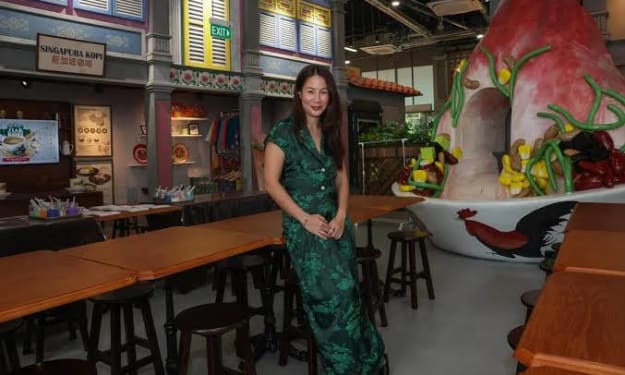
In a touching tribute to love, memory, and cultural heritage, a Singaporean widow has invested nearly $800,000 to establish a hawker culture experience centre dedicated to preserving and celebrating the vibrant food traditions that her late husband cherished throughout his life. The centre, which opened recently in Singapore, aims to provide visitors with an immersive journey into the country’s beloved hawker culture while honouring the legacy of a man who spent decades supporting local food vendors. The project was initiated by Lim Mei Hua, whose husband, Tan Wei Chong, passed away three years ago after a long illness. Tan was widely known among friends and family as a passionate supporter of traditional hawker stalls and frequently spent his weekends exploring different food centres across Singapore. According to Lim, the idea of creating a space dedicated to hawker heritage had long been one of her husband’s dreams. “He always believed that hawker culture was the heart of Singapore,” Lim said during the centre’s opening ceremony. “After he passed away, I wanted to do something meaningful that would keep his passion alive and allow future generations to understand why these traditions matter.” Singapore’s hawker culture is a cornerstone of the nation’s identity. The bustling open-air food centres, filled with vendors serving affordable and diverse dishes, reflect the multicultural roots of the country. In recognition of its cultural importance, UNESCO added Singapore’s hawker culture to its Representative List of the Intangible Cultural Heritage of Humanity in 2020. Lim’s experience centre is designed to showcase this heritage through interactive exhibits, live cooking demonstrations, and storytelling sessions led by veteran hawkers. Visitors can learn about the origins of iconic dishes such as Hainanese chicken rice, Laksa, and Char kway teow, while also exploring the personal journeys of the hawkers who prepare them. The centre includes a small exhibition gallery featuring photographs, kitchen tools, and handwritten recipes collected from hawker families across the city. Many of these items date back decades, offering a glimpse into how culinary traditions have been passed down through generations. One section of the centre recreates a traditional hawker stall environment, allowing visitors to experience what it feels like to work behind the counter during a busy lunch rush. Young participants can try their hand at simple cooking techniques while learning about the discipline and dedication required to master hawker cuisine. Local hawkers have warmly welcomed the initiative. Many worry that younger generations may be less interested in taking over family stalls, which often involve long hours and physically demanding work. By highlighting the cultural significance of these businesses, Lim hopes the centre will inspire renewed appreciation among the public. “Hawker food is not just about eating,” said veteran vendor Ong Kee, who participated in one of the centre’s demonstration sessions. “It’s about history, family, and community. Places like this help remind people why our traditions should continue.” Beyond cultural preservation, the experience centre also aims to support hawkers economically. A portion of ticket sales will be directed toward training programs for aspiring food vendors, helping them learn both traditional recipes and modern business skills. Lim believes this approach can help sustain the industry while adapting to changing times. Tourism officials in Singapore have also expressed optimism about the centre’s potential to attract international visitors interested in culinary experiences. Food tourism has become an increasingly important part of the country’s travel industry, with visitors eager to explore authentic local cuisine. For Lim, however, the centre’s true purpose goes far beyond tourism or business success. Every corner of the space reflects memories of her husband—his favorite dishes, the stalls he frequently visited, and the stories he loved to share. “Whenever I see people enjoying the exhibits or learning about hawker culture, I feel like his spirit is still here,” she said quietly. “This place is not just about the past. It’s about keeping something precious alive.” Through her remarkable gesture, Lim has transformed personal grief into a lasting tribute that celebrates love, heritage, and the enduring power of food to bring communities together. Her $800,000 investment ensures that the spirit of Singapore’s hawker culture—and the memory of the man who cherished it—will continue inspiring generations to come.
By Fiaz Ahmed 7 days ago in Feast
Chipotle Tattoo BOGO: The Story Behind the Burrito Deal
Sometimes a free burrito is more than just a meal. Sometimes it becomes a small cultural moment that people remember for years. The phrase chipotle tattoo bogo began as a strange mix of food, loyalty, humor, and internet culture. At first glance it sounds like a joke. Why would anyone get a tattoo for a burrito? But thousands of people actually did.
By Muqadas khanabout 16 hours ago in Feast
Thief In The Night
To the thief in the night that took and replicated what once was mine: Honestly, I feel kind of bad for you. It’s funny, because we hardly know each other. I only know of you through the magazines you’ve written and the broadcasts you have televised in the past — as well as through the public mentions of you from your show business connections there.
By Snarky Lisa6 days ago in Humans



Comments
There are no comments for this story
Be the first to respond and start the conversation.