
Can you eat mango if allergic to latex?
Foods that are not healthy for latex allergies

Can You Eat Mango If You Are Allergic to Latex?
Mangoes are one of the most popular tropical fruits worldwide, loved for their sweet taste and juicy texture. However, for individuals with a latex allergy, eating mangoes may present a potential risk. This is due to the presence of proteins in mangoes that can cause cross-reactivity with latex. In this article, we will explore the relationship between latex allergy and mango consumption, symptoms of cross-reactivity, and how to determine whether it is safe to eat mangoes if you have a latex allergy.
Can You Eat Mango If You Are Allergic to Latex? - Understanding Latex Allergy
Latex allergy is an immune system reaction to proteins found in natural rubber latex, which is derived from the sap of the rubber tree (Hevea brasiliensis). It commonly affects healthcare workers, people who frequently use latex gloves, and those with multiple surgical procedures. The allergic reaction occurs when the immune system mistakenly identifies latex proteins as harmful and produces antibodies against them, triggering symptoms ranging from mild irritation to severe anaphylaxis.
There are three types of latex allergies:
Irritant Contact Dermatitis: A non-allergic reaction causing dry, itchy, and irritated skin.
Allergic Contact Dermatitis: A delayed hypersensitivity reaction resulting in redness, itching, and blistering.
Immediate Hypersensitivity (Type I Latex Allergy): A severe allergic reaction that can cause hives, breathing difficulties, and anaphylaxis.
What Is Latex-Fruit Syndrome?
Latex-fruit syndrome occurs when the immune system reacts to proteins in certain fruits that resemble latex proteins. This phenomenon is called cross-reactivity. Fruits that are commonly associated with latex-fruit syndrome include:
Bananas
Avocados
Chestnuts
Kiwis
Papayas
Mangoes
This means that if you have a latex allergy, you may also experience allergic reactions after consuming these fruits.
Why Mangoes Can Be a Problem for Latex-Allergic Individuals
Mangoes contain proteins that are structurally similar to those in latex. This can lead to cross-reactivity, where the immune system confuses mango proteins with latex proteins and triggers an allergic response. The primary protein responsible for this is Hev b 6.02, which is found in both mangoes and latex.
Additionally, mango sap and skin contain urushiol, a compound also found in poison ivy and poison oak, which can cause contact dermatitis in some individuals.
Can You Eat Mango If You Are Allergic to Latex? - Symptoms of Mango Allergy in Latex-Allergic Individuals
If you have a latex allergy and consume mango, you may experience symptoms that range from mild to severe, including:
Mild symptoms: Itchy mouth or throat, tingling lips, or mild swelling
Moderate symptoms: Hives, rash, stomach pain, nausea, or vomiting
Severe symptoms: Breathing difficulties, wheezing, swelling of the face or throat, anaphylaxis (a life-threatening reaction requiring immediate medical attention)
How to Determine If You Can Eat Mango Safely
If you have a latex allergy but love mangoes, there are a few steps you can take to assess whether they are safe for you:
1. Consult an Allergist
An allergist can conduct specific tests, such as skin prick tests or blood tests, to determine if you are allergic to mango proteins. If you have a history of severe latex allergy, you should avoid mangoes altogether until a doctor advises otherwise.
2. Try a Patch Test
If you suspect mild sensitivity, you can try touching a small amount of mango to your skin (such as the inside of your wrist) and wait 24 hours to see if a reaction occurs.
3. Avoid Mango Skin and Sap
For some individuals, the allergic reaction is primarily triggered by contact with mango skin and sap, rather than the flesh itself. In such cases, peeling the mango and thoroughly washing it may reduce the risk of a reaction.
4. Start with a Small Amount
If you have mild latex sensitivity and wish to test your reaction to mango, try consuming a small piece under medical supervision. Monitor for any adverse symptoms.
5. Opt for Processed Mango Products
Some people with latex-fruit syndrome can tolerate processed mango products, such as dried mangoes or cooked mango in jams and sauces, as heat processing can alter allergenic proteins.
Can You Eat Mango If You Are Allergic to Latex? - Alternatives to Mango for Latex-Allergic Individuals
If you are allergic to mango and need alternatives, consider other non-cross-reactive fruits, such as:
Apples
Berries
Grapes
Oranges
Pineapples
These fruits do not share the same proteins with latex and are generally safe for consumption.
What to Do If You Experience an Allergic Reaction
If you accidentally consume mango and experience a reaction, follow these steps:
For mild reactions: Take an antihistamine to reduce symptoms like itching and swelling.
For moderate reactions: If symptoms persist, seek medical advice immediately.
For severe reactions (anaphylaxis): Use an epinephrine auto-injector (EpiPen) if prescribed and seek emergency medical assistance.
Can You Eat Mango If You Are Allergic to Latex? - Conclusion
While mangoes are delicious and nutritious, they pose a potential risk to individuals with latex allergies due to cross-reactivity. If you have a latex allergy, consult with an allergist before consuming mangoes. By taking precautions such as avoiding mango skin, starting with small amounts, or opting for processed mango products, you may be able to enjoy this tropical fruit safely. However, if you experience severe allergic reactions, it is best to avoid mangoes and choose alternative fruits that do not pose a risk.
If you suspect a mango allergy or have a known latex allergy, always prioritize your safety and seek medical guidance before introducing new foods into your diet.
About the Creator
Keep reading
More stories from Halle Bose and writers in Feast and other communities.
Homemade Fig Newtons Cookies Recipe - Nutrition and Ingredients
Fig Newtons Cookies Recipe From Fresh Figs - Nutrition and Ingredients Figs have been a staple in human diets for thousands of years. Known for their rich flavor and numerous health benefits, figs have inspired many recipes across cultures. Among the most popular fig-based treats is the iconic Fig Newton, a sweet, soft cookie that combines figs with a tender, cake-like dough. This humble snack has evolved over time, becoming one of America's most beloved cookies. To understand its significance, we must explore the history of figs, the origins of the Fig Newton, and the many benefits of this iconic fig-filled treat.
By Halle Boseabout a year ago in Feast
Widow invests $800,000 to start hawker culture experience centre in honour of late husband
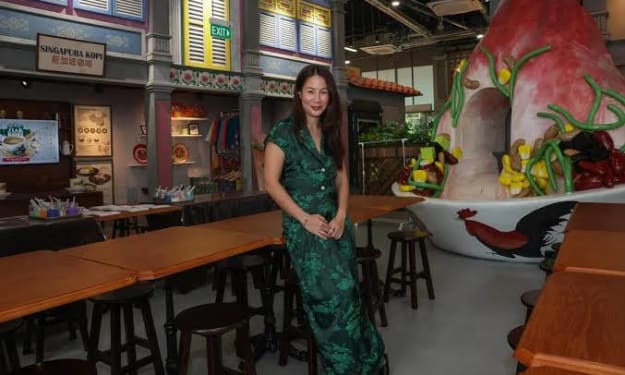
In a touching tribute to love, memory, and cultural heritage, a Singaporean widow has invested nearly $800,000 to establish a hawker culture experience centre dedicated to preserving and celebrating the vibrant food traditions that her late husband cherished throughout his life. The centre, which opened recently in Singapore, aims to provide visitors with an immersive journey into the country’s beloved hawker culture while honouring the legacy of a man who spent decades supporting local food vendors. The project was initiated by Lim Mei Hua, whose husband, Tan Wei Chong, passed away three years ago after a long illness. Tan was widely known among friends and family as a passionate supporter of traditional hawker stalls and frequently spent his weekends exploring different food centres across Singapore. According to Lim, the idea of creating a space dedicated to hawker heritage had long been one of her husband’s dreams. “He always believed that hawker culture was the heart of Singapore,” Lim said during the centre’s opening ceremony. “After he passed away, I wanted to do something meaningful that would keep his passion alive and allow future generations to understand why these traditions matter.” Singapore’s hawker culture is a cornerstone of the nation’s identity. The bustling open-air food centres, filled with vendors serving affordable and diverse dishes, reflect the multicultural roots of the country. In recognition of its cultural importance, UNESCO added Singapore’s hawker culture to its Representative List of the Intangible Cultural Heritage of Humanity in 2020. Lim’s experience centre is designed to showcase this heritage through interactive exhibits, live cooking demonstrations, and storytelling sessions led by veteran hawkers. Visitors can learn about the origins of iconic dishes such as Hainanese chicken rice, Laksa, and Char kway teow, while also exploring the personal journeys of the hawkers who prepare them. The centre includes a small exhibition gallery featuring photographs, kitchen tools, and handwritten recipes collected from hawker families across the city. Many of these items date back decades, offering a glimpse into how culinary traditions have been passed down through generations. One section of the centre recreates a traditional hawker stall environment, allowing visitors to experience what it feels like to work behind the counter during a busy lunch rush. Young participants can try their hand at simple cooking techniques while learning about the discipline and dedication required to master hawker cuisine. Local hawkers have warmly welcomed the initiative. Many worry that younger generations may be less interested in taking over family stalls, which often involve long hours and physically demanding work. By highlighting the cultural significance of these businesses, Lim hopes the centre will inspire renewed appreciation among the public. “Hawker food is not just about eating,” said veteran vendor Ong Kee, who participated in one of the centre’s demonstration sessions. “It’s about history, family, and community. Places like this help remind people why our traditions should continue.” Beyond cultural preservation, the experience centre also aims to support hawkers economically. A portion of ticket sales will be directed toward training programs for aspiring food vendors, helping them learn both traditional recipes and modern business skills. Lim believes this approach can help sustain the industry while adapting to changing times. Tourism officials in Singapore have also expressed optimism about the centre’s potential to attract international visitors interested in culinary experiences. Food tourism has become an increasingly important part of the country’s travel industry, with visitors eager to explore authentic local cuisine. For Lim, however, the centre’s true purpose goes far beyond tourism or business success. Every corner of the space reflects memories of her husband—his favorite dishes, the stalls he frequently visited, and the stories he loved to share. “Whenever I see people enjoying the exhibits or learning about hawker culture, I feel like his spirit is still here,” she said quietly. “This place is not just about the past. It’s about keeping something precious alive.” Through her remarkable gesture, Lim has transformed personal grief into a lasting tribute that celebrates love, heritage, and the enduring power of food to bring communities together. Her $800,000 investment ensures that the spirit of Singapore’s hawker culture—and the memory of the man who cherished it—will continue inspiring generations to come.
By Fiaz Ahmed 5 days ago in Feast
Australia Fish and Seafood Market 2026: Sustainable Consumption, Aquaculture Growth & Premium Seafood Demand
Australia Fish and Seafood Market Australia’s fish and seafood market is expanding steadily as consumers increasingly prioritize high-quality protein sources and sustainable food options. Fish and seafood products—including salmon, tuna, shrimp, shellfish and other marine species—play a vital role in the Australian diet due to their nutritional value and culinary versatility. Growing awareness of seafood’s health benefits, particularly its omega-3 fatty acids, vitamins and minerals, is driving consumption across households, restaurants and foodservice channels.
By Amyra Singh7 days ago in Feast



Comments
There are no comments for this story
Be the first to respond and start the conversation.