
Can yogurt probiotics "live to the intestines"?
Yogurt Probiotics


There are a dazzling array of yogurt with various flavors in the supermarket. Many yogurt products advertise that the probiotics of their own products can "live to the intestines". Can lactic acid bacteria really reach the intestines alive? How to choose healthy yogurt?
Can lactic acid bacteria live to the intestines? Minimal!
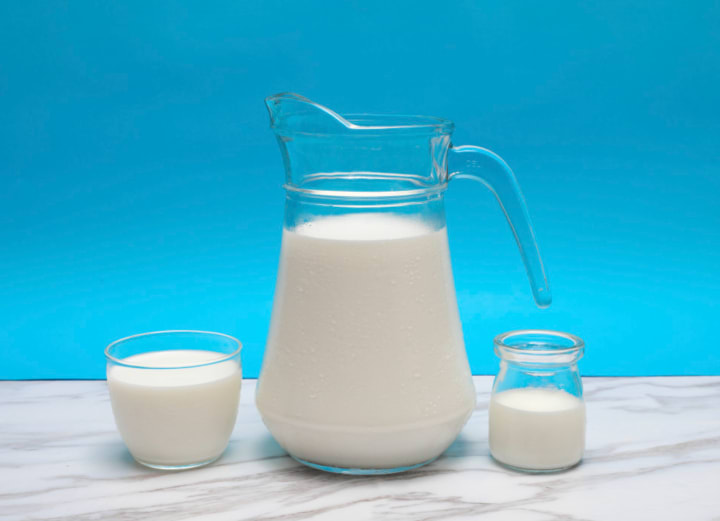
Many advertisements claim that their own yogurt is rich in active lactic acid bacteria, and lactic acid bacteria can live to the intestines. In fact, the possibility of this happening is very slim. Most of the active lactic acid bacteria added to the production of yogurt are "Lactobacillus bulgaricus" (L bacteria) and "Streptococcus thermophilus" (S bacteria). They are not colonized by the human digestive tract. After entering the human digestive tract, most of them will Killed by gastric acid can only play a health role in inhibiting harmful microorganisms in the process of passing through the gastrointestinal tract. "But it is undeniable that drinking yogurt is better for intestinal health than not drinking it."
There are a few yogurts with Lactobacillus acidophilus ("A bacteria") or Bifidobacterium ("B bacteria") added. These two types of bacteria can survive in the human large intestine, but most of the bacteria A and B cannot escape the fate of "heroic sacrifice" when they pass through the stomach. Only a few lucky bacteria can be protected by hundreds of millions of companions and finally arrive. In the large intestine, and inhabit and multiply.

Since most yogurt does not indicate how many living bacteria A and B are alive, there is no need to expect too much if lucky bacteria can actually enter the body, as long as you believe that it is better than nothing. It is worth noting that within two hours of using antibiotics, it is not advisable to take yogurt or drugs containing active lactic acid bacteria.
Yogurt drink = yogurt? Not necessarily!
Is yogurt drink yogurt? Not necessarily! The nutrients, content and production process of the two are different.
Yogurt is made from milk fermented by lactic acid bacteria, which is actually fermented milk. No water is added during the yogurt making process. Only milk and lactic acid bacteria starter, plus sugar and thickener. In other words, the protein and calcium in milk are brought into the yogurt intact. Therefore, it is a very reliable thing for people who cannot drink milk to use yogurt to supplement calcium and protein, and because of the existence of lactic acid, it is easier to be used by the body.
However, yogurt beverages, lactic acid beverages, etc., are beverages added with auxiliary materials such as milk, water, fruit juice, and sugar. In terms of protein content, the nutrition of yogurt drink is only 1/3 of that of yogurt due to the addition of water and fruit juice to the yogurt drink. According to the regulations of the dairy industry, 100 grams of yogurt requires a protein content of ≥2.9 grams, while the protein content of most yogurt drinks is only about 1 gram.

In the content of active lactic acid bacteria, yogurt drinks and yogurt are also significantly different. Most yogurt drinks do not contain active lactic acid bacteria, but lactic acid is added. Although a small number of yogurt drinks are marked with active lactic acid bacteria, the content is very small.
In terms of preservation requirements, the two are different. Lactic acid bacteria generally remain active at about 2-8 degrees Celsius, so yogurt containing lactic acid bacteria should be stored in a low temperature environment, and the shelf life is usually within 1 month. There are few or no lactic acid bacteria in yogurt drinks, and they can be stored at room temperature, and the shelf life will be longer than that of yogurt.

Tips:
How to choose a healthy yogurt
When purchasing, look at the protein, carbohydrate, and sugar content in the ingredient list. Choose products with high protein content, preferably protein ≥ 2.9 grams. The higher the carbohydrate content in yogurt, the more added sugar it contains. Pure milk contains carbohydrates between about 4.5-5.0 g/100ml. If this value is exceeded, sugar is added. For example, if a certain yogurt contains carbohydrates (or carbohydrates + sugar) 15g/100ml, it can be understood as 100ml with 10g added. For sugar, if there are yogurts containing 12g, 15g, and 17g respectively, choose 12g.
Regardless of the type of product, you should read the label carefully when you buy it. It is recommended to give preference to varieties with a lower carbohydrate (sugar) content under the premise that the protein content is high enough.
About the Creator
Keep reading
More stories from writers in Feast and other communities.
My Tous les Jours Trip
As someone who lives in a rural area, I don't get the chance to visit fancy restaurants or bakeries that often. So, when a friend told me about a French-Asian bakery that's less than an hour away, I knew I had to check it out and grab some pictures for social media. Tous les Jours ended up providing an immersive experience that went above and beyond my expectations--although I did leave with a few reservations.
By Kaitlin Shanks23 days ago in Feast
Gluten-Free Food Market Outlook: Growth, Innovation, and the Future of Clean Eating
Introduction: A Market That Has Moved Beyond Niche What was once a narrow category aimed at people with celiac disease has rapidly evolved into one of the most dynamic segments of the global food industry. Gluten-free foods are no longer limited to medical shelves or specialty stores—they now occupy prominent space in supermarkets, cafés, online platforms, and even fine dining menus.
By Marthan Sir6 days ago in Feast




Comments
There are no comments for this story
Be the first to respond and start the conversation.