
Banned and Controversial Foods Around the World
Exploring Culinary Taboos

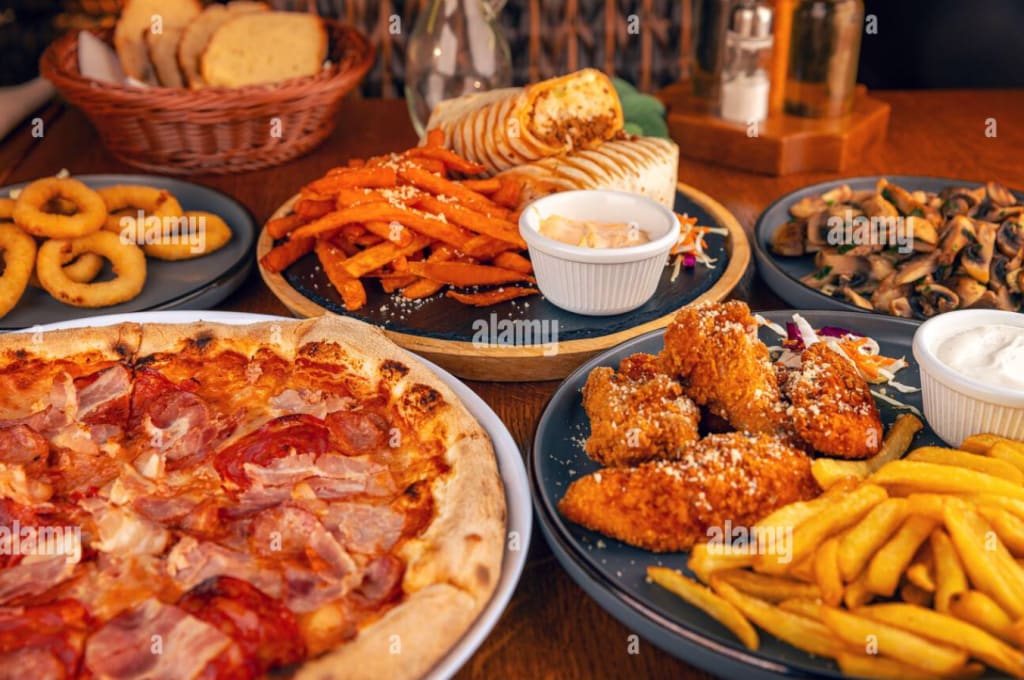
Food is not merely sustenance; it is deeply intertwined with culture, tradition, and personal identity. However, what is considered a delicacy in one part of the world may be deemed taboo or even banned elsewhere. Across continents and cultures, certain foods provoke controversy due to ethical, environmental, or health concerns. Here, we delve into some of the most contentious foods that have sparked debates and even regulatory measures globally.
1. Fugu (Pufferfish)
Fugu, or pufferfish, is a delicacy in Japan known for its subtle flavor and delicate texture. However, it contains deadly toxins, particularly in its liver, kidneys, and skin. Chefs preparing fugu must undergo rigorous training and obtain a special license to ensure they remove these toxic parts properly. Despite these precautions, fugu consumption occasionally leads to poisoning, and fatalities have occurred when prepared incorrectly.
Due to the risks associated with fugu consumption, some countries have banned its importation and sale altogether. In others, strict regulations govern its preparation and serving to minimize health risks.
2. Casu Marzu
Casu marzu is a traditional Sardinian cheese that is intentionally infested with live insect larvae, specifically the larvae of the cheese fly. The larvae digest the cheese fats, leading to fermentation and imparting a distinct flavor. While considered a delicacy by some, casu marzu is controversial due to health concerns. The larvae can survive in the human intestine, potentially causing intestinal discomfort or infections.
The European Union has banned the sale of casu marzu due to health regulations, although its production continues illegally in some parts of Sardinia. The cheese remains a symbol of cultural identity for those who continue to produce and consume it.
3. Shark Fin Soup
Shark fin soup is a traditional Chinese delicacy prized for its perceived health benefits and symbolic status as a status symbol. However, the practice of shark finning, where sharks are caught, their fins sliced off, and the rest of the live animal discarded back into the ocean, has led to significant declines in shark populations globally.
In response to conservation concerns, many countries and territories have banned the practice of shark finning and the sale of shark fins. Awareness campaigns highlighting the impact on shark populations and marine ecosystems have also led to a decline in demand for shark fin soup.
4. Foie Gras
Foie gras is a luxury food product made from the liver of ducks or geese that have been force-fed to fatten their livers. The process, known as gavage, involves inserting a tube into the bird's esophagus to deliver a high-calorie mash directly into their stomachs. Animal rights activists argue that this process is cruel and causes unnecessary suffering to the birds.
Several countries and regions have banned or restricted the production of foie gras, citing concerns over animal welfare. In some cases, these bans have been challenged by producers and consumers who argue for cultural and culinary traditions.
5. Horse Meat
The consumption of horse meat is a divisive issue around the world. While it is a delicacy in some cultures and has a long history in certain European countries, including France and Italy, others view horses as companion animals and oppose their consumption on ethical grounds.
In the European Union, strict regulations govern the slaughter and sale of horse meat for human consumption, ensuring that horses destined for food are raised, transported, and slaughtered under specific conditions. Despite these regulations, controversies surrounding the ethics of consuming horse meat persist.
Conclusion
The debate over banned and controversial foods underscores the complexities of cultural diversity, ethical considerations, and environmental sustainability in the global food system. While some foods are banned outright due to health risks or environmental impact, others provoke heated discussions about animal welfare and cultural traditions.
As awareness of these issues grows, so too does the pressure on governments, producers, and consumers to make informed choices that balance culinary preferences with ethical and environmental responsibilities. Ultimately, navigating these complexities requires ongoing dialogue and collaboration to ensure a food system that respects both cultural diversity and the well-being of our planet's ecosystems.
About the Creator
Malikah
Hello, I'm Malikah, here to provide content on different topics. Join me in exploring different aspects and discover valuable insights that inspire and inform.
Widow invests $800,000 to start hawker culture experience centre in honour of late husband
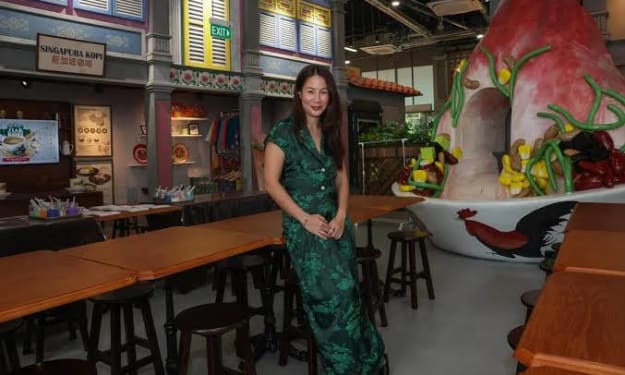
In a touching tribute to love, memory, and cultural heritage, a Singaporean widow has invested nearly $800,000 to establish a hawker culture experience centre dedicated to preserving and celebrating the vibrant food traditions that her late husband cherished throughout his life. The centre, which opened recently in Singapore, aims to provide visitors with an immersive journey into the country’s beloved hawker culture while honouring the legacy of a man who spent decades supporting local food vendors. The project was initiated by Lim Mei Hua, whose husband, Tan Wei Chong, passed away three years ago after a long illness. Tan was widely known among friends and family as a passionate supporter of traditional hawker stalls and frequently spent his weekends exploring different food centres across Singapore. According to Lim, the idea of creating a space dedicated to hawker heritage had long been one of her husband’s dreams. “He always believed that hawker culture was the heart of Singapore,” Lim said during the centre’s opening ceremony. “After he passed away, I wanted to do something meaningful that would keep his passion alive and allow future generations to understand why these traditions matter.” Singapore’s hawker culture is a cornerstone of the nation’s identity. The bustling open-air food centres, filled with vendors serving affordable and diverse dishes, reflect the multicultural roots of the country. In recognition of its cultural importance, UNESCO added Singapore’s hawker culture to its Representative List of the Intangible Cultural Heritage of Humanity in 2020. Lim’s experience centre is designed to showcase this heritage through interactive exhibits, live cooking demonstrations, and storytelling sessions led by veteran hawkers. Visitors can learn about the origins of iconic dishes such as Hainanese chicken rice, Laksa, and Char kway teow, while also exploring the personal journeys of the hawkers who prepare them. The centre includes a small exhibition gallery featuring photographs, kitchen tools, and handwritten recipes collected from hawker families across the city. Many of these items date back decades, offering a glimpse into how culinary traditions have been passed down through generations. One section of the centre recreates a traditional hawker stall environment, allowing visitors to experience what it feels like to work behind the counter during a busy lunch rush. Young participants can try their hand at simple cooking techniques while learning about the discipline and dedication required to master hawker cuisine. Local hawkers have warmly welcomed the initiative. Many worry that younger generations may be less interested in taking over family stalls, which often involve long hours and physically demanding work. By highlighting the cultural significance of these businesses, Lim hopes the centre will inspire renewed appreciation among the public. “Hawker food is not just about eating,” said veteran vendor Ong Kee, who participated in one of the centre’s demonstration sessions. “It’s about history, family, and community. Places like this help remind people why our traditions should continue.” Beyond cultural preservation, the experience centre also aims to support hawkers economically. A portion of ticket sales will be directed toward training programs for aspiring food vendors, helping them learn both traditional recipes and modern business skills. Lim believes this approach can help sustain the industry while adapting to changing times. Tourism officials in Singapore have also expressed optimism about the centre’s potential to attract international visitors interested in culinary experiences. Food tourism has become an increasingly important part of the country’s travel industry, with visitors eager to explore authentic local cuisine. For Lim, however, the centre’s true purpose goes far beyond tourism or business success. Every corner of the space reflects memories of her husband—his favorite dishes, the stalls he frequently visited, and the stories he loved to share. “Whenever I see people enjoying the exhibits or learning about hawker culture, I feel like his spirit is still here,” she said quietly. “This place is not just about the past. It’s about keeping something precious alive.” Through her remarkable gesture, Lim has transformed personal grief into a lasting tribute that celebrates love, heritage, and the enduring power of food to bring communities together. Her $800,000 investment ensures that the spirit of Singapore’s hawker culture—and the memory of the man who cherished it—will continue inspiring generations to come.
By Fiaz Ahmed 5 days ago in Feast
Australia Fish and Seafood Market 2026: Sustainable Consumption, Aquaculture Growth & Premium Seafood Demand
Australia Fish and Seafood Market Australia’s fish and seafood market is expanding steadily as consumers increasingly prioritize high-quality protein sources and sustainable food options. Fish and seafood products—including salmon, tuna, shrimp, shellfish and other marine species—play a vital role in the Australian diet due to their nutritional value and culinary versatility. Growing awareness of seafood’s health benefits, particularly its omega-3 fatty acids, vitamins and minerals, is driving consumption across households, restaurants and foodservice channels.
By Amyra Singh7 days ago in Feast



Comments
There are no comments for this story
Be the first to respond and start the conversation.