
The Rarest Animals in the World
A Look at Nature's Most Precious Treasures

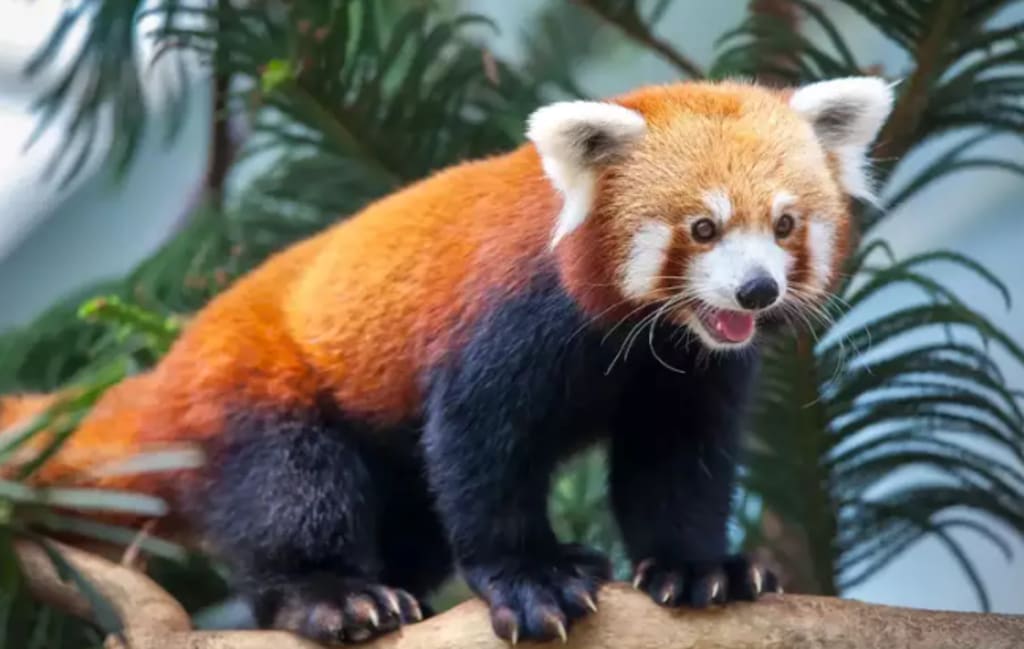
The Earth is home to an astonishing array of life forms, each species playing a unique role in the delicate balance of ecosystems worldwide. However, some species are so rare that encountering them in the wild is a once-in-a-lifetime opportunity. These animals face threats ranging from habitat destruction to poaching and climate change, making their conservation a critical global priority. Here, we delve into some of the rarest animals on the planet, highlighting their uniqueness and the challenges they face.
#### 1. **Amur Leopard**
The Amur leopard (Panthera pardus orientalis) is one of the most critically endangered big cats in the world. Native to the temperate forests of Russia and China, this majestic animal has a striking coat of pale cream and rosette-shaped spots. With fewer than 100 individuals left in the wild, the primary threats to the Amur leopard include habitat loss due to logging and agriculture, illegal hunting for their beautiful fur, and a dwindling prey base.
Efforts to conserve the Amur leopard include establishing protected areas and captive breeding programs aimed at boosting their population. Despite these efforts, the species remains on the brink of extinction, highlighting the urgent need for continued conservation action.
#### 2. **Vaquita**
The vaquita (Phocoena sinus) is a small porpoise species found only in the northern part of the Gulf of California, Mexico. Often referred to as the world's rarest marine mammal, the vaquita's population has plummeted to less than 10 individuals due to bycatch in illegal gillnets set for another endangered species, the totoaba fish.
Conservationists are racing against time to save the vaquita, with efforts focused on enforcing fishing bans, removing illegal nets from their habitat, and exploring alternative fishing methods that do not harm marine mammals. Despite these efforts, the future of the vaquita remains uncertain.
#### 3. **Javan Rhino**
The Javan rhinoceros (Rhinoceros sondaicus) is one of the rarest large mammals on Earth, with only around 70 individuals surviving in the wild. Found in Indonesia's Ujung Kulon National Park and possibly in a small population in Vietnam, the Javan rhino faces threats such as habitat loss, poaching for their horns, and the risk of disease outbreak in their small, isolated population.
Conservation efforts include habitat protection and intensive monitoring to protect these last remaining individuals. There have been discussions about possibly moving some rhinos to a new, safer habitat to ensure their long-term survival.
#### 4. **Northern Hairy-Nosed Wombat**
The northern hairy-nosed wombat (Lasiorhinus krefftii) is one of the world's rarest marsupials, with fewer than 300 individuals remaining in a small area of Queensland, Australia. These wombats are distinguished by their stocky build, short legs, and distinctive hairy noses.
Habitat loss due to agriculture and predation by introduced species like wild dogs are major threats to the northern hairy-nosed wombat. Conservation efforts include fencing off their habitat to protect them from predators, monitoring their population closely, and researching potential reintroduction sites to establish new populations.
#### 5. **Madagascar Pochard**
The Madagascar pochard (Aythya innotata) is a species of diving duck endemic to Madagascar and was thought to be extinct for 15 years until a small population was rediscovered in 2006. With only around 25 individuals left in the wild, this duck faces threats such as habitat loss due to agriculture and the introduction of non-native fish species that compete for resources.
Conservation efforts include captive breeding programs to bolster the population, habitat restoration, and community engagement to reduce human impact on their habitat. The goal is to establish a self-sustaining population that can thrive in the wild once again.
### Conclusion
The plight of the world's rarest animals serves as a poignant reminder of the impact of human activities on biodiversity. While these species face formidable challenges, dedicated conservation efforts offer hope for their survival. Protecting these rare animals not only preserves their intrinsic value but also safeguards the ecosystems they inhabit, benefiting countless other species, including humans.
As global awareness of conservation issues grows, there is hope that concerted efforts will ensure a future where these rare animals can once again thrive in the wild. Each species represents a unique thread in the intricate tapestry of life on Earth, underscoring the importance of protecting and cherishing our planet's most precious treasures.
About the Creator
Malikah
Hello, I'm Malikah, here to provide content on different topics. Join me in exploring different aspects and discover valuable insights that inspire and inform.
The Day the Stars Went Silent
It began without darkness. The stars still shone. On a clear Thursday night, children in deserts and cities pointed upward at familiar constellations. Satellites orbited peacefully. Aircraft crossed continents. The sky looked exactly as it had the night before.
By Abubakar2208 days ago in Earth




Comments
There are no comments for this story
Be the first to respond and start the conversation.