
Asia Pacific Milk Powder Market Size & Forecast 2025–2033
Rising Infant Nutrition, E-Commerce Boom & Long Shelf-Life Benefits Set to Power the Next Big Dairy Wave


The Asia Pacific milk powder market is on track for impressive growth, projected to reach US$ 18.25 billion by 2033, up from US$ 11.54 billion in 2024, expanding at a CAGR of 5.22% from 2025 to 2033, according to Renub Research.
The region is witnessing a structural shift in dairy consumption, fuelled by rapid urbanization, growing infant population, expanding retail ecosystems, rising disposable incomes, and preference for long-shelf-life nutritional products. Milk powder, once merely a pantry staple, has evolved into a nutrition powerhouse for infants, adults, bakery manufacturers, snack brands, and the health-conscious consumer.
Why Milk Powder Is Enjoying a Massive Resurgence in Asia Pacific
Milk powder holds a unique advantage in a region where refrigeration infrastructure is still expanding across many rural areas. Unlike liquid milk, powdered milk doesn’t require a cold chain, lasts longer, and maintains most nutrients — which makes it cost-efficient for manufacturers, retailers, and end consumers alike.
“Milk powder is not just a dairy substitute today; it’s a strategic nutrition product shaping infant diets, food manufacturing, and future-ready dairy consumption.”
Let’s break down the key reasons driving the market in a Hinglish style that truly connects with the region:
1. Convenience = King
Fresh milk has limited shelf life. Lekin powdered milk months tak chal jaata hai without spoiling. For countries like India, Indonesia, Vietnam, and the Philippines, jaha electricity reliability aur refrigeration facilities uneven ho sakti hain, milk powder is a practical, safe, and economical choice.
2. Baby Boom + Nutrition Awareness
Asia holds some of the world’s largest child populations. China, India, and Southeast Asia have millions of newborns each year. Powdered formula isn’t just a supplement anymore — it’s becoming the primary source of infant nutrition for working parents and urban families.
To put things into perspective:
China recorded a birth rate of 6.77 per 1,000 in 2024, showing a 0.38 increase vs last year.
Governments across APAC are pushing child nutrition programs, further boosting demand for fortified and premium milk powder.
3. E-Commerce + Modern Retail = Sales Explosion
The growth of online grocery, quick commerce, and supermarket expansion is reshaping dairy purchase behavior.
Consumers now enjoy:
✅ Easy price comparison
✅ Subscription-based monthly deliveries
✅ Discount bundles
✅ Wider access to international brands
Especially post-pandemic, milk powder online sales have skyrocketed across platforms like Tmall (China), BigBasket (India), Shopee, Lazada, and Amazon.
4. Bakery, Confectionery, and FMCG Dependence
Milk powder is not just for home consumption. It’s a core raw material in:
Infant formula
Biscuits & bakery products
Ice cream, chocolates & candies
Creamers for tea & coffee
Protein shakes & nutrition supplements
As Asia Pacific’s food processing sector expands, milk powder demand grows with it.
Challenges Holding the Industry Back
Even in a high-growth market, not everything is smooth sailing.
❗ 1. Raw Material Price Volatility
Milk pricing fluctuates due to:
Climate conditions affecting dairy farms
Cattle feed inflation
Logistics & storage expenses
Disease outbreaks impacting cattle production
This makes pricing unpredictable for manufacturers, affecting margins and retail pricing stability.
❗ 2. Fierce Competition & Thin Margins
The market is crowded with:
Global giants (Nestlé, Fonterra, FrieslandCampina)
Regional champions (Amul, Mengniu, Ausnutria)
Local budget-focused brands
Price wars are common, making it tough for companies to retain loyalty without:
Heavy marketing
Product innovation
Functional nutrition offerings
Premium positioning
Country Spotlight: The Power Players in APAC
🇨🇳 China — The Innovation and Health-Led Market
China leads the regional milk powder demand with a strong preference for premium, fortified, and immune-boosting dairy solutions.
A standout development:
In December 2022, Junlebao launched “Le Gai” milk powder targeted at middle-aged and older adults, claiming double the calcium (1200 mg per 100 g) compared to regular milk powder.
This shows a major trend:
➡ Milk powder is no longer just for babies — adult nutrition & healthy aging is the next frontier.
🇮🇳 India — Scale, Demand & Dairy Infrastructure Growth
India’s dairy consumption is surging in both urban and rural regions thanks to rising awareness and lifestyle shifts.
A landmark investment:
In November 2021, Amul invested INR 415 crore (USD 55.7 million) to expand milk powder manufacturing capacity — increasing processing from 35 lakh to 50 lakh liters per day.
India is now one of the largest milk powder production and consumption markets, driven by:
✔ Infant nutrition demand
✔ Tea & coffee culture (dairy whiteners, creamers)
✔ Rapid FMCG and bakery expansion
🇯🇵 Japan — Functional & Senior Nutrition Boom
Japan’s dairy story is different — it is centered around aging population needs. Milk powder products here are often fortified with:
Calcium
Vitamin D
Probiotics
Joint health boosters
Convenience and health upgrades make milk powder a daily staple for seniors. Also, e-commerce subscriptions for nutrition products are seeing a rapid rise.
Market Segmentation at a Glance
🥛 By Type
Whole Milk Powder
Skimmed Milk Powder
Dairy Whitener
Buttermilk Powder
Fat-Filled Milk Powder
Others
🍼 By Application
Nutritional Food
Infant Formula
Confectionery
Baked Sweets
Savories
Others
Country-Wise Market Coverage
China
Japan
India
South Korea
Thailand
Malaysia
Indonesia
Australia
New Zealand
Rest of Asia Pacific
Competitive Landscape (Top Companies)
Nestlé SA
China Mengniu Dairy Company Limited
Fonterra Co-Operative Group Ltd
Hatsun Agro Product Ltd (India)
Saputo Inc.
Arla Foods
Royal FrieslandCampina N.V.
Ausnutria Dairy Corp Ltd
Each company is analyzed based on:
✔ Overview
✔ Key Executives
✔ Recent Developments
✔ Financial Snapshot
Trends to Watch Through 2033
Trend Market Impact
Fortified & functional milk powders Strong growth in adult, child & elderly nutrition
E-commerce subscriptions Higher repeat purchases & customer retention
Lactose-free & organic variants Rising among health-conscious consumers
Sustainability labeling Clean label + eco packaging gaining traction
Regional manufacturing expansion Reduces import dependency & stabilizes pricing
Final Thoughts
Asia Pacific’s milk powder market is entering a golden growth phase where demand is led by nutrition awareness, demographic shifts, modern retail expansion, and product innovation.
Whether it’s a mother choosing infant formula, a bakery brand optimizing formulation, or an elderly consumer switching to high-calcium nutrition, milk powder has become a multi-generational dietary solution.
With Renub Research forecasting the market to grow from US$ 11.54 billion (2024) to US$ 18.25 billion (2033) at 5.22% CAGR, one thing is clear:
Milk powder is no longer a backup for fresh milk. In Asia Pacific, it's the future of dairy consumption.
About the Creator
Renub Research
Renub Research is a Market Research and Consulting Company. We have more than 15 years of experience especially in international Business-to-Business Researches, Surveys and Consulting. Call Us : +1-478-202-3244
Keep reading
More stories from Renub Research and writers in Feast and other communities.
Europe Meat Snacks Market: High-Protein Revolution Fuels a $6.9 Billion Future by 2033
Europe is snacking smarter, faster, and heavier on protein. What was once a niche category of beef jerky and salami sticks has today evolved into a mainstream snack movement, driven by fitness culture, time-starved lifestyles, and an appetite for clean, healthy, convenience foods.
By Renub Research2 months ago in Feast
My Tous les Jours Trip
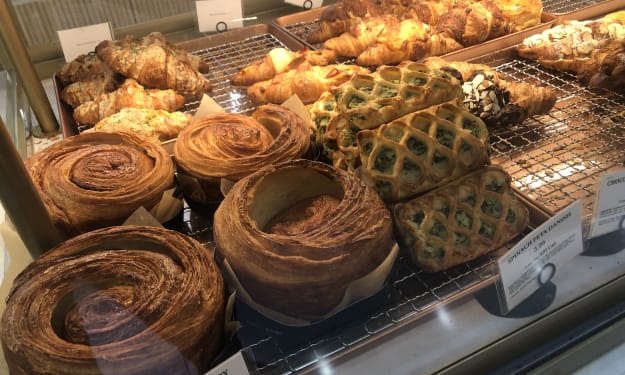
As someone who lives in a rural area, I don't get the chance to visit fancy restaurants or bakeries that often. So, when a friend told me about a French-Asian bakery that's less than an hour away, I knew I had to check it out and grab some pictures for social media. Tous les Jours ended up providing an immersive experience that went above and beyond my expectations--although I did leave with a few reservations.
By Kaitlin Shanks25 days ago in Feast
Vegan Food Market Trends & Summary (2025–2033)
Introduction The global shift toward healthier, more ethical, and environmentally responsible consumption has transformed vegan food from a niche lifestyle choice into a fast-growing mainstream market. According to Renub Research, the Vegan Food Market was valued at USD 20.06 billion in 2024 and is projected to reach USD 46.09 billion by 2033, expanding at a robust CAGR of 9.68% during 2025–2033. This impressive trajectory reflects not only changing consumer values but also rapid innovation across food technology, retail, and distribution.
By jaiklin Fanandish6 days ago in Feast



Comments
There are no comments for this story
Be the first to respond and start the conversation.