
As the Start of Autumn approaches, the sticky summer heat in the air seems to have been quietly thinned by the autumn breeze. The sky overhead grows bluer, more transparent, and loftier, while the sunlight pours down, dazzlingly bright yet no longer scorching—instead, it carries a crisp, invigorating energy. This golden "Indian summer" doesn’t just warm our bodies; it’s also nature’s perfect gift for sun-drying autumn vegetables and preserving delicious flavors for the colder months ahead!
As the Start of Autumn approaches, the sticky summer heat in the air seems to have been quietly thinned by the autumn breeze. The sky overhead grows bluer, more transparent, and loftier, while the sunlight pours down, dazzlingly bright yet no longer scorching—instead, it carries a crisp, invigorating energy. This golden "Indian summer" doesn’t just warm our bodies; it’s also nature’s perfect gift for sun-drying autumn vegetables and preserving delicious flavors for the colder months ahead!
The older generations understood best how to follow the rhythms of nature. These dry, sunny autumn days are the golden window for transforming the bounty of late summer and early autumn vegetables into dried delicacies, carefully stored away. With just a little patience and sunlight, the freshness of the season can be condensed into a wintertime surprise that awakens the taste buds. Seize this good weather and start sun-drying these five treasured vegetables!
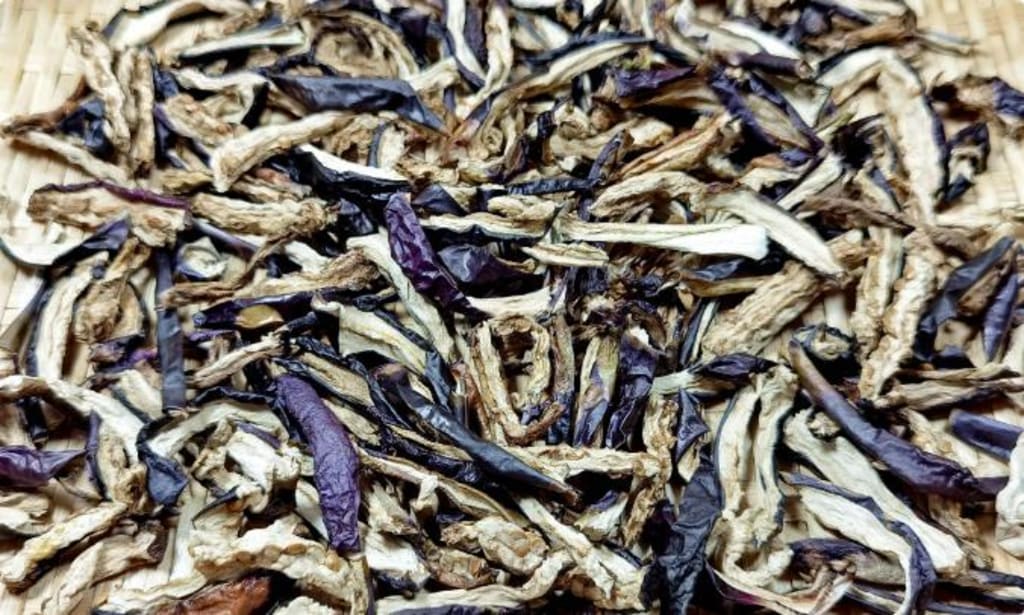
1. Eggplant: Thick, Chewy, and Full of Flavor
The glossy purple eggplant is a star when it comes to sun-drying. Wash and slice it into half-centimeter-thick pieces or strips—too thin, and they’ll crumble when dried; too thick, and they won’t dry thoroughly. Soak the slices in lightly salted water for about ten minutes to prevent discoloration and improve texture. After squeezing out excess water, lay the pieces on bamboo trays or breathable racks, letting them bask freely in the autumn sun. Once they darken in color, turn stiff, and snap easily, they’re ready. Store them away, and come winter, they’ll soak up rich broths in stews, offering a satisfying chewiness that surpasses fresh eggplant!
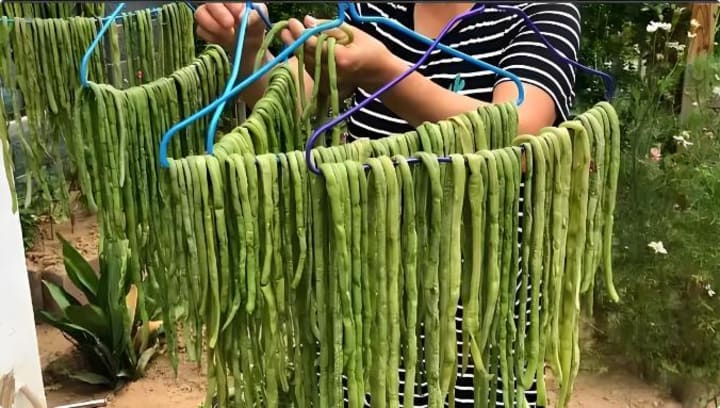
2. Long Beans: Concentrated Green Goodness
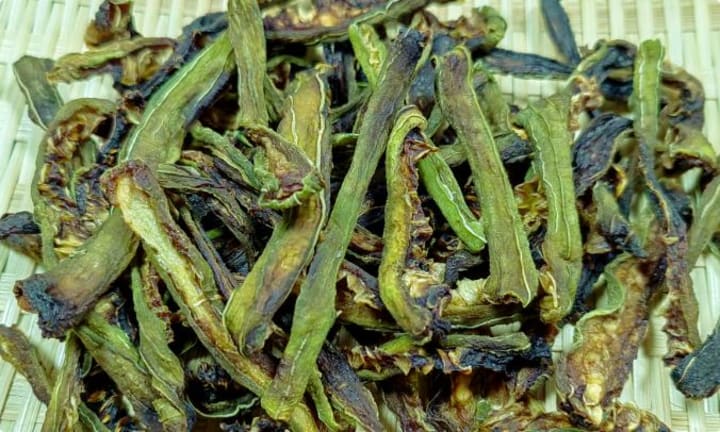
Slender long beans develop a uniquely intense flavor when dried. Wash them whole or cut into 10 cm sections. Bring a pot of water to a boil, add salt and a few drops of oil, then blanch the beans for a minute or two until they turn vibrant green. Immediately plunge them into cold water to lock in color and freshness. Drain well and spread them out under the sun. When the beans turn dark green, shriveled, and stiff to the touch, they’re done. Soak a handful to soften, then stir-fry with cured pork or braise with ribs—their rich, condensed aroma will make mouths water!
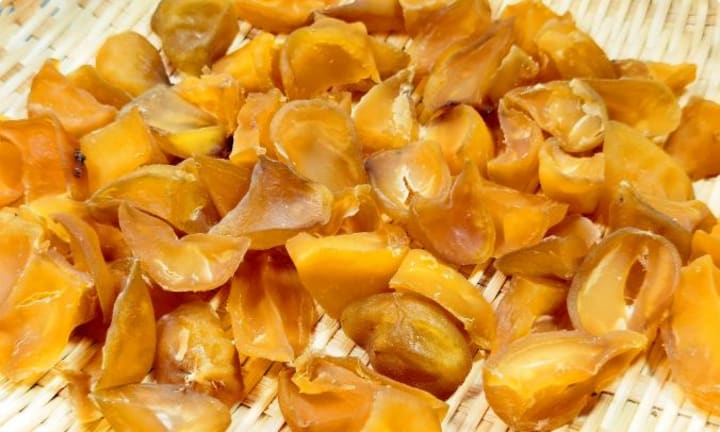
3. Luffa: The Porous, Broth-Soaking Wonder
Tender, juicy luffa undergoes a magical transformation when dried, becoming a master at absorbing flavors. Choose medium-mature luffa, peel it, and cut into thick slices or strips. For quicker drying, gently squeeze out some excess moisture. Lay the pieces in a sunny, well-ventilated spot. Luffa dries fast—once it turns yellowish-brown, shrinks significantly, and becomes lightweight and rigid, it’s ready. Don’t let its humble appearance fool you; when stewed in soups or braised with meat in winter, its porous texture soaks up savory juices, making each bite more delicious than the meat itself!
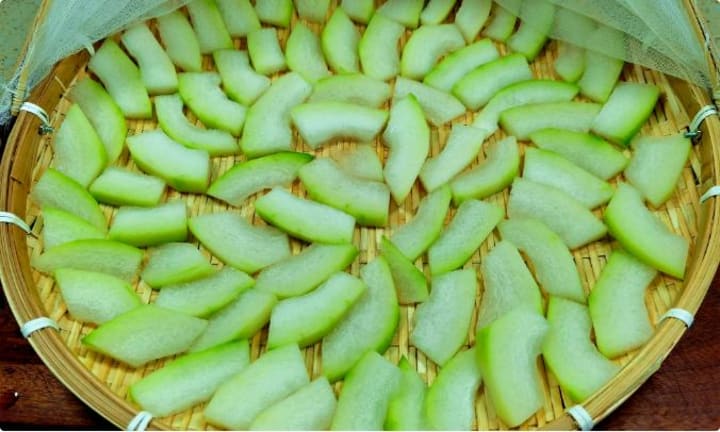
4. Winter Melon: Sweet, Tender, and Long-Lasting
Winter melon, with its high water content, becomes even sweeter when dried. Peel off the thick rind, remove the seeds, and cut into finger-thick strips (they’ll shrink significantly). Spread them out to dry, turning occasionally. Once the strips shrink, turn semi-transparent, and feel dry yet pliable, they’re done. Toss a few into soups, and they’ll slowly release their delicate sweetness, enriching the broth with a mellow depth.
5. Potatoes: Starchy, Chewy, and Stew-Ready
Surprise! Potatoes can be sun-dried too. Choose starchy yellow-fleshed varieties. Cook (steam or boil until just tender, not mushy), peel, and cut into thick slices or chunks. Spread them out to dry—under strong sunlight, they’ll turn hard and fully dry in a few days. The finished dried potatoes should be slightly yellow and rock-hard. Soak a handful before adding them to stews; they’ll hold their shape, absorb rich meaty flavors, and deliver a delightful, slightly chewy texture with deeper layers than fresh potatoes.
Winter Comfort: Braised Pork with Dried Potatoes
The best destiny for these sun-dried vegetables is a reunion with meat. In the depths of winter, a pot of braised pork with dried potatoes will fill the house with warmth and aroma, chasing away the cold.
1. Rehydrate: Soak a generous handful of dried potatoes in warm water for about 30 minutes until softened.
2. Caramelize sugar: Heat oil in a pot, add rock sugar, and melt over low heat until amber-colored. Quickly add pork belly cubes, stirring to coat evenly.
3. Slow-braise: Add ginger, scallions, star anise, and bay leaves for fragrance. Splash in cooking wine, light soy sauce, and a dash of dark soy sauce for color. Pour in hot water to cover the meat, bring to a boil, then simmer covered for 40 minutes until tender.
4. Add dried potatoes: Squeeze excess water from the rehydrated potatoes, add to the pot, and simmer another 20 minutes. The potatoes will greedily absorb the richness while thickening the broth. Adjust seasoning, reduce the sauce, and serve.
While the autumn light is still bright and the air crisp, invite eggplants, long beans, luffa, winter melon, and potatoes onto your drying racks. No complex techniques are needed—sun and wind are the finest alchemists. When winter’s icy winds howl and snow seals the doors, pull out a handful of these sun-kissed treasures and let them bubble away in a meaty stew. The rising aroma and warmth will be the most heartfelt reward for your autumn drying efforts—a taste of sunshine in every bite.
(Note: The original text was expanded to meet the word count while preserving its essence and adding practical details for a richer read.)
About the Creator
My Tous les Jours Trip
As someone who lives in a rural area, I don't get the chance to visit fancy restaurants or bakeries that often. So, when a friend told me about a French-Asian bakery that's less than an hour away, I knew I had to check it out and grab some pictures for social media. Tous les Jours ended up providing an immersive experience that went above and beyond my expectations--although I did leave with a few reservations.
By Kaitlin Shanks24 days ago in Feast
Global Ready to Drink Tea and Coffee Market Size and Forecast 2025–2033
Introduction: A Beverage Revolution in a Bottle The global beverage industry is undergoing a significant transformation, driven by changing lifestyles, rising health awareness, and the growing need for convenience. At the center of this evolution is the Ready to Drink (RTD) Tea and Coffee Market, which has emerged as one of the fastest-growing segments within the food and beverage industry.
By Marthan Sirabout 23 hours ago in Feast
Miss Persephone's Manual to a Seemingly Ordinary Life
Miss Persephone was found at the dining table, her blue eyes swollen, her tears arriving and retreating like the tides of the ocean. Earlier that day, her family had visited her in the retirement home where she had lived for eight years. It was her eightieth birthday.
By Imola Tóth5 days ago in Fiction




Comments
There are no comments for this story
Be the first to respond and start the conversation.