
As the Beginning of Autumn approaches, the sticky summer heat in the air seems to have been quietly thinned by the autumn breeze. The sky overhead grows bluer, more transparent, and loftier, while the sunlight pours down, dazzlingly bright yet no longer scorching—instead, it carries a crisp, invigorating energy. This golden "Indian summer" not only warms our bodies but also gifts us the perfect opportunity to sun-dry autumn vegetables and preserve delicious flavors for the colder months ahead!
As the Beginning of Autumn approaches, the sticky summer heat in the air seems to have been quietly thinned by the autumn breeze. The sky overhead grows bluer, more transparent, and loftier, while the sunlight pours down, dazzlingly bright yet no longer scorching—instead, it carries a crisp, invigorating energy. This golden "Indian summer" not only warms our bodies but also gifts us the perfect opportunity to sun-dry autumn vegetables and preserve delicious flavors for the colder months ahead!
The older generations understood best how to follow nature’s rhythms. These dry, sunny autumn days are the golden window for transforming the bounty of late summer and early autumn vegetables into dried delicacies, carefully stored away. With just a little patience and sunlight, the freshness of the season can be condensed into wintertime surprises that awaken the taste buds. Seize this good weather and start drying these five precious vegetables now!
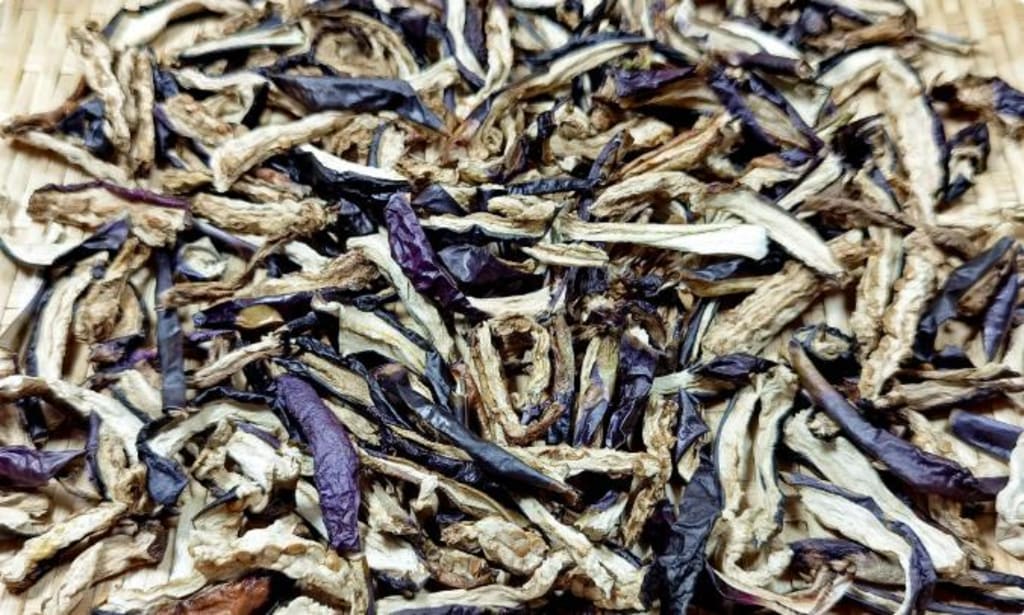
1. Eggplant: Thick, Chewy, and Full of Flavor
The glossy purple eggplant is a star when it comes to sun-drying. Wash and slice it into half-centimeter-thick pieces or strips—too thin, and they’ll crumble when dried; too thick, and they won’t dry thoroughly. Soak the slices in lightly salted water for about ten minutes to prevent discoloration and improve texture. After squeezing out excess water, lay the slices on bamboo trays or breathable mesh racks, letting them bask freely under the autumn sun. Once they darken in color and become dry and brittle enough to snap easily, they’re ready. Store them away, and come winter, they’ll soak up the rich broth in stews, offering a satisfying chewiness that surpasses fresh eggplant!
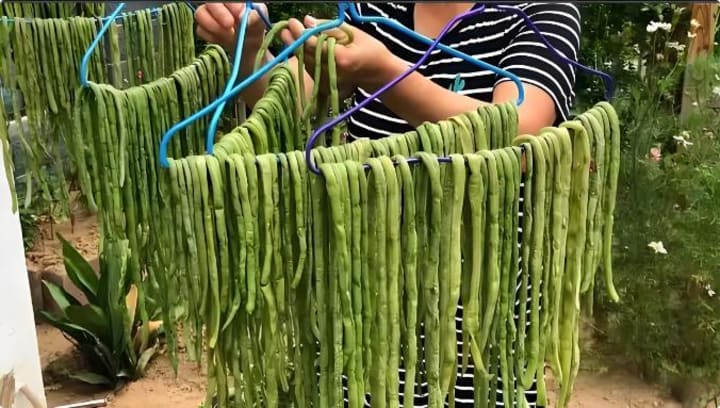
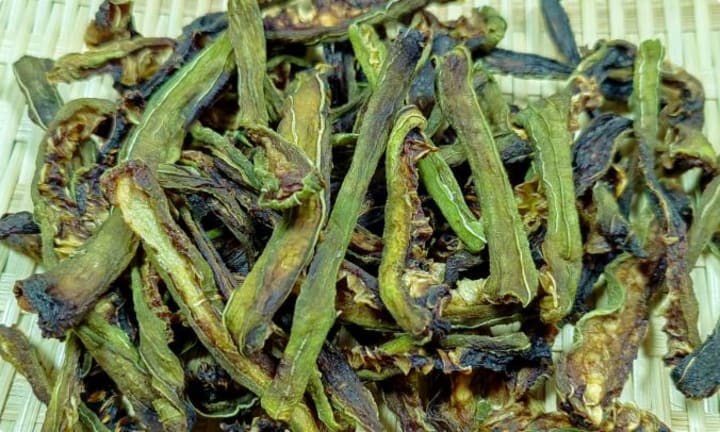
2. Long Beans: Concentrated Green Goodness
Slender long beans develop a uniquely intense flavor once dried. Wash them and leave them whole or cut them into ten-centimeter sections. Bring a pot of water to a boil, add salt and a few drops of oil, then blanch the beans for a minute or two until they turn bright green. Immediately plunge them into cold water to lock in their color and freshness. Drain well and spread them out under the sun. When the beans turn dark green, shriveled, and hard to the touch, they’re done. Soak a handful before stir-frying with cured pork or braising with ribs—their concentrated bean aroma will have everyone salivating!
3. Luffa: The Light, Porous Juice Sponge
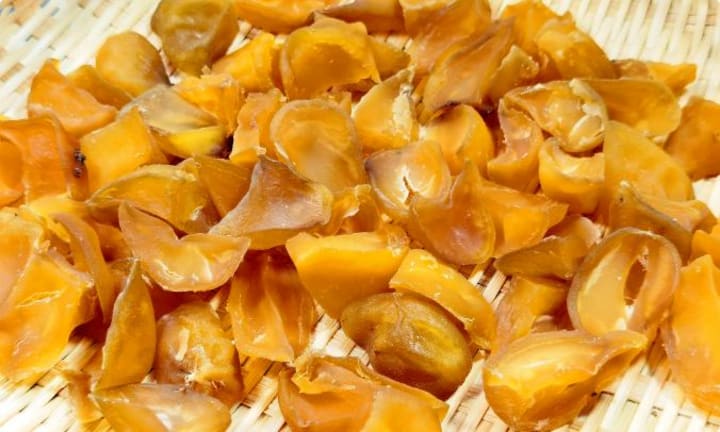
Fresh, tender luffa undergoes a stunning transformation when dried, becoming a master at absorbing flavors. Choose luffa that’s neither too young nor too old, peel it, and cut it into thick slices or strips. For quicker drying, gently squeeze out some of its moisture. Spread the pieces in a sunny, well-ventilated spot. Luffa dries quickly—once it turns yellowish-brown, shrinks significantly, and becomes lightweight and rigid, it’s ready. Don’t let its humble appearance fool you; when added to winter soups or braised meats, its porous structure soaks up savory juices, making each bite more delicious than the meat itself!
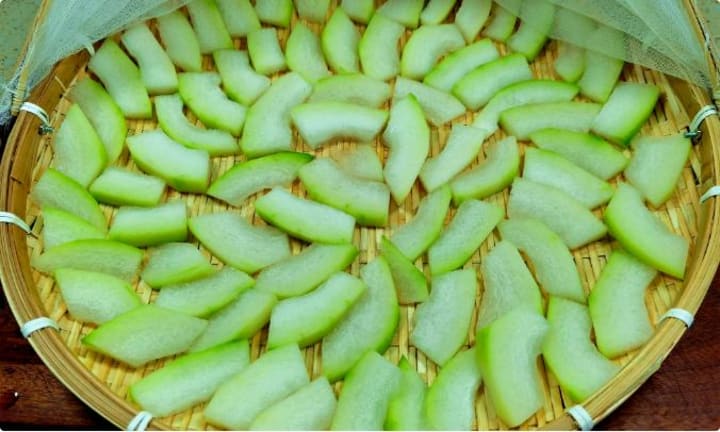
4. Winter Melon: Sweet, Tender, and Long-Lasting
Winter melon, with its high water content, becomes even sweeter when dried. Remove the thick rind and seeds, then cut the flesh into finger-sized strips (they’ll shrink significantly, so don’t slice them too thinly). Spread the strips out to dry, turning them occasionally. Once they’ve reduced to small, semi-transparent strips that are dry and pliable (not sticky), they’re done. Toss a few into soups, and they’ll slowly release their natural sweetness, enriching the broth with a mellow depth.
5. Potatoes: Starchy, Chewy, and Stew-Ready
Surprised? Potatoes can be sun-dried too! Opt for starchy yellow-fleshed varieties. Wash, steam, or boil them (don’t overcook), peel, and cut into thick slices or chunks. Spread them on drying racks—under strong sunlight, they’ll dry thoroughly in just a few days. The finished potato pieces should be slightly yellowed and hard. Soak a handful before adding them to stews; they’ll hold their shape while absorbing the rich meaty flavors, offering a delightful balance of starchiness and chewiness that outshines fresh potatoes!
Winter Comfort: Braised Pork with Dried Potatoes
The best destination for these sun-dried vegetables is a hearty meat dish. In the depths of winter, a pot of braised pork with dried potatoes will fill the house with warmth and aroma, chasing away the cold.
1. Rehydrate: Soak a handful of dried potatoes in warm water for about half an hour until they soften and plump up.
2. Caramelize Sugar: Heat oil in a wok, add rock sugar, and melt it over low heat until it turns amber and bubbly (fragrant). Quickly add cubed pork belly, stir-frying to coat each piece in the glossy caramel.
3. Slow Braise: Add ginger, scallions, star anise, and bay leaves for aroma, then splash in cooking wine, light soy sauce, and a dash of dark soy sauce for color. Pour in hot water to cover the meat, bring to a boil, then simmer covered for 40 minutes until tender.
4. Add Potatoes: Squeeze excess water from the rehydrated potatoes, add to the pot, and simmer another 20 minutes. The potatoes will absorb excess grease while turning plump and soft, and the broth will thicken beautifully. Adjust seasoning, reduce the sauce, and serve.
While the autumn sunlight is still bright and the air crisp, invite eggplants, long beans, luffa, winter melon, and potatoes onto your drying racks. No complex techniques are needed—sun and wind are the best alchemists. When winter’s icy winds howl and snow seals the doors, pull out a handful of these sun-kissed treasures and toss them into a bubbling pot of meat. The rising aroma and warmth will be the most heartfelt reward for your autumn labor.
About the Creator
My Tous les Jours Trip
As someone who lives in a rural area, I don't get the chance to visit fancy restaurants or bakeries that often. So, when a friend told me about a French-Asian bakery that's less than an hour away, I knew I had to check it out and grab some pictures for social media. Tous les Jours ended up providing an immersive experience that went above and beyond my expectations--although I did leave with a few reservations.
By Kaitlin Shanks24 days ago in Feast
Vegan Food Market Trends & Summary (2025–2033)
Introduction The global shift toward healthier, more ethical, and environmentally responsible consumption has transformed vegan food from a niche lifestyle choice into a fast-growing mainstream market. According to Renub Research, the Vegan Food Market was valued at USD 20.06 billion in 2024 and is projected to reach USD 46.09 billion by 2033, expanding at a robust CAGR of 9.68% during 2025–2033. This impressive trajectory reflects not only changing consumer values but also rapid innovation across food technology, retail, and distribution.
By jaiklin Fanandish6 days ago in Feast




Comments
There are no comments for this story
Be the first to respond and start the conversation.